Valves, sized to the chemistry — not the catalog page
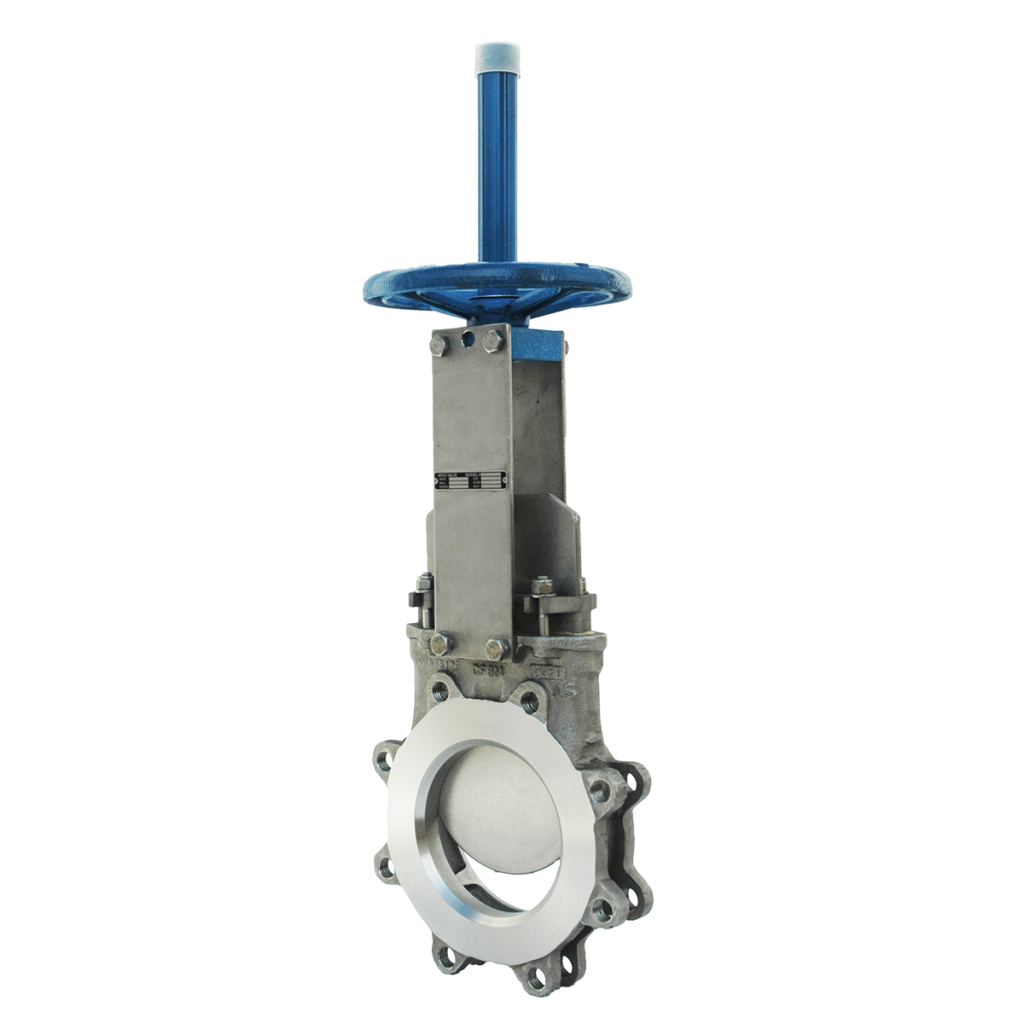
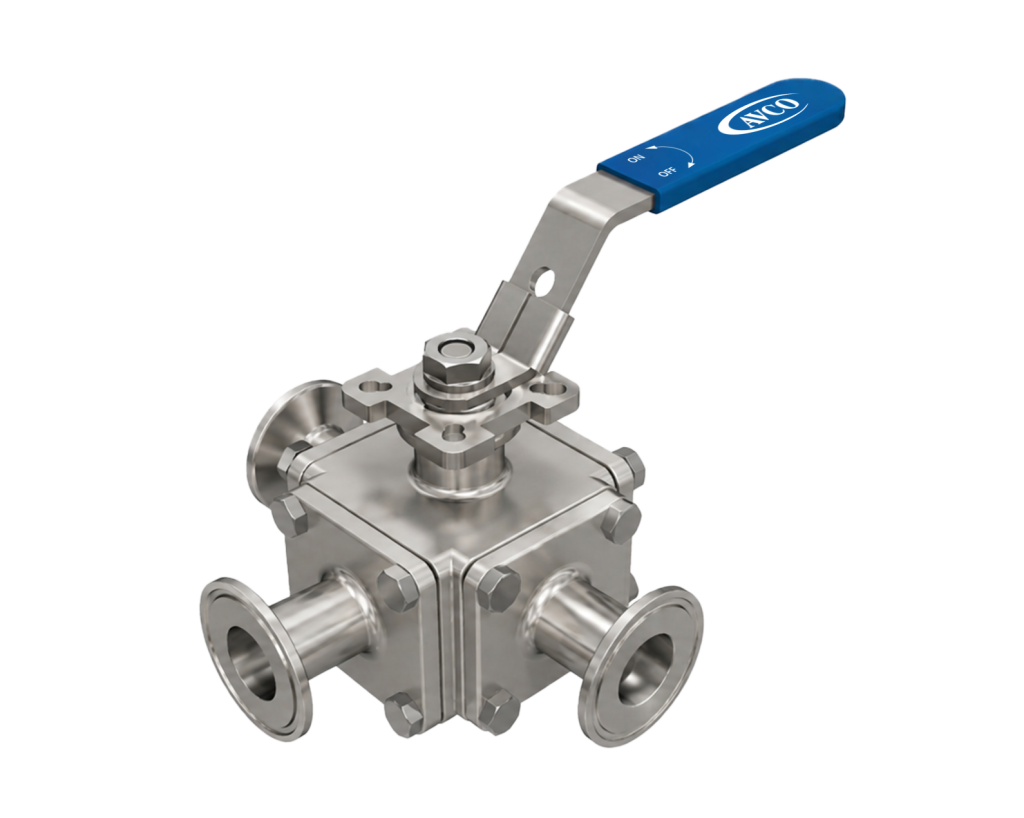
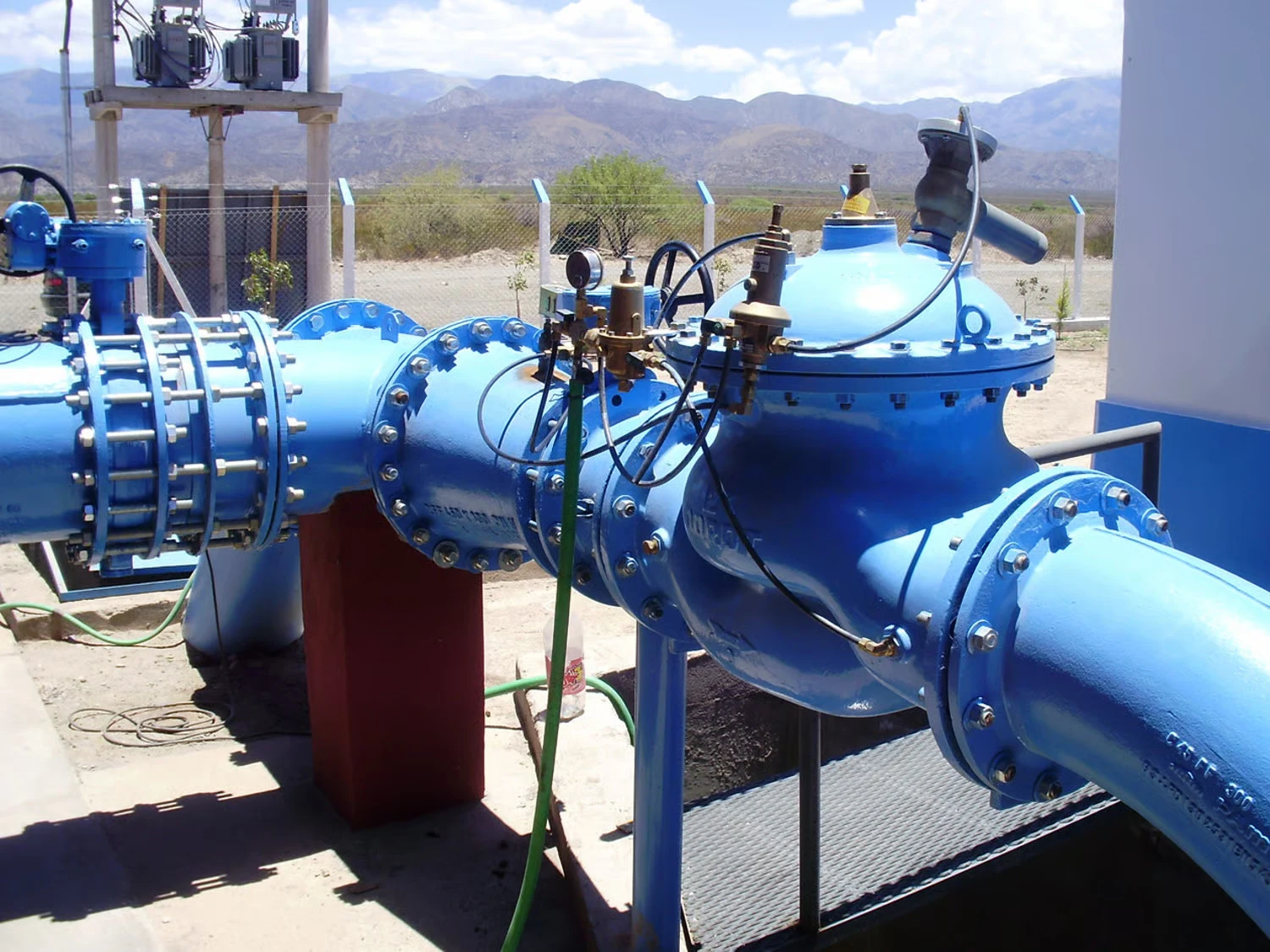
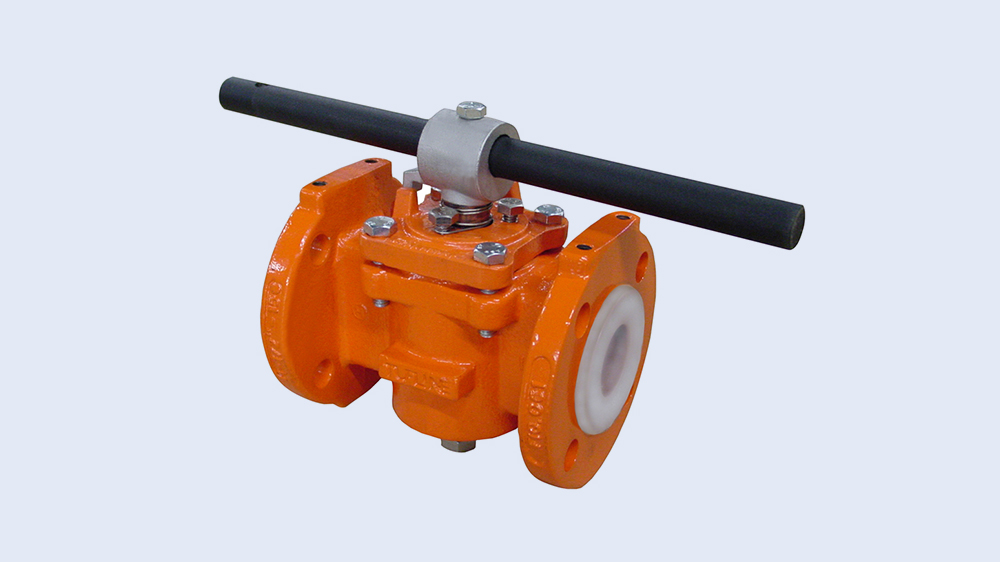
Ball, butterfly, plug, diaphragm, gate, knife gate, and lined valve architectures, selected against your fluid's real concentration, temperature, and duty cycle.
Valve & flow-control architectures

NEMA 7/ATEX-rated variants for hazardous-location oilfield service
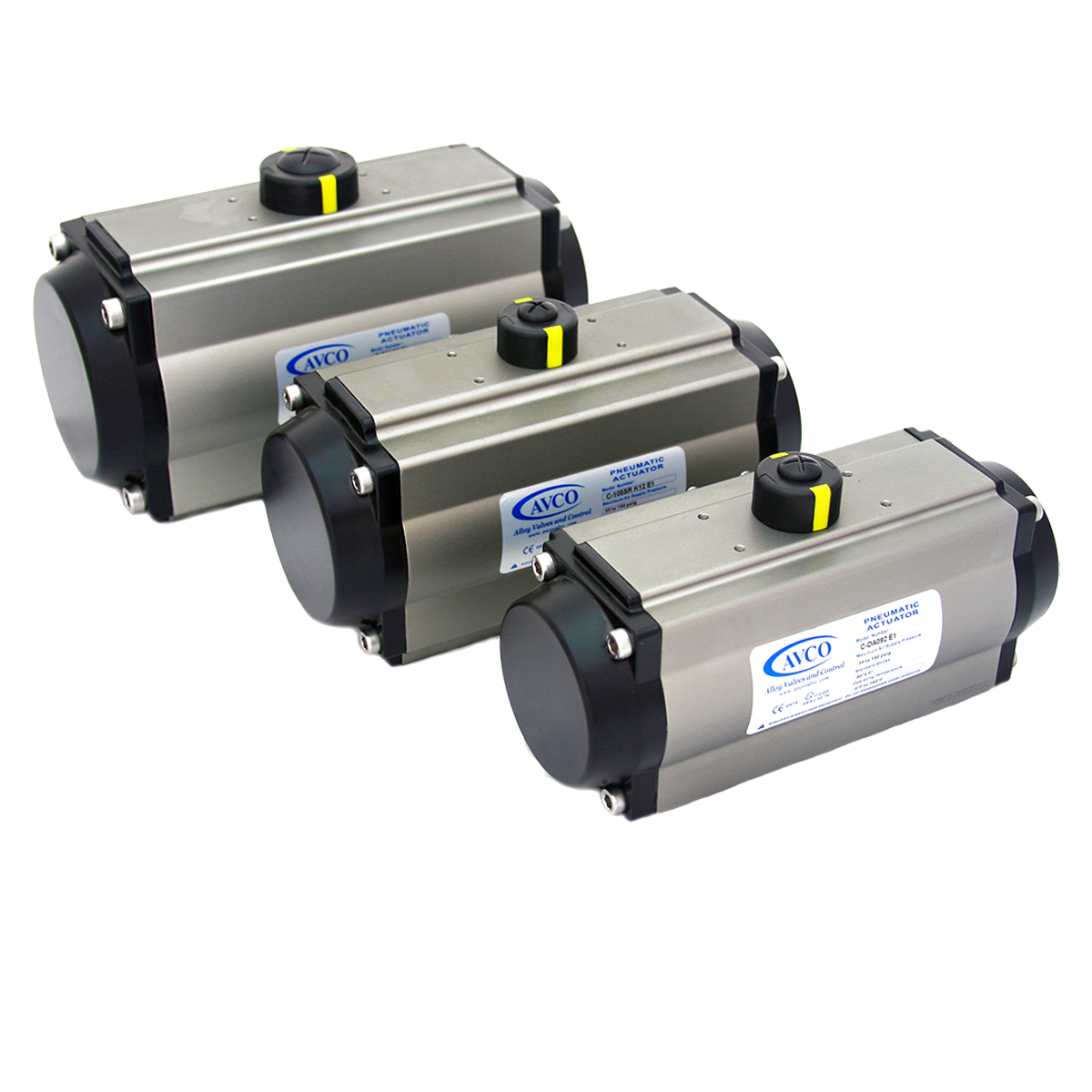


ISO 5211 direct-mount pads — compact, high-density installs


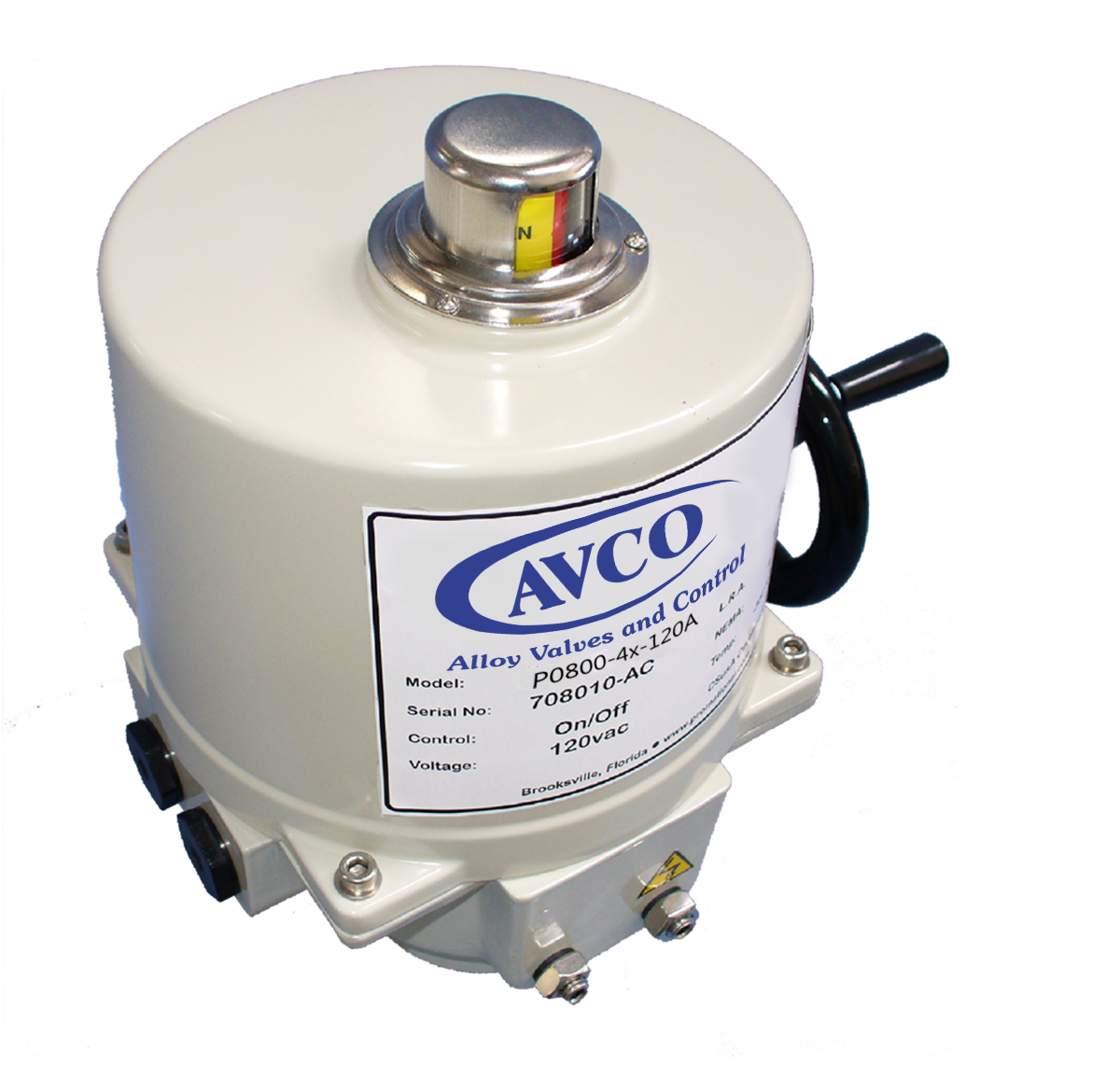
75% duty cycle rated for continuous adsorb/desorb cycling


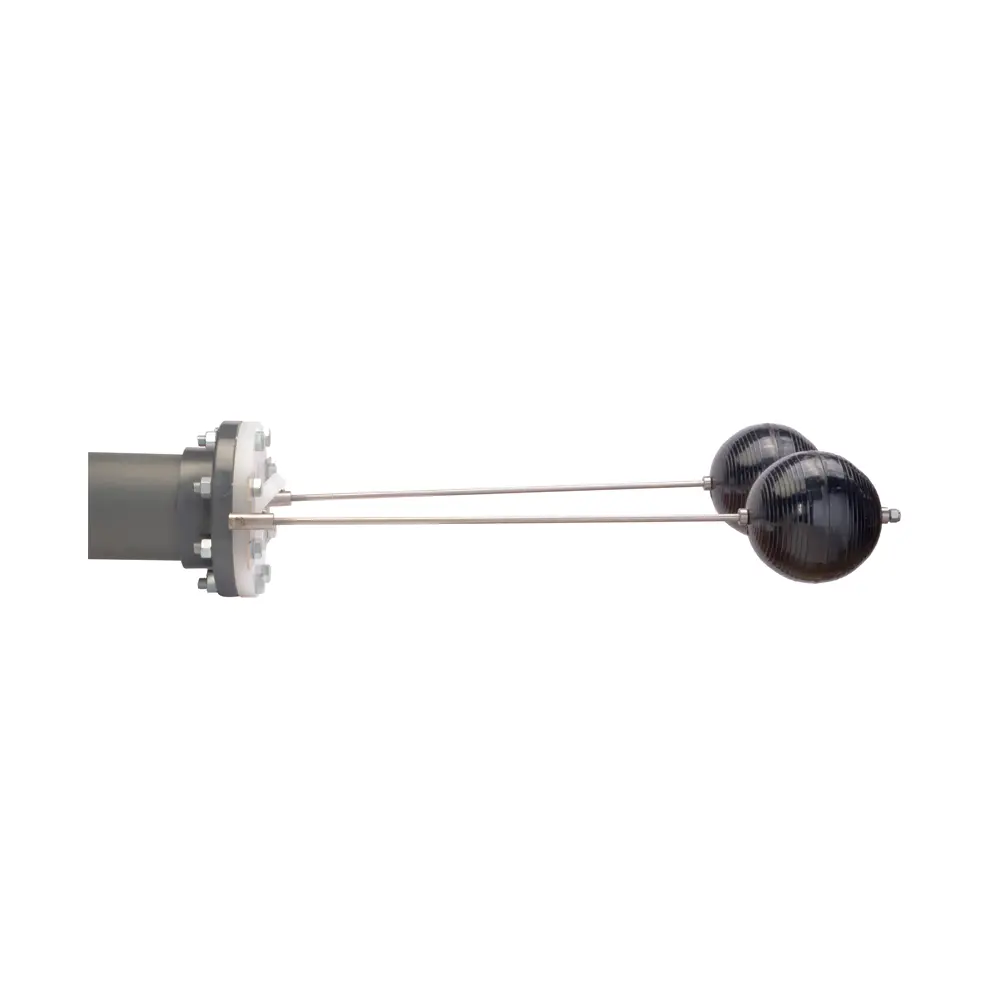
Modulates 20-80% open by float position, 3"-24" line sizes



Where LibertyCES specs Flow Control equipment
Frequently Asked Questions
Why do some ball valves have a drilled vent hole for sodium hypochlorite service?
Hayward's TBH-Z Series and Asahi/America's ball valves both use a factory-drilled vent hole in the ball for this exact reason: it keeps sodium hypochlorite in the valve cavity in contact with fluid in the upstream piping, preventing off-gassing and crystallization that can occur inside a standard (non-vented) ball valve. A standard ball valve in high-concentration NaOCl service is a real, documented failure risk — not a theoretical one.
What valve material actually holds up to sodium hypochlorite?
Real chemical-resistance data (81-chemical, 12-material chart) shows PVC and CPVC rated resistant to 12.5% active-chlorine NaOCl through 104°F, with PTFE holding through 140°F. EPDM is the weakest common elastomer choice for this chemical — conditional at room temperature and failing outright by 104°F — so an EPDM-sealed valve is a real risk point even when the valve body material is correct.
What's the difference between a standard ball valve and a proportional control ball valve?
A standard ball valve (e.g. Hayward TBH) uses a full-port ball for simple on/off shutoff. A proportional control valve (e.g. Hayward CVH, with its Profile2 Characterized Ball) uses a purpose-built ball-profile geometry designed for throttling and modulating flow, not just stopping/starting it — a different mechanical design for a different job, not just a different size.
Does LibertyCES sell valves by catalog part number?
No — valve material and seal selection depends on the exact chemical, concentration, and temperature, which is why a valve that "should" work on paper can still fail in service (see the EPDM/NaOCl example above). LibertyCES runs a spec review against the real process data before recommending a valve, not a part-number lookup.
Send LibertyCES the process data, not a part number
Fluid, chemistry, concentration, temperature, flow, pressure, line size, and current equipment — that's what a real spec review needs to start.
Ready to buy or need a fast answer? Call, text, or email James directly — (559) 395-5500 · [email protected].