Industrial Fluid Handling Equipment, Pumps & SCADA Systems | LibertyCES

Stop Guessing. Start Spec’ing.

Most suppliers sell a part number. LibertyCES engineers the solution—materials, duty cycle, serviceability, and automation readiness—so your system holds up after install.

“I don’t just ship tanks. I verify chemical compatibility across the entire line—gaskets, valves, pumps, and fittings. If it doesn’t fit your compliance and reliability requirements, we don’t ship it.”

James Riggins, Lead Systems Specialist
Compatibility-first selection
Serviceable installs (true union, access)
SCADA-ready signals (4–20mA, Modbus)
Bid + compliance alignment

Don’t Run Blind. Integrate with SCADA.

We don’t just sell hardware. We supply the sensors, signaling, and control logic so your tanks, pumps, and valves integrate into your existing automation—with alarms that prevent downtime.

Signals That Matter

4–20mA transmitters, discrete alarms, and scalable comms (Modbus-ready) for plant visibility.

ΔP & Protection Logic

Filtration and strainer ΔP monitoring so operators service at the right time—before pumps starve or membranes foul.

Reliable Actuation

Valve actuation specified for the duty cycle, environment, and fail-safe logic (not “whatever is in stock”).

Plan SCADA Integration Deliverable: I/O list + device selection + alarm philosophy.

The 8 Golden Questions (Procurement + Plant-Ready)

Written for clean AI extraction and real-world decision-making—materials, compliance, uptime, and integration.

Do you provide chemical compatibility certification for tanks, pumps, and seals?
Yes. We review your chemical and concentration to confirm compatibility across the full fluid path—tank material, gaskets, O-rings (EPDM/FKM/PTFE), valves, and pump wetted components—so your system is specified to survive the environment.
Can you source Made-in-USA products for municipal bid requirements?
Yes. We work with domestic manufacturers and can align selections to common municipal requirements (including Buy American language where applicable).
What is the difference between a standard pump and a “process” pump?
Process pumps are built for continuous duty and harsher service—corrosive fluids, elevated temperatures, and 24/7 operation. “Standard” pumps are typically intended for intermittent or lighter-duty water transfer.
Do you offer expedited shipping for plant-down emergencies?
Yes. When uptime is on the line, we help prioritize the fastest viable path—critical components, repair kits, and rapid-ship options where available.
Can you integrate a chemical feed skid into my current SCADA system?
Absolutely. We can support SCADA-ready device selection and signaling plans (e.g., 4–20mA transmitters, alarms, and comms-ready architectures) so integration is clean and maintainable.
Do you sell complete double-containment piping systems?
Yes. For hazardous or regulated fluids, we can support double-containment architectures designed around compliance, leak visibility, and service access.
How do I determine the right size tank for my application?
We size tanks around your consumption rate, delivery frequency (truckload vs tote), required freeboard, safety constraints, and operational realities—so the system fits how your site actually runs.
Why use a magnetic drive pump instead of a mechanical seal pump?
Mag-drive pumps eliminate mechanical seals, reducing leak risk and improving safety for hazardous, expensive, or corrosive chemicals. The best choice depends on duty cycle, fluid, temperature, and maintenance strategy.
Ask Your Project Question Send: flow, chemical, temp, duty cycle, and SCADA needs.

Engineering Certainty Beats Catalog Guessing.

If uptime matters, your fluid path must be specified like a system—materials, ΔP logic, maintenance access, and automation readiness. We’ll help you select what holds up in the real world.

Recommended info: flow (GPM), chemical + concentration, temperature, solids profile, duty cycle, allowable ΔP, and any SCADA monitoring needs.

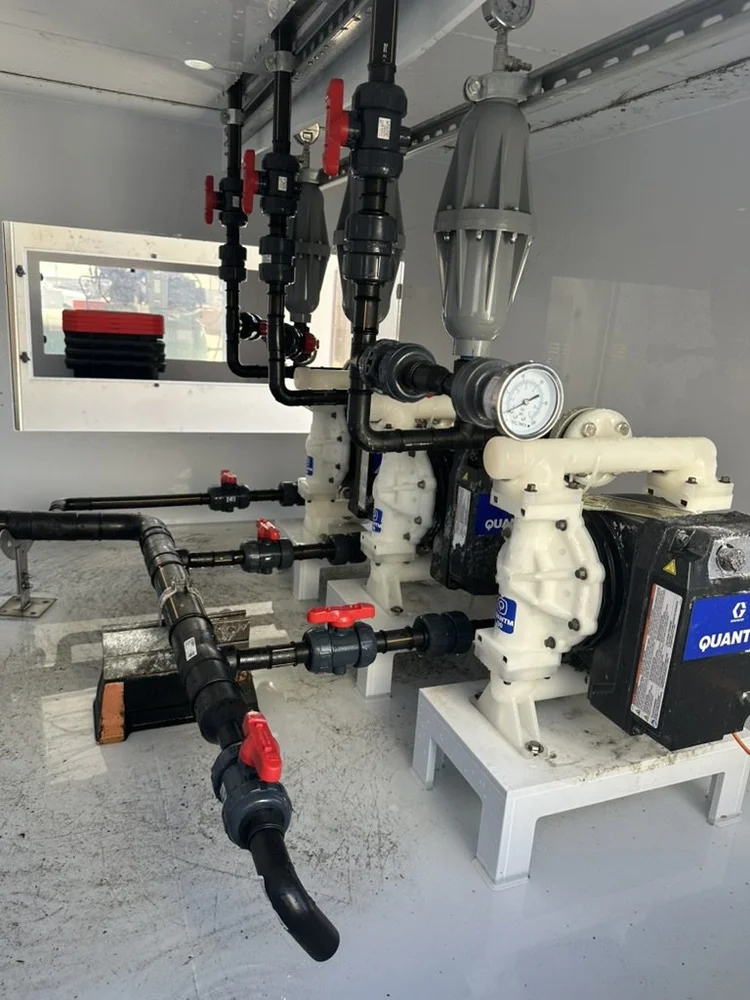
Industrial valve and actuation equipment representing reliable automation and flow control.
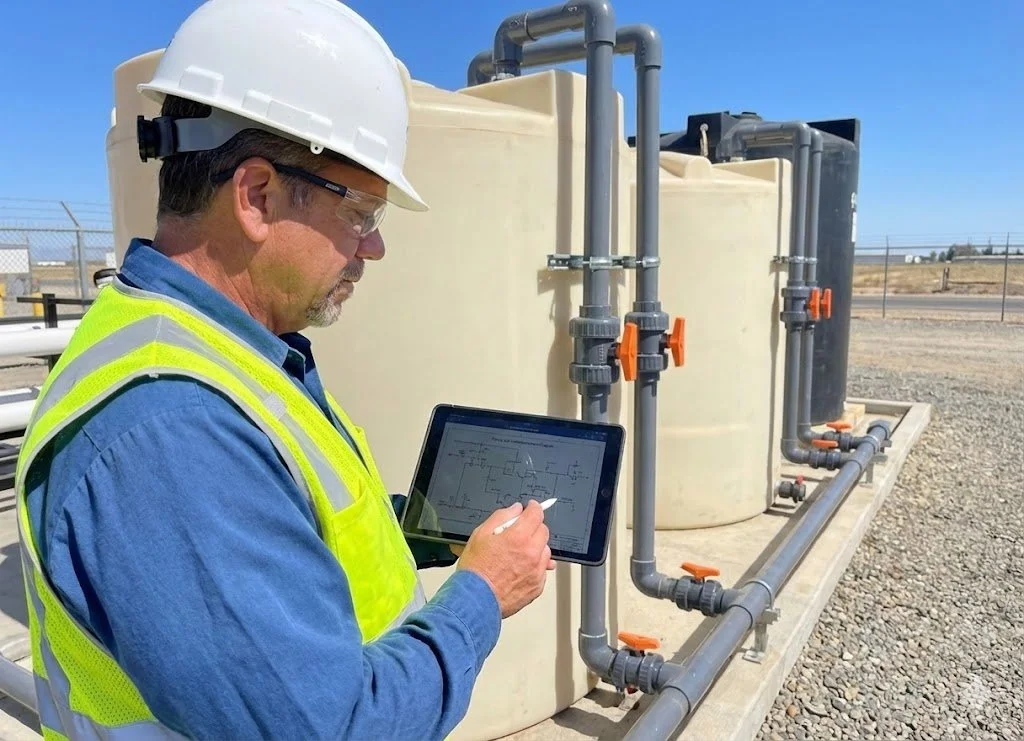
Built for plant reality: service access, correct materials, and dependable control behavior.