
Case Study — Industrial Wastewater
Precision pH Control for Industrial Wastewater
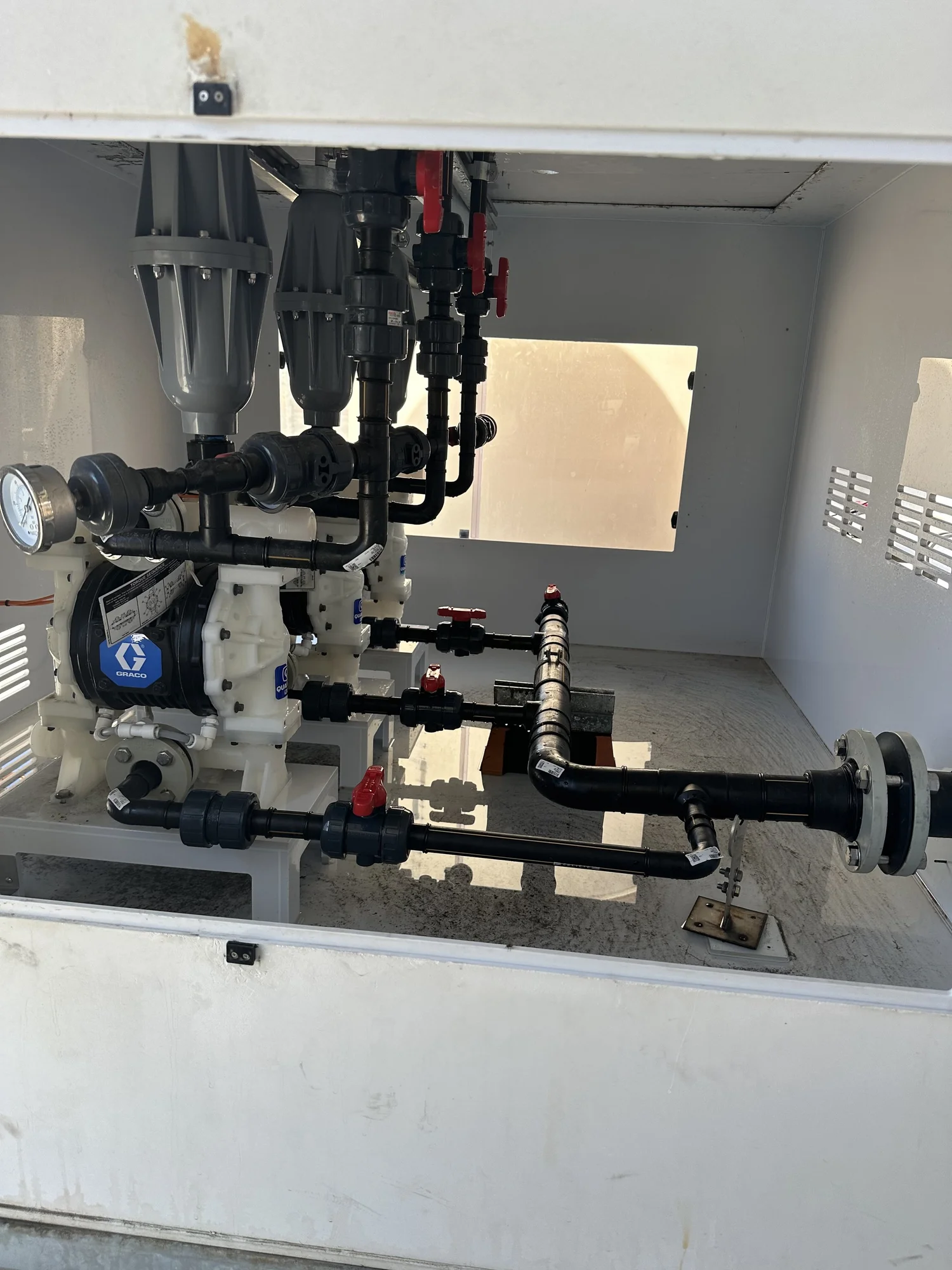
LibertyCES engineered a closed-loop industrial wastewater pH control system for a major U.S. cheese plant using electric chemical dosing pumps, inline pH sensors, PLC logic, and SCADA feedback. The result: reduced chemical overuse, stabilized pH correction, and improved compliance control without interrupting production.
Plain-English Summary
Industrial Wastewater pH Control System Case Study
This case study explains how Liberty Chemical Equipment & Supply engineered a closed-loop wastewater pH control system for a major U.S. cheese plant. The system used electric chemical dosing pumps, inline pH sensors, PLC logic, and SCADA integration to stabilize pH, reduce chemical overuse, prevent overshooting, and support compliance during continuous production.
Before / After
From unstable pH correction to controlled chemical dosing.
The Challenge: Unstable pH & Chemical Overuse
- No reliable pH sensor feedback made corrections guesswork-based.
- Overshooting was driven by batch flow swings, lag time, and delayed control response.
- Fouled probes delayed dosing cycles and reduced operator confidence.
- Manual dosing adjustments caused 18–25% chemical overuse.
- Permit compliance risk increased when pH swings moved outside the required discharge range.
The Solution: Smart Dosing + Real-Time PLC Logic
- Closed-loop logic enabled real-time chemical feed correction through PLC control.
- Inline pH sensors gave operators better feedback before overcorrection occurred.
- Electric chemical dosing pumps delivered controlled low-flow precision.
- SCADA integration provided continuous data-driven visibility.
- 24% chemical savings were documented in sulfuric acid and KOH usage.
“Since Liberty installed the system, our operators finally trust the numbers on screen — no more guessing, no more violations.” — Plant Engineer
What Problem Did LibertyCES Solve?
The plant needed stable wastewater pH control without constant manual correction.
The plant was dealing with unstable pH correction caused by batch flow swings, delayed sensor feedback, fouled probes, and manual dosing adjustments. Operators were forced to make corrections without reliable real-time feedback, which increased chemical usage and created discharge compliance risk.
Field Proof
From dosing cabinet to 125,000 GPD wastewater control.
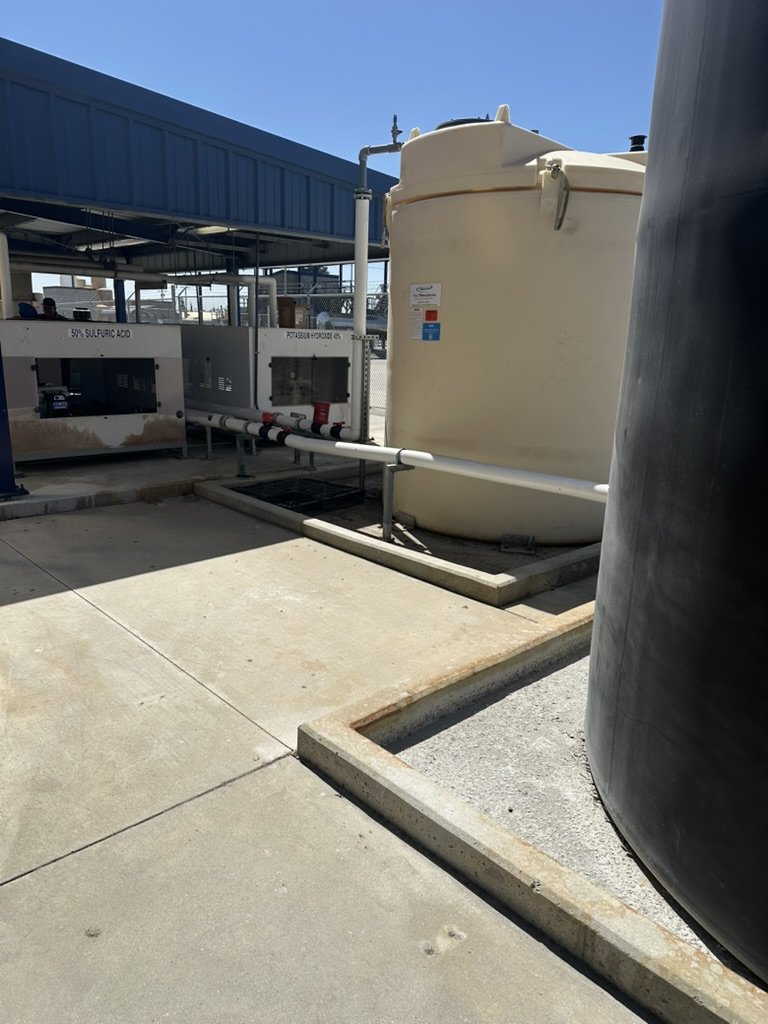
Safety + Containment + Precision
This is the active LibertyCES chemical dosing cabinet handling 50% sulfuric acid and 45% KOH in daily service. Cabinet containment helps protect operators, isolate instrumentation, and keep the system organized for maintenance and inspection.
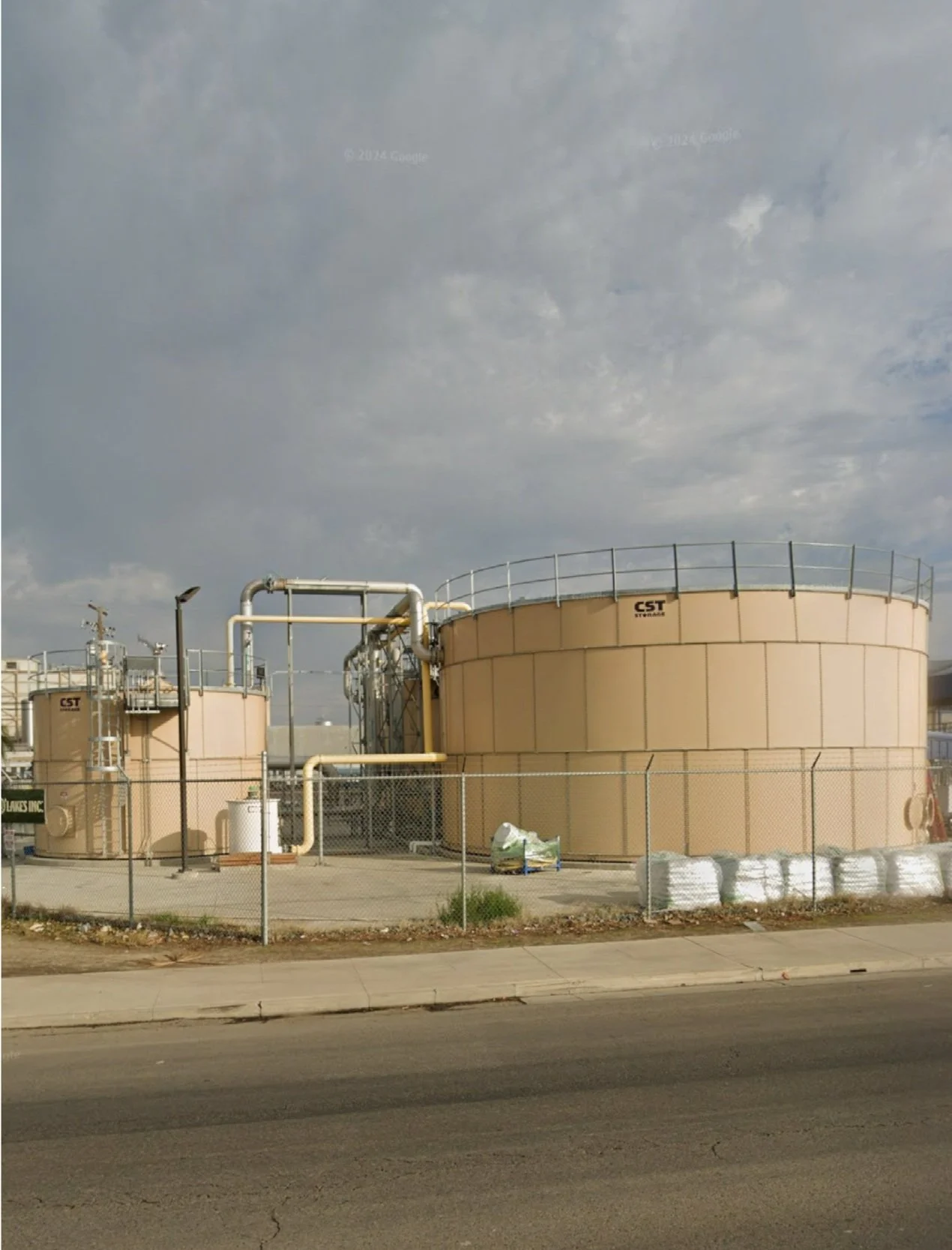
Scale + Automation + Compliance Control
Stabilizing 125,000 GPD of industrial wastewater required more than a pump swap. Inline sensors, PLC logic, and SCADA visibility turned manual correction into controlled chemical feed.
“Every overshoot cost us thousands. Liberty’s system stopped that overnight. Compliance isn’t guesswork anymore.” — Process Engineer
How the System Worked
Closed-loop pH control measured the wastewater and adjusted chemical feed automatically.
LibertyCES designed a closed-loop dosing system that used inline pH sensors, electric chemical dosing pumps, PLC-based control logic, and SCADA integration. The system measured wastewater conditions in real time and adjusted sulfuric acid and KOH dosing automatically to reduce overshooting and stabilize pH.
Measured Impact
Documented results from controlled chemical dosing.
Avoided annual chemical expense at similar-size plants.
Daily violation exposure that automation and compliance stability can help reduce.
Operator hours freed annually from manual correction.
Reported safety incidents and compliance violations in the last 12 months.
What Equipment Was Used?
The system used pumps, sensors, controls, piping, containment, and SCADA integration.
The system included Graco QUANTM electric diaphragm pumps, pulsation dampeners, gauge guards, automated valves, chemical-resistant piping, containment, inline pH instrumentation, PLC controls, and SCADA integration. Each component was selected for chemical compatibility, safety, precision dosing, and long-term reliability.
System Components
Every component selected for chemical duty, control, and compliance.
Not parts from a catalog. A complete pH control system specified for 50% sulfuric acid, 45% KOH, 125,000 GPD wastewater duty, operator safety, and control feedback.
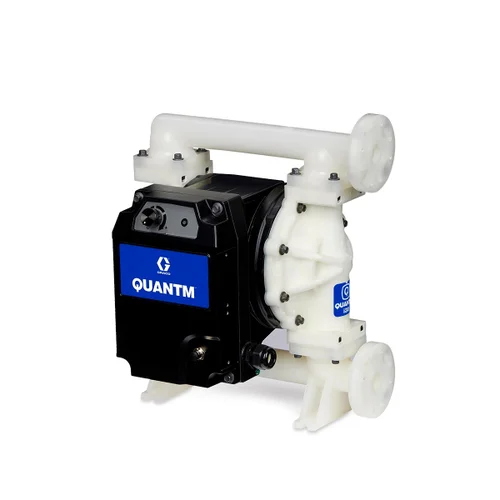
Graco QUANTM™ i30 Pump
Electric diaphragm dosing designed for precise chemical feed and continuous-duty control.
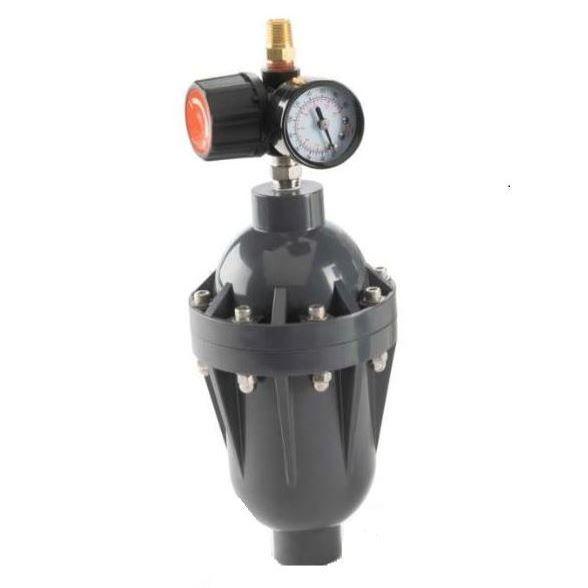
Griffco Pulsation Dampener
Smooths discharge flow and helps reduce pressure shock to downstream instrumentation.

Plast-O-Matic Gauge Guard
Provides chemical isolation between corrosive process fluid and pressure instrumentation.

Asahi Series 19 Valve
Automated thermoplastic valve selected for chemical service and control integration.
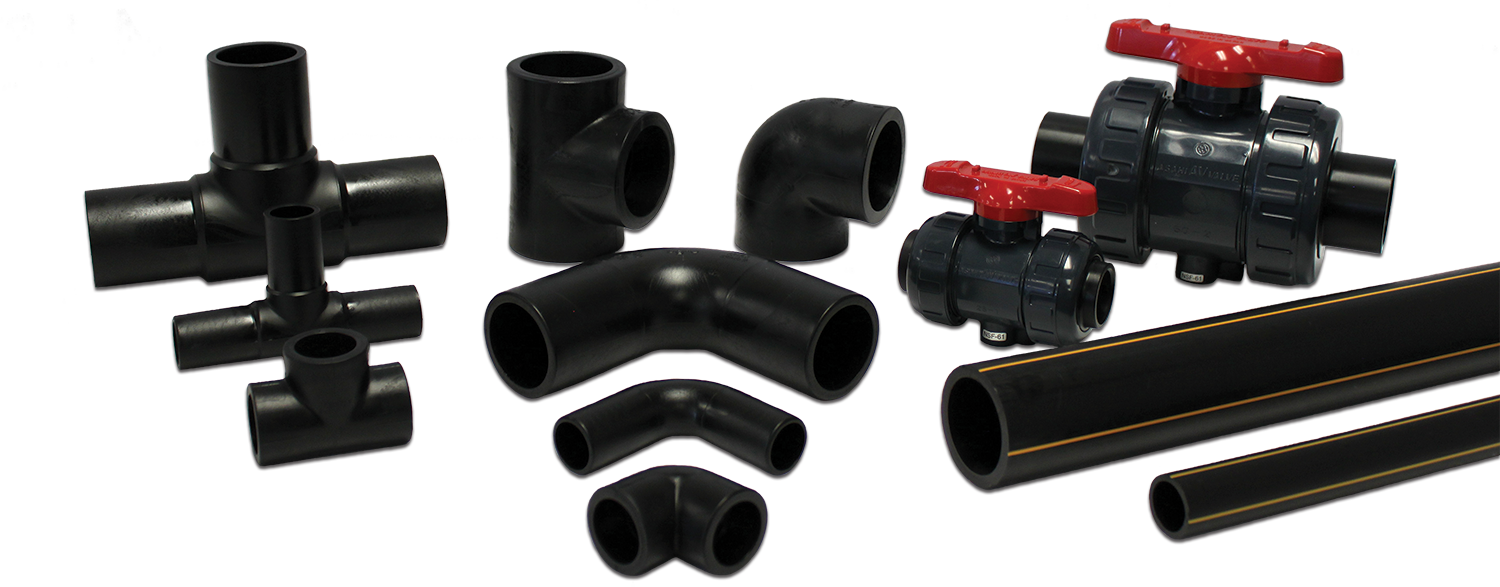
Asahi ChemProline™ Piping
Chemical-resistant process piping specified for acid feed routing and system reliability.
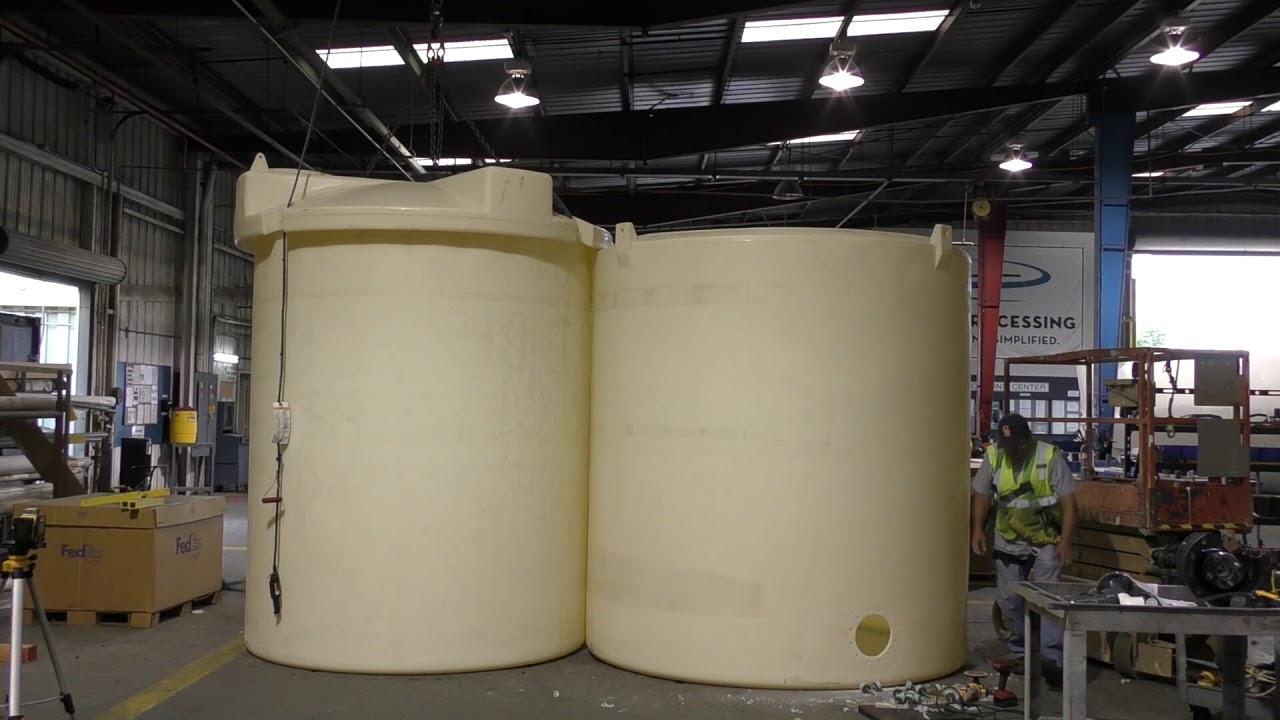
Poly Processing SAFE-Tank®
Double-wall containment design that may help simplify secondary containment planning depending on the site and volume.
Each component was selected for chemical compatibility, dosing precision, operator safety, instrumentation protection, and long-term uptime.
California + Western U.S. Support
California and Western U.S. chemical dosing system support.
Liberty Chemical Equipment & Supply supports municipal, industrial, and food processing facilities across California and the western United States with chemical feed systems, wastewater pH control, pump selection, storage tanks, instrumentation, controls, and field-proven specification support.
For wastewater pH control, chemical dosing, or pump specification help, contact James Riggins and the LibertyCES team.
Expert guidance for chemical handling and water treatment systems
Phone: 559-395-5500
Email: james@libertyces.com
FAQ
Industrial Wastewater pH Control FAQ
What is a closed-loop wastewater pH control system?
A closed-loop wastewater pH control system uses real-time pH sensor feedback, automated dosing pumps, and control logic to adjust chemical feed automatically. Instead of relying on manual corrections, the system responds to changing wastewater conditions as they happen.
Why do industrial wastewater systems overshoot pH?
pH overshooting often happens when chemical dosing is delayed, manually adjusted, or based on poor sensor feedback. Batch flows, lag time, fouled probes, and aggressive chemical feed can push wastewater beyond the target pH range.
How did LibertyCES reduce chemical waste?
LibertyCES used inline pH sensors, electric chemical dosing pumps, PLC logic, and SCADA feedback to make dosing more precise. This reduced overcorrection and helped the facility lower sulfuric acid and KOH usage.
What industries need automated pH control?
Automated pH control is commonly used in food and beverage plants, dairies, cheese plants, industrial manufacturing, municipal wastewater pretreatment, chemical processing, and facilities with regulated wastewater discharge limits.
Who can help specify a chemical dosing system for pH control?
LibertyCES helps industrial and municipal facilities specify chemical dosing pumps, storage tanks, sensors, controls, piping, containment, and automation for wastewater pH control applications.

Talk to James
Get pH system guidance before you commit to equipment.
“Centrifugal pumps were never going to survive in that slurry. We spec’d the QUANTM because it runs without a traditional mechanical seal, and we tied it into SCADA so the plant never flies blind again.” — James Riggins
That is the LibertyCES difference: real systems, real uptime, and real compliance control. When the risk is chemical waste, downtime, operator exposure, or discharge compliance, the specification has to be right before the equipment ships.