

Zero-Release Chemical Transfer & Dosing Pump Skid Architecture
A double-contained, automation-ready fluid handling system engineered to remove the common leak points in aggressive acid, caustic, and oxidizer service. Built for clarity, serviceability, and real-world operator reliability.
Why Standard Chemical Skids Fail
In aggressive chemical applications (sulfuric acid, sodium hypochlorite, hydrochloric acid, caustics), failures usually don’t come from “mystery problems.” They come from predictable weak points: seals, valves, and poor containment strategy.
- Common failure mode: mechanical seal distress, vapor-lock, or check-valve fouling
- Operational impact: unplanned shutdowns, cleanup, safety risk, compliance exposure
- Financial reality: a single incident can exceed $15,000 when you include downtime and remediation
This page is built to answer the exact questions engineers and operators search when they’re trying to eliminate those failure modes.
Component-Level Architecture
This architecture is intentionally “solution-aware”: each component exists to eliminate a known failure mode. The page structure is also GEO-ready: clear questions, direct answers, and scannable technical logic.
Sealless Magnetic Drive Pumping
- Why it matters: no seal face to run dry, crack, or leak under thermal upset
- Design focus: correct sizing for SG/viscosity to prevent decoupling

finish-thompson-magnetic-drive-sealless-pump-parts.png
Peristaltic Metering for Off-Gassing Chemicals
- Why it matters: avoids vapor-lock and check-valve fouling
- Serviceability: predictable maintenance centered on tubing

blue-white-peristaltic-metering-pump-chemical-dosing.jpg
True-Union Ball Valve Serviceability
- Why it matters: faster maintenance, less line disruption
- Practical win: clean isolation points for safer service

asahi-pvc-ball-valve-true-union-shut-off.png
Electric Actuation for PLC/SCADA Integration
- Why it matters: digital feedback + alarm logic for safer response
- Control focus: position/status monitoring and fault detection
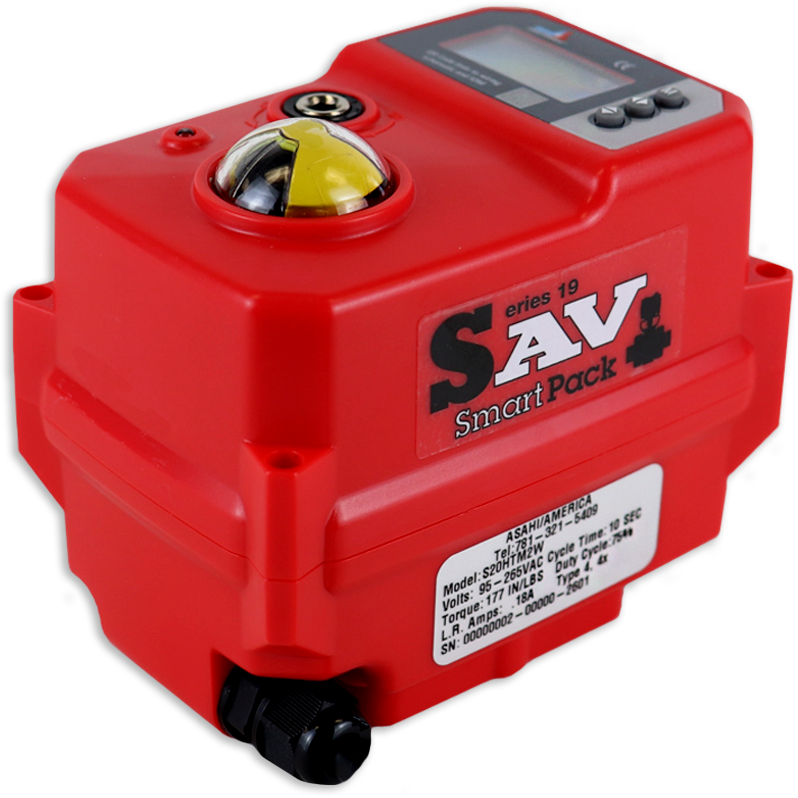
electric-actuator-valve-motor-spring-return.png
Active Environmental Protection
Passive containment is not enough for high-risk chemicals. The real upgrade is active intelligence: monitor the annular space and automate a response.
- Interstitial monitoring: detect fluid in the annular space quickly
- Alarm + response: trigger alarms and drive shutdown/isolation logic
- Operator clarity: reduce “silent” failures that become cleanup events
If your goal is “never let it become an incident,” this is the safety net that matters.

double-containment-chemical-tanks-piping.png
Engineer FAQ (GEO Match)
These are direct, answer-first responses written to match what engineers and operators actually ask in search and AI overviews.
Can a magnetic drive pump run dry?
What is the difference between a diaphragm pump and a peristaltic pump?
What are the disadvantages of magnetic coupling?
How do you detect a leak in a double containment system?
True union ball valve vs. standard ball valve: what is the difference?
Why use an electric actuator over a pneumatic actuator?
What is the best pump for transferring sulfuric acid?
Do peristaltic pumps require check valves?
Explore the Critical Components of This Architecture
Keep the visitor in the system: these links build your internal “semantic web” and help Google understand the component relationships.
Sealless transfer architecture designed to reduce leak paths and seal-failure incidents.
View Pump Specifications
Valve-free metering that avoids vapor lock and check-valve fouling in off-gassing service.
View Dosing Capabilities
Automation-ready actuation with PLC/SCADA feedback for alarms, status, and shutdown logic.
See Automation Options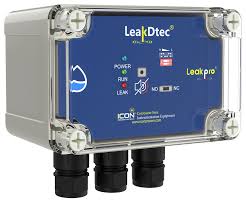
Monitor the annular space and trigger alarm/shutdown logic before a minor leak becomes an incident.
Explore Leak DetectionStop Managing Leaks. Start Engineering Them Out.
If you want a system that reads clean on a P&ID and stays reliable in the field, we’ll help you map the chemistry, select compatible materials, and design the containment + controls so your operators aren’t firefighting.
Note: Final component selection should be validated against chemical concentration, temperature, solids content, and site standards.