
Industrial Tubing, Chemical Transfer Hoses & Fluid Handling Support
Engineered for Real Plant Conditions
Wrong component selection shows up during startup, shutdown, maintenance, and emergency response. LibertyCES helps engineers and operators match the right tubing systems, acid transfer hoses, and industrial fluid handling support components to the real chemistry, routing conditions, and process demands in the field.

Why Selection Matters
The problem is rarely just the product. It is the mismatch between chemistry, temperature, routing, purity requirement, and service duty. Tubing that is acceptable in one process can contaminate another. A hose that survives static compatibility can still fail early under suction stress, bend fatigue, or temperature cycling. LibertyCES evaluates these components as part of the full fluid path so the weak link is addressed before install.
1) Protect Purity
High-purity fluoropolymer transfer paths help reduce contamination risk where media cleanliness and chemical stability matter.
2) Handle Acid Transfer Correctly
Suction and discharge hose service depends on the correct liner, reinforcement, rating margin, and routing discipline.
3) Support the Whole System
Industrial fluid and filtration handling components have to fit the system architecture, not just the parts list.
“If the tubing, hose, or support component touches aggressive chemistry, pressure, or purity-critical media, it is not a commodity. It has to be specified against the real service conditions or the system will eventually expose the weak link.”
Three Core Families
Select the product family that fits your service conditions, then request expert guidance for critical process applications.
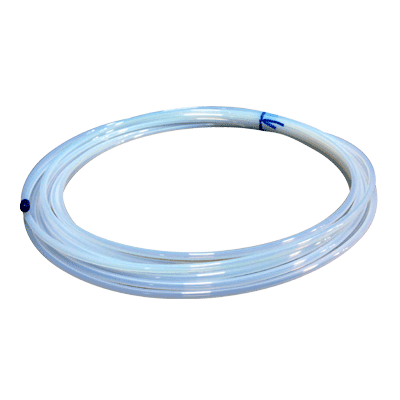
High-Purity PFA & FEP Tubing Systems
For high-purity fluid service where extractables, thermal margin, and fluoropolymer stability matter.
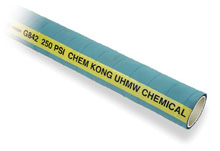
Chemical Acid Transfer Hoses — Suction & Discharge
For aggressive chemical transfer where hose liner compatibility, pressure rating, and routing reliability drive the specification.
Industrial Fluid & Filtration Handling Systems
For broader industrial fluid path support where filtration-connected hardware and transfer components must work as one system.
Direct Answers
Clear guidance for selecting high-purity tubing systems, chemical acid transfer hoses, and industrial fluid handling support components.
When should I specify high-purity PFA or FEP tubing instead of standard chemical tubing?
Specify PFA or FEP tubing when the application involves high-purity media, contamination-sensitive transfer, or temperature and chemical conditions that demand fluoropolymer performance beyond standard utility tubing. The right call depends on media purity, thermal exposure, connection design, and the rest of the fluid path.
What makes acid transfer hose selection more complicated than just chemical compatibility?
Chemical compatibility is only the starting point. Correct hose selection also depends on suction versus discharge duty, routing bends, pressure rating, reinforcement, fitting style, and how the hose behaves under real movement and service conditions. That is why LibertyCES treats hose selection as a system decision, not a commodity purchase.
What belongs in an industrial fluid and filtration handling system?
It usually includes the transfer path, supporting hose or tubing, filtration-connected flow components, connection hardware, and the surrounding specification logic that keeps the system reliable under the actual process conditions. These support components have to be selected in context with the rest of the fluid path.
Should LibertyCES review my fluid path specification before I buy components?
Yes. If the application involves aggressive chemistry, elevated temperature, purity-critical media, or process consequences when transfer fails, LibertyCES should review the service conditions first. That prevents the common mistake of buying individually compatible parts that do not perform correctly together in the field.
Get Matched to the Right Fluid Path
Share the chemistry, concentration, temperature range, pressure conditions, purity requirements, and connection details. LibertyCES will help verify whether the right answer is high-purity tubing, acid transfer hose, or broader industrial fluid and filtration handling support for your system.