
Engineered Fluid Handling & Filtration Solutions for Mission-Critical Operations
LibertyCES designs outcomes — not catalogs. When failure means downtime, compliance exposure, or damaged equipment, we build the filtration, injection, and controls that keep operations stable and verifiable.


The 4 Mission-Critical System Pillars
Choose the system lane that matches your operation. Each page is built to answer engineer-level questions fast.

Precision Drip & Wastewater Dispersal
- Stop biological clogging in reuse applications
- Self-cleaning Bioline® emitter technology
- Built for compliance and long-term stability
Agricultural Fertigation Injection Systems
- Water-powered dosing (no electricity required)
- Precision flow verification with digital metering
- Skids engineered for remote reliability
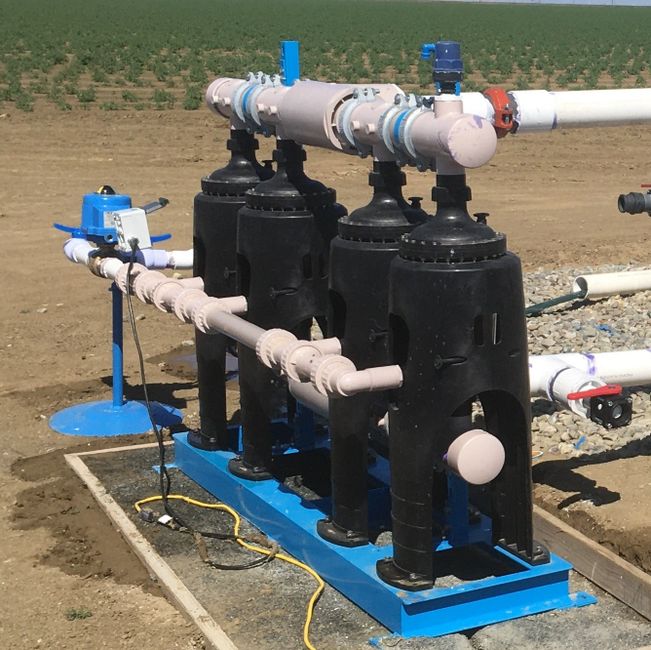
Commercial Sand Filtration
- High-rate filtration for real industrial flows
- FRP & steel vessels (not pool plastic)
- Protect seals, membranes, and downstream assets
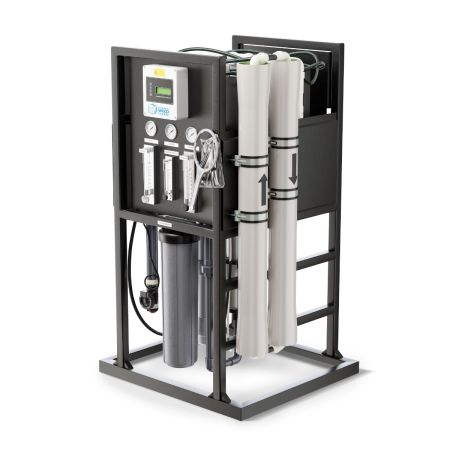
Industrial Reverse Osmosis Systems
- Pretreatment engineered to prevent premature fouling
- Designed for manufacturing & boiler feed
- Long-life membrane strategy (not 2-year failures)
How a “Free Spec Review” Works
Fast, practical, and engineered to prevent silent failures before you buy.
FAQ — Engineer-Level Answers (Schema-Ready)
What is the difference between commercial and industrial sand filtration?
Industrial sand filtration uses FRP/steel vessels, higher flow capability (GPM), and media strategies designed for continuous duty and corrosive service—unlike residential pool filters built for low-risk, intermittent operation.
How do I prevent emitter clogging in wastewater drip dispersal?
Use self-cleaning emitter technology (like Netafim Bioline®) paired with properly sized upstream filtration. LibertyCES engineers the filtration and control strategy to reduce biofouling, protect flow paths, and meet reuse requirements.
Can fertigation systems operate without electricity?
Yes. Water-powered Dosatron injectors can dose nutrients and treatment chemistries without external power—ideal for remote sites. LibertyCES integrates these into field-ready systems with verification metering and rugged piping.
What pretreatment is required for industrial RO systems?
Pretreatment typically includes sediment removal, chemical dosing (antiscalant or dechlorination when applicable), and control of scaling/fouling drivers. The goal is stable flux rates and membrane protection under real industrial feedwater conditions.
How accurate are Blue-White flow meters for chemical injection?
Digital flow metering supports precise dosing verification and data logging, reducing “guess-and-check” operation. LibertyCES designs metering and piping layout to minimize turbulence and maintain repeatable measurement integrity.
Why do RO membranes fail prematurely in industrial settings?
Premature failure is commonly caused by inadequate pretreatment, incorrect flux rates, or poor chemical balance. Engineering pretreatment and stable operating parameters is what prevents rapid fouling and early replacement cycles.
What are the California regulations for subsurface wastewater dispersal?
Projects often require compliance with Title 22 reuse considerations and local environmental health requirements. LibertyCES helps align filtration/dispersal design with the local authority’s expectations for redundancy, monitoring, and protection against clogging.
Does LibertyCES provide custom fabrication for pump skids?
Yes — engineered, plumbed, and tested skids built for drop-in installation to reduce downtime and commissioning risk.

Meet the Engineer: James Riggins
James Riggins is LibertyCES’ senior fluid systems engineer with 30+ years in chemical feed, filtration, and industrial water treatment. He has specified and supported 100+ municipal and industrial projects with a zero-failure mindset—engineering pretreatment, pumps, tanks, valves, and controls so systems run compliant, stable, and dependable for decades, not months.