
Industrial Reverse Osmosis (RO) Systems | 10+ Year Membrane Life
Standard RO systems fail in 2 years. We engineer pre-treatment so yours can run 10–15 — with stable recovery, lower energy draw, and fewer membrane events.
We do not sell residential under-sink filters. LibertyCES engineers skid-mounted water treatment plants for manufacturing, boiler feed, and chemical processing.
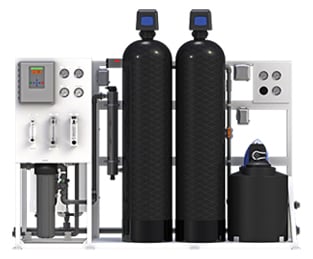
Cut Energy Costs with Extra Low Energy Membranes
Industrial RO isn’t just “clean water.” It’s electricity, pump wear, and operating pressure. When you spec membranes correctly, you can reduce system pressure and avoid burning power to hit your permeate target.
Lower Operating Pressure
Extra low energy elements reduce the pressure required for production, lowering electrical demand and stress on pumps.
Lower Total Cost
The quiet savings add up: energy + fewer membrane events + fewer emergency cleanings.

Your Membrane Is a Kidney. Don’t Feed It Toxins.
The membrane isn’t the product — pre-treatment is. Most “RO failures” are predictable: hardness scaling, chlorine damage, iron fouling, biological growth, and aggressive recovery that turns the system into a scaling machine.
Chemical Protection
We engineer antiscalant dosing and compatibility so hardness doesn’t become membrane cement.
Filtration & Dechlorination
Carbon / sediment filtration protects elements from oxidants and particulate loading.
Clean-In-Place (CIP) & Automated Compliance
If cleaning requires dismantling the plant, it won’t happen enough — and membranes get sacrificed. A CIP pathway keeps cleaning practical and reduces downtime.
CIP Ready
Flush and restore membranes while they remain in the rack — faster maintenance, less disruption.
Concentrate Planning
We account for discharge constraints early so concentrate handling doesn’t become a permitting surprise.

Free & Easy Spec Review — Tell Us Your Water + Your Goal
Call us or paste your situation. We’ll recommend membrane format (4040/8040), recovery target, pretreatment pathway, and CIP/controls direction.
Copy / Paste Brief
Paste this into the contact page. Rough estimates are fine.
FAQ — Industrial RO Intent
What is the difference between a residential and industrial RO system?
Industrial RO systems use larger membrane elements (4040/8040), higher-capacity pumps, and engineered pre-treatment/controls to handle high flow and continuous duty. Residential under-sink units are built for low flow and intermittent use.
How long should a commercial RO membrane last?
With correct pre-treatment and stable operating conditions, many commercial/industrial membranes can last 10–15 years. Without pre-treatment, membranes often fail quickly due to scaling, oxidant exposure, or fouling.
What is the benefit of low-energy RO membranes?
Low-energy elements reduce required operating pressure for a given production rate, lowering electricity use and reducing stress on high-pressure pumps.
Why do I need a water softener or antiscalant before my RO system?
Hardness minerals can form scale on the membrane surface, restricting flow and damaging performance. Softening or antiscalant injection helps prevent mineral precipitation so the RO can operate efficiently.
What is recovery rate in industrial reverse osmosis?
Recovery rate is the percentage of feed water converted into permeate. Recovery must be engineered to balance water efficiency with scaling risk based on feed chemistry and pretreatment.
Can RO systems remove bacteria and viruses?
RO membranes remove a very high percentage of dissolved salts and many microorganisms. Industrial systems still often pair RO with disinfection/monitoring strategies depending on process and compliance requirements.
What is a CIP system for Reverse Osmosis?
A CIP (Clean-In-Place) system circulates cleaning solution through the RO rack to remove foulants without disassembling the unit, reducing downtime and making maintenance realistic.
Does LibertyCES build custom RO skids?
Yes. LibertyCES can provide engineered, skid-mounted RO systems with integrated pretreatment pathways, instrumentation, and commissioning support for industrial duty applications.
Explore Related Systems
Complete the hub with pretreatment solids control, precision dosing, and reuse/dispersal strategies.

Meet the Engineer: James Riggins
James Riggins brings 30+ years of expertise in fluid dynamics and membrane technology. He specializes in engineering high-recovery RO systems that balance energy efficiency with long-term membrane health.