
Precision Fertigation & Chemical Injection Skids (High-Accuracy Dosing)
Stop buying boxes. Start buying engineered feed systems — sized for your flow, pressure, dilution ratio, and chemistry so your dosing stays stable instead of becoming a season-long headache.
We do not sell automotive fuel pumps or medical feeding devices. LibertyCES engineers chemical injection systems for commercial agriculture, greenhouses, and industrial water treatment.
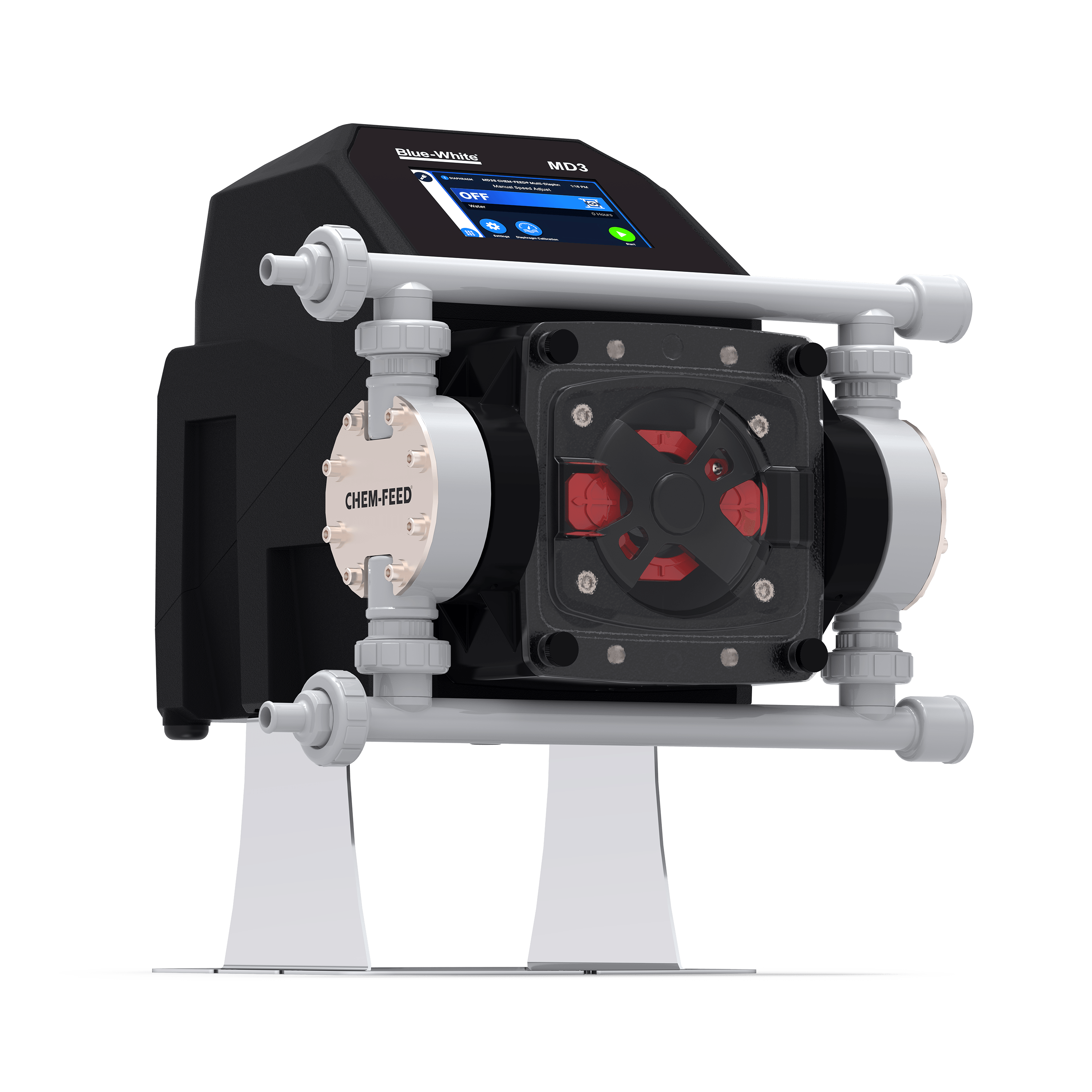
Choose Your Power Source: Mechanical vs. Digital Precision
Two different realities. Two different solutions. Pick the lane that matches your site: remote fields with minimal power, or closed-loop accuracy for high-value crops and controlled environments.
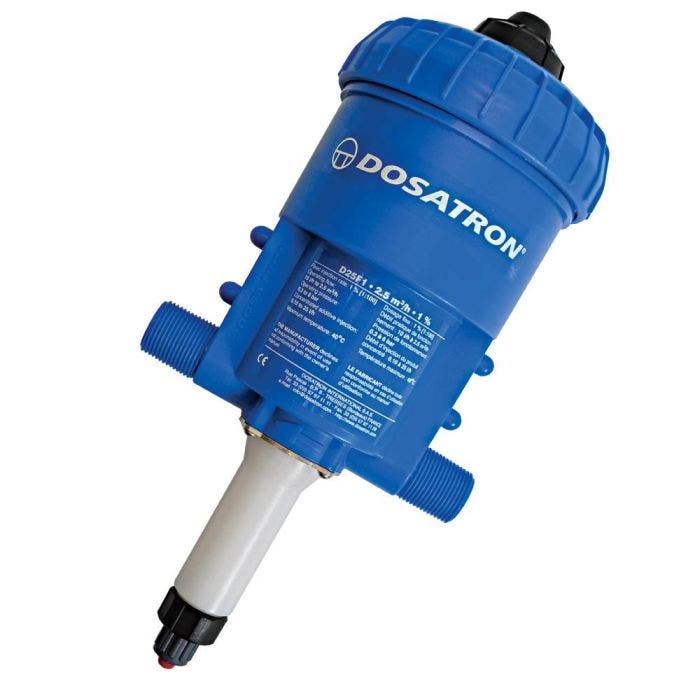
No electricity? No problem. Ideal for remote fields and open-loop irrigation where water flow drives injection.
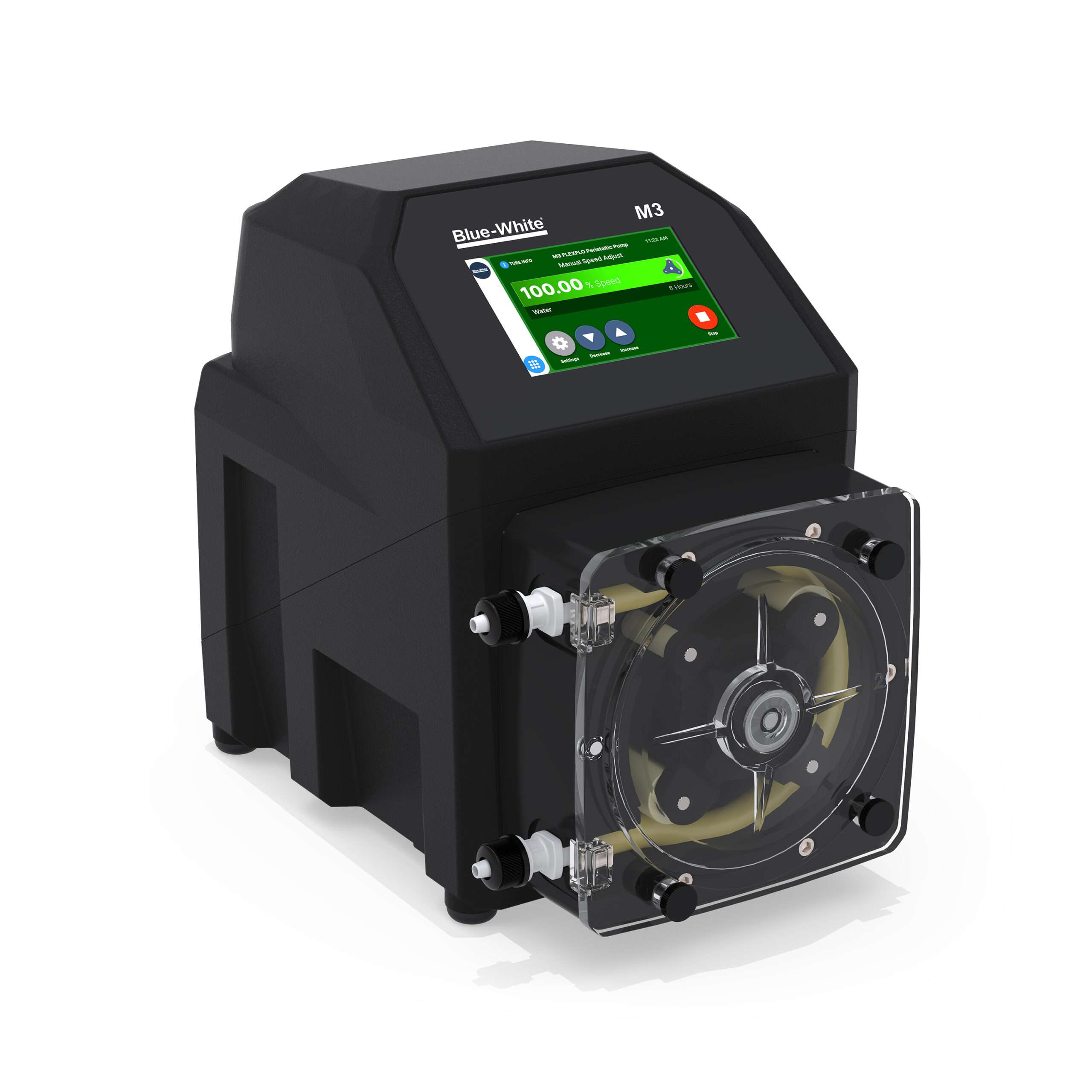
Closed-loop dosing for greenhouses, hydroponics, and high-value chem-feed with SCADA integration pathways.
We Engineer the “Ecosystem” Around the Pump
Buying a pump online is how projects fail — mismatched flow, wrong seals, no filtration, no backflow protection, and no plan for the chemical. We spec the full chain so dosing is stable, safe, and field-proof.
Calculated Sizing
We size by your irrigation flow (GPM), pressure (PSI), and target injection ratio — keeping the injector in its sweet spot.
Chemical Compatibility
Seal and wet-end compatibility (EPDM vs Viton vs PTFE) based on your fertilizer/acid profile to prevent swelling, leaks, and drift.
Upstream Filtration
A pump is only as good as its filter. We integrate upstream protection to stop grit from killing pistons, diaphragms, and check valves.
Backflow + Check Valve Architecture
Engineered checks on discharge + backflow prevention strategy on the main line to reduce contamination and compliance risk.
Protecting the Yield: RO Integration & Safety
For high-value crops and controlled environments, water quality is part of the dosing equation. We can align pretreatment (including RO) with injection so nutrients behave predictably — and safety stays non-negotiable.
Hydroponic RO Pathways
Lower TDS variability before nutrient injection so feed stays balanced. Ideal for sensitive crops and high-repeatability operations.
Containment + Operator Safety
Correct storage, containment strategy, and leak-risk reduction so “simple dosing” doesn’t turn into a spill event.
Free & Easy Spec Review — Tell Us Your Situation
No long forms. No runaround. Call us or type your situation and we’ll give you the right system direction (mechanical vs digital, sizing, filtration, compatibility, and safety).
Copy / Paste Brief
Paste this into the contact page and fill the blanks. Rough estimates are totally fine.
FAQ — “People Also Ask” Targets
What is the difference between a mechanical and digital fertigation pump?
Mechanical injectors are water-powered and require no electricity, making them ideal for remote fields. Digital metering pumps use electricity to provide more data-driven control and consistent dosing pathways for greenhouses and controlled environments.
How do I size a chemical injection pump for irrigation?
Sizing requires your irrigation flow rate (GPM), pressure (PSI), and the target injection ratio (example: 1:100). LibertyCES helps calculate the correct range so the injector isn’t undersized (drift) or oversized (instability and wear).
Can I use a standard metering pump for sulfuric acid injection?
Often no. Acid injection typically requires compatible seals/wet-ends (examples: Viton, PTFE) plus proper containment and check valve architecture. LibertyCES specs pumps based on chemical profile and duty conditions.
Why does my Dosatron click but not inject fertilizer?
This commonly points to a piston/seal issue or grit damage. That’s why engineered upstream filtration and correct water quality assumptions matter for long-term reliability.
Do digital pumps integrate with SCADA systems?
Many digital metering platforms offer control/telemetry options (including common industrial signal standards) to support automation and monitoring for dosing consistency.
What is the benefit of a peristaltic pump for fertigation?
Peristaltic dosing can be advantageous for certain off-gassing or difficult-to-prime chemicals because the fluid path and pumping action reduce some vapor-lock and seal-leak failure modes.
How do I prevent backflow in a fertigation system?
Use a discharge-side chem-feed check valve plus a backflow prevention strategy on the main water line. LibertyCES skids can be configured with these safety elements to reduce contamination risk.
Does LibertyCES build custom fertigation skids?
Yes. LibertyCES provides engineered, plug-and-play skid pathways that combine tank, pump/injector, piping, and controls coordination — designed to reduce field rework and dosing instability.
Explore Related Systems
Complete the hub: compliance dispersal, filtration protection, and high-purity water generation.

Meet the Engineer: James Riggins
James Riggins brings 30+ years of field experience in fluid dynamics and chemical feed engineering. He designs “zero-failure” injection systems by aligning hydraulic sizing, chemical compatibility, and protection hardware so dosing stays stable under real-world operating conditions.