Industrial Chemical System Failures & Engineered Solutions
Chemical systems fail because material compatibility, pump architecture, operating conditions, and system design are often misaligned with the real duty cycle. LibertyCES analyzes failure modes, identifies the root cause, and builds engineered solutions that correct the problem before it creates more downtime, waste, or compliance risk.
30+ years spec experience. Send James the process data and get a real answer — not a catalog page.
Request a Spec Review →Real-World Breakdowns
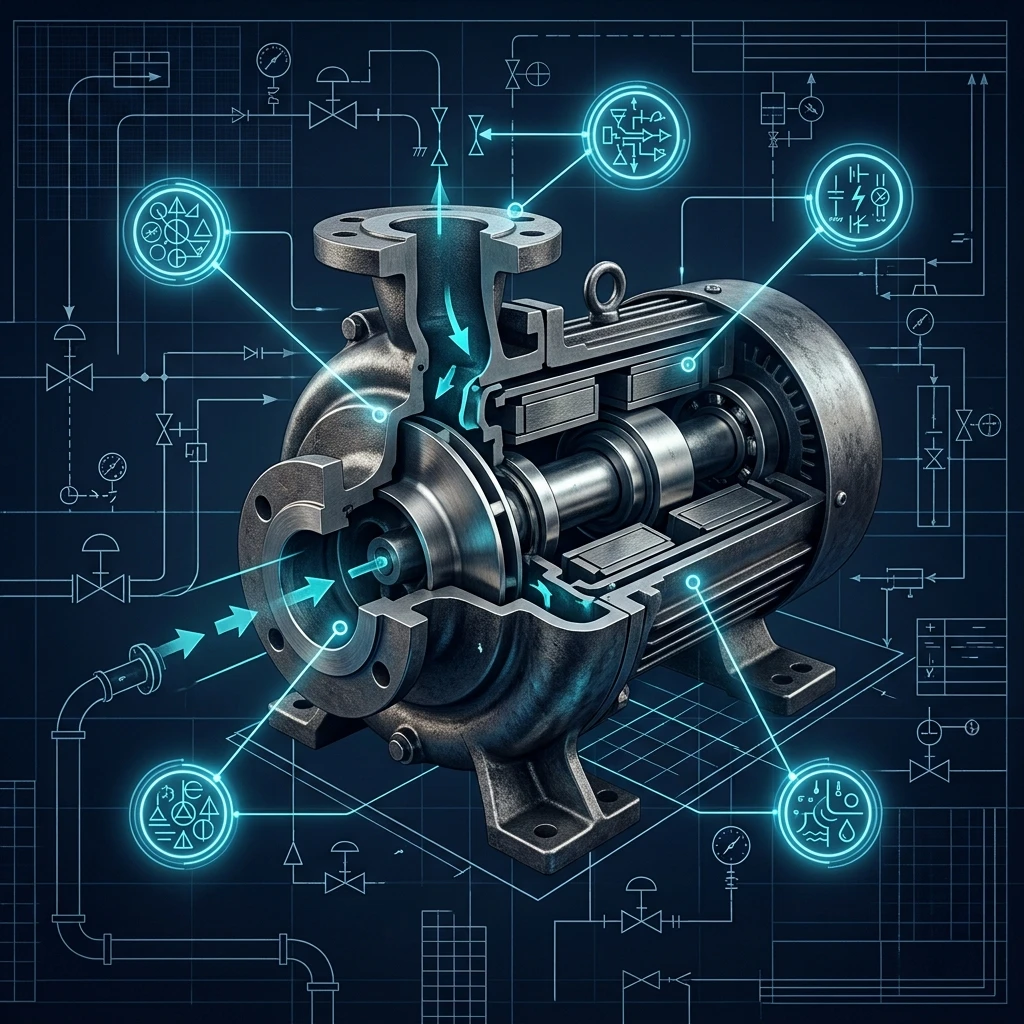
Why chemical systems fail in the field.


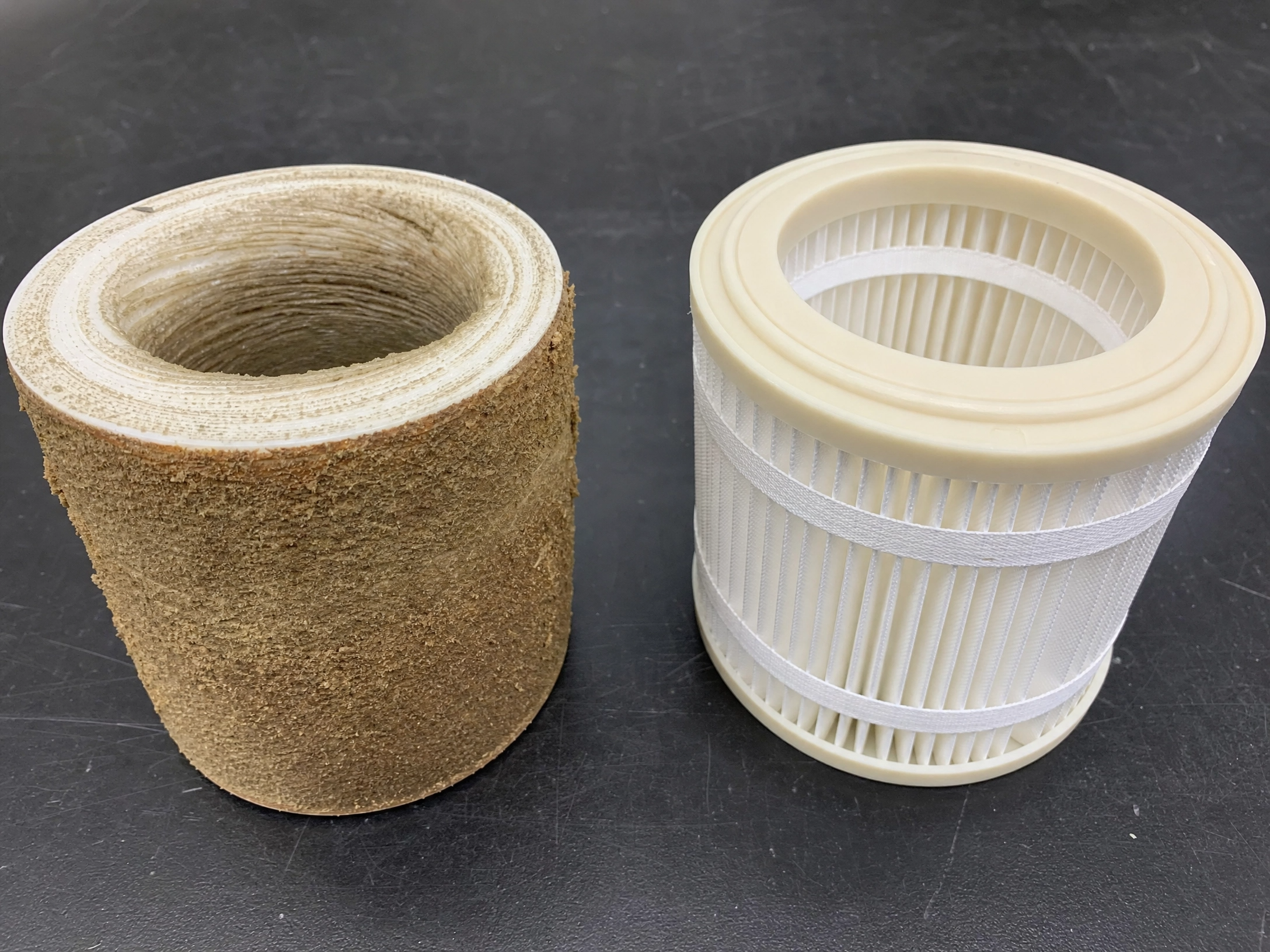
Proven System Upgrades
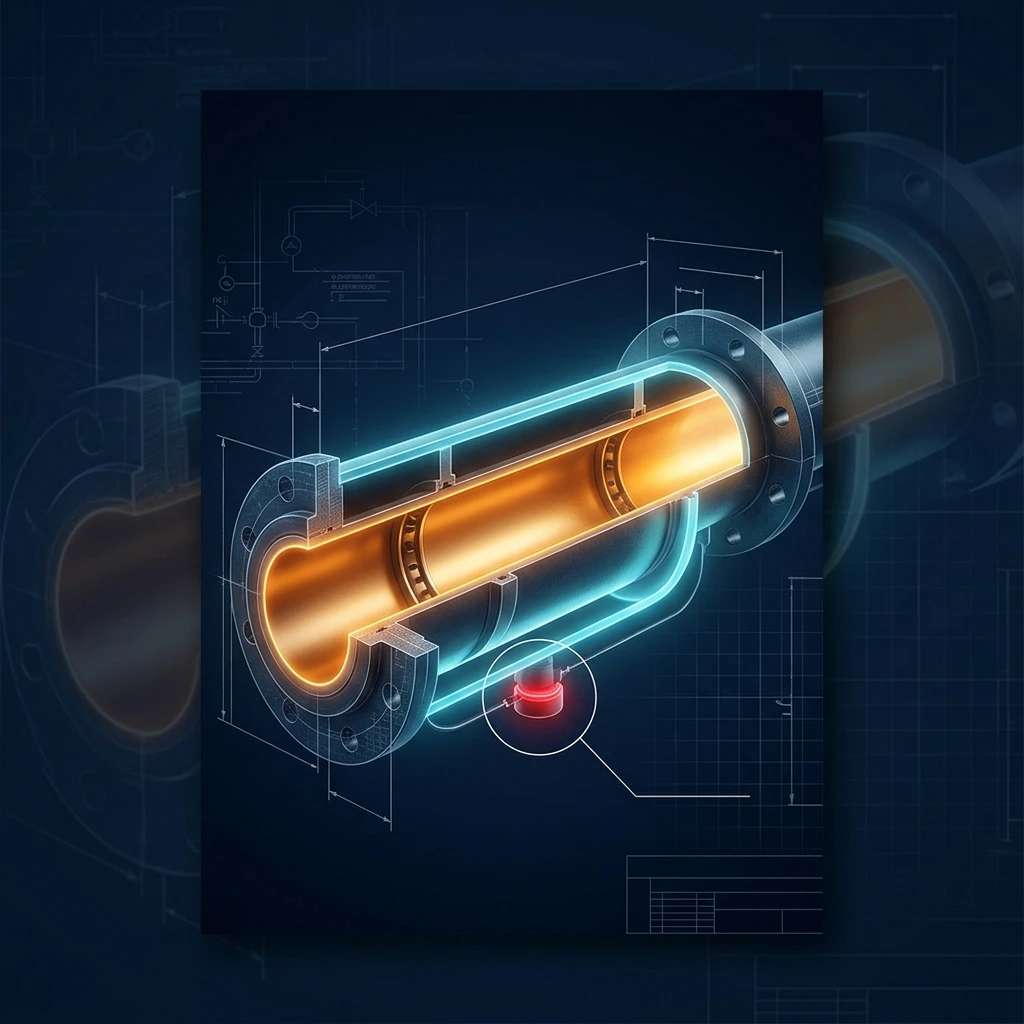
System designs and upgrades built to eliminate failure points and improve reliability.






The Short List of Root Causes
Most recurring failures trace back to a short list of specification and design errors. If the system is wrong at the material, pump, or layout level, the failure shows up in uptime, dosing accuracy, maintenance cost, or safety exposure.
70+ technical specification guides, documented root-cause analysis on every failure mode below
- Material incompatibility — Attacks diaphragms, pump heads, tubing, valves, fittings, or tank components before the system reaches expected service life.
- Improper pump selection — Pump type, pressure capability, control range, or operating logic does not match the real application.
- Incorrect piping materials — Can't handle the chemistry, temperature, pressure, or full operating environment over time.
- Poor system design — Bad suction conditions, deadhead risk, gas binding, poor maintenance access, or weak overall fluid-path logic.
- Operating condition mismatch — Real duty cycle, concentration, ambient environment, or process variability was never built into the original specification.
- Lack of filtration or protection — Leaves pumps, valves, and downstream equipment exposed to solids, debris, scale, or unstable process conditions.
When the fix involves the full fluid path, LibertyCES re-specifies the system around chemical feed systems, chemical storage tanks, mag-drive pumps, and peristaltic pumps so the system works as one engineered package instead of a collection of mismatched parts.
Frequently Asked Questions
Why do chemical pumps fail?
Chemical pumps fail when the material set, pump type, pressure profile, and real operating conditions do not match the service. In the field, that usually shows up as premature wear, loss of prime, leaking components, bad dosing accuracy, or repeated rebuilds that never solve the actual root cause.
What causes diaphragm failure?
Diaphragm failure is usually driven by chemical attack, pressure cycling, vapor lock, over-stroking, or a pump running outside the duty cycle it was specified for. In aggressive chemical feed service, the wrong elastomer or head design will fail early even if the flow rate looked correct on paper.
What is mag drive decoupling?
Mag drive decoupling happens when the magnetic connection between the motor side and the impeller side breaks under excess load — from poor suction conditions, deadhead pressure, viscosity, solids, or a pump architecture that was never right for the application.
What causes SSIC bearing damage in mag drive pumps?
Silicon carbide bearings fail when the pump runs dry, ingests solids, experiences thermal shock, or operates in conditions that strip the fluid film the bearing depends on. SSIC is extremely hard but brittle — the wrong operating event destroys it fast, with little visible warning.
How do you prevent chemical incompatibility?
By specifying every wetted component against the actual fluid, concentration, temperature, pressure, and duty cycle — pump, diaphragm, valves, piping, fittings, tubing, gaskets, tank, and injection hardware all correct together.
What system upgrades improve reliability?
Reliability usually improves when the system is re-designed around corrected materials, better pump selection, stronger piping logic, better filtration, proper back-pressure control, instrumentation, and cleaner skid architecture — removing the original failure mechanism instead of just replacing parts faster.
Not sure what's causing failure in your system?
Bring the chemistry, process conditions, pressure, temperature, and failure pattern. LibertyCES will help identify the root cause and point you toward the corrected specification.