Pumps, sized to the chemistry — not the catalog page
Metering, diaphragm, peristaltic, sealless, and specialty pump architectures, selected against your fluid's real concentration, temperature, and duty cycle.
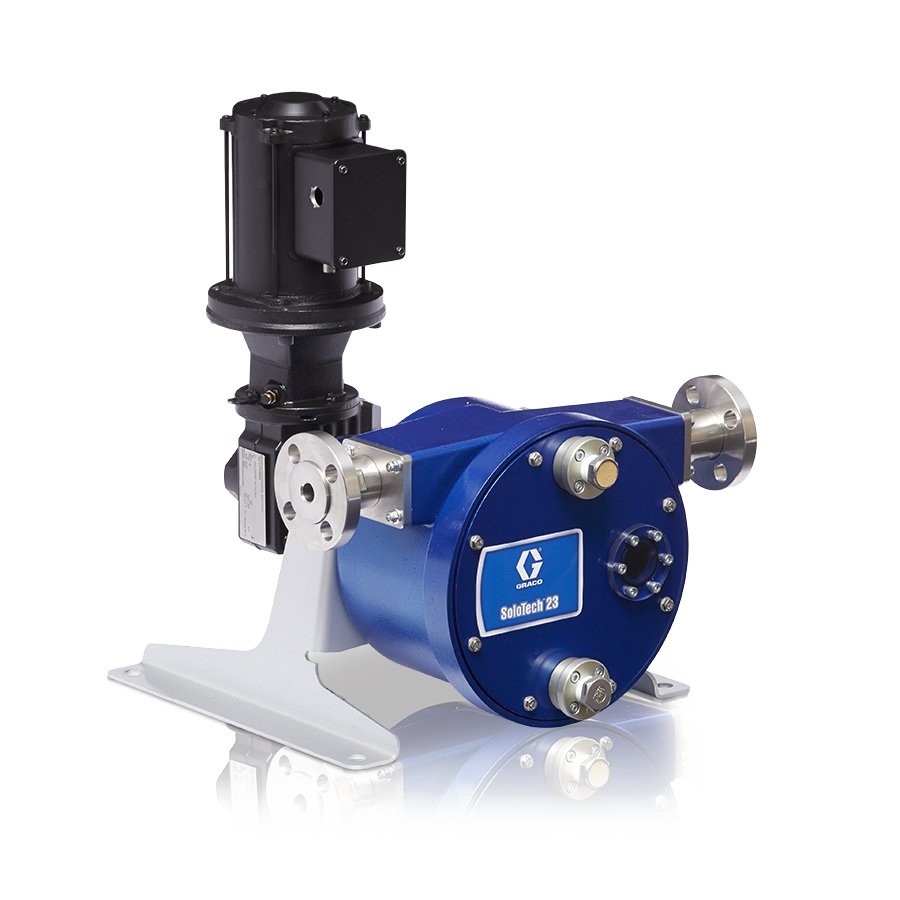
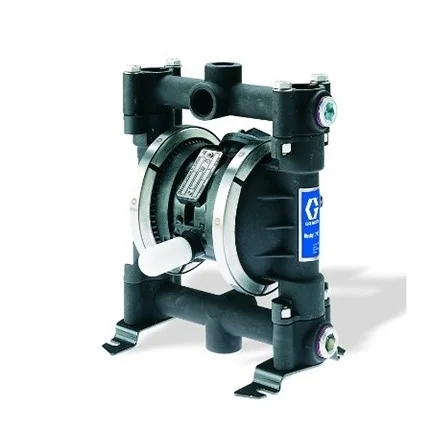
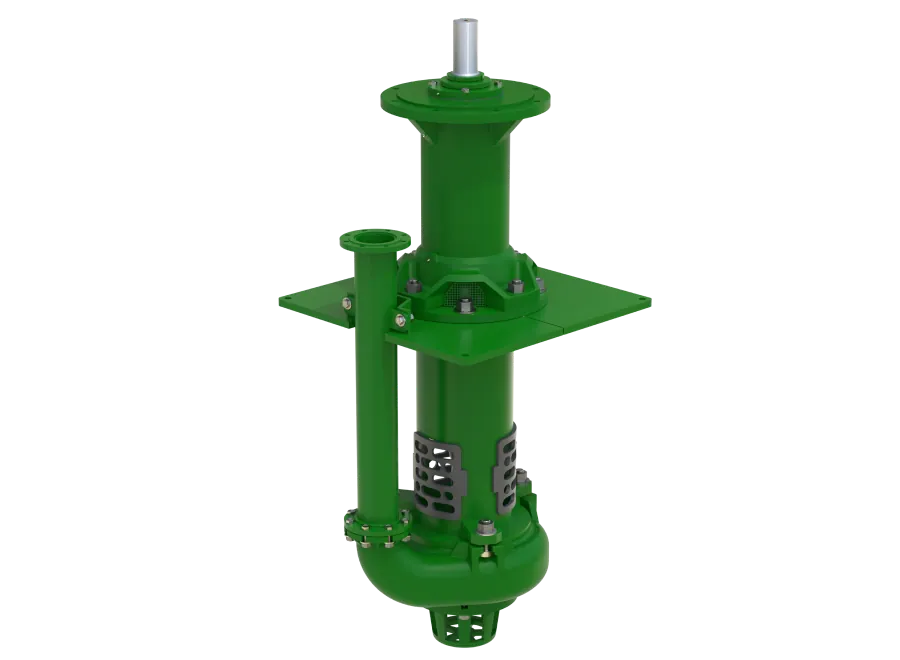
Pump & fluid-transfer architectures


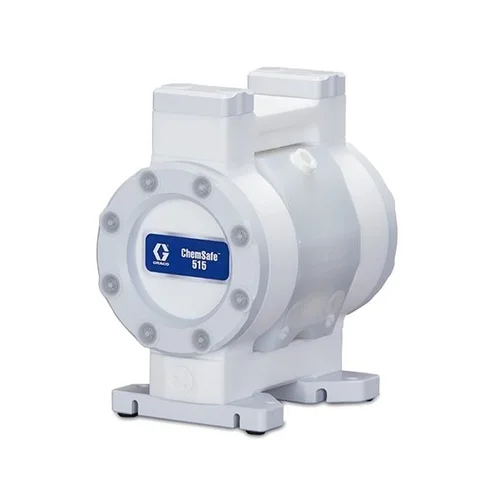
CFR 21.177 / EC 1935/2004 compliant for pharma & cosmetic processing
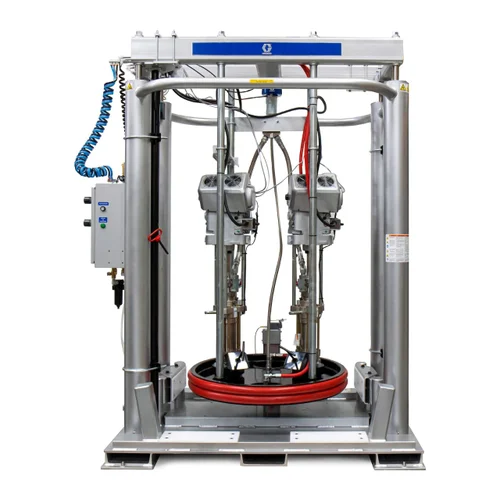


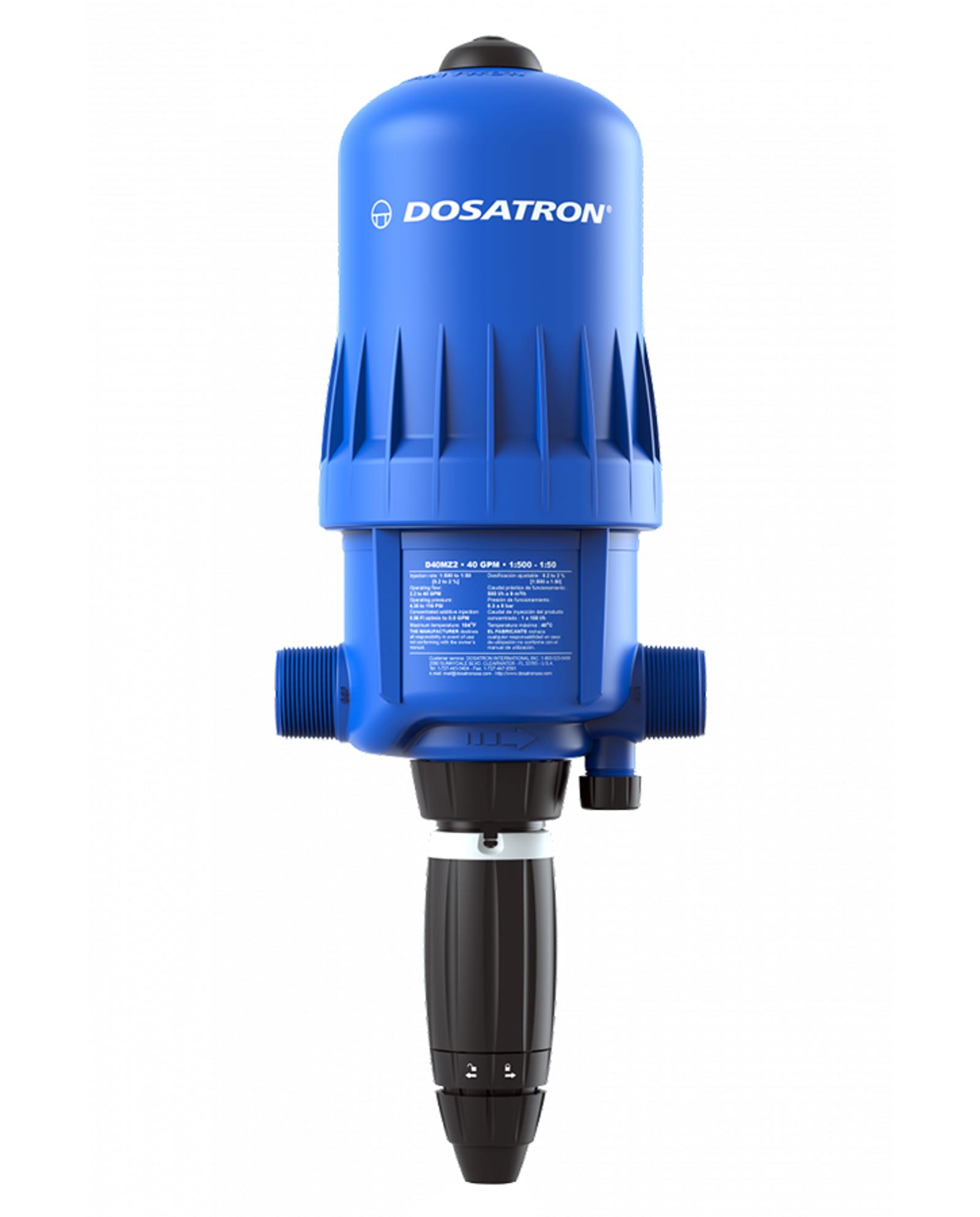
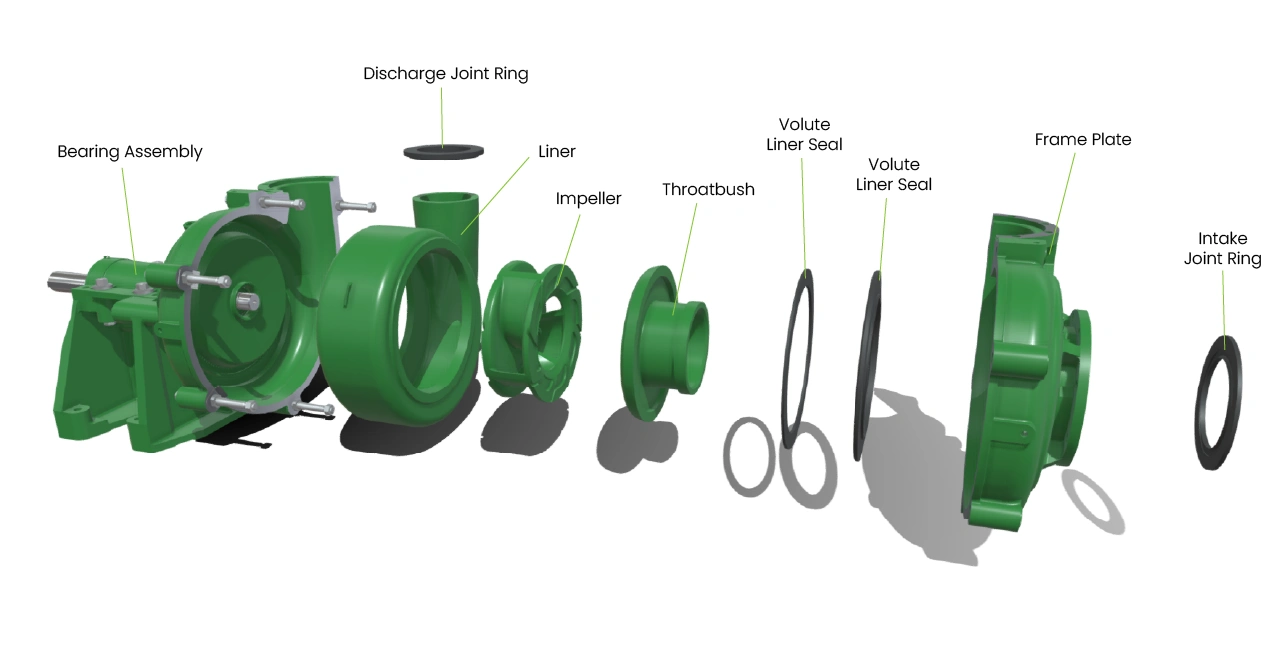


NSF-61 Municipal certified; DVGW/UVDGM-certified models for drinking water

NSF-61 listed — dedicated Municipal model line


Where LibertyCES specs Fluid Transfer equipment
Frequently Asked Questions
What actually protects a mag-drive pump from dry-run failure?
A mag-drive centrifugal pump relies on the pumped liquid to lubricate and cool its internal bushings — losing that liquid can generate rapid heat damage within seconds. Finish Thompson's M20 power monitor watches the pump's actual electrical load pattern and detects the drop in hydraulic load before motor current rises enough to trip a standard overload relay, catching dry running, deadheading, and magnet decoupling that a standard relay misses.
What's the real difference between a sealed and sealless (mag-drive) pump?
A sealless mag-drive pump eliminates the mechanical-seal leak path, which is the single largest failure point in a traditionally sealed pump. It doesn't eliminate every failure mode — mag-drive pumps have a different failure profile (dry running, cavitation, magnet decoupling) that needs its own protection strategy, not the assumption that sealless means leak-proof under every condition.
Is dry-run tolerance the same across all mag-drive pump designs?
No — it depends on the specific bushing design. Richter's MNK series, for example, uses SAFEGLIDE PLUS dry-running-optimized plain bearings (pure SSiC or SSiC/SAFEGLIDE PLUS) specifically engineered for that condition. Dry-run tolerance should never be assumed from the pump category alone; it has to be verified for the specific model.
Why can't pump selection be done by catalog flow/pressure numbers alone?
Flow and pressure are only two inputs in the Zero-Guesswork Specification Framework's Hydraulic gate — the real operating envelope also includes NPSH (available and required), suction condition (flooded vs. lift), operating turndown, and minimum-flow requirement. Equipment gets selected for the full system operating envelope, not because a catalog maximum happens to clear the target flow.
Send LibertyCES the process data, not a part number
Fluid, chemistry, concentration, temperature, flow, pressure, suction conditions, current equipment, and drawings if you have them — that's what a real spec review needs to start.
Ready to buy or need a fast answer? Call, text, or email James directly — (559) 395-5500 · [email protected].