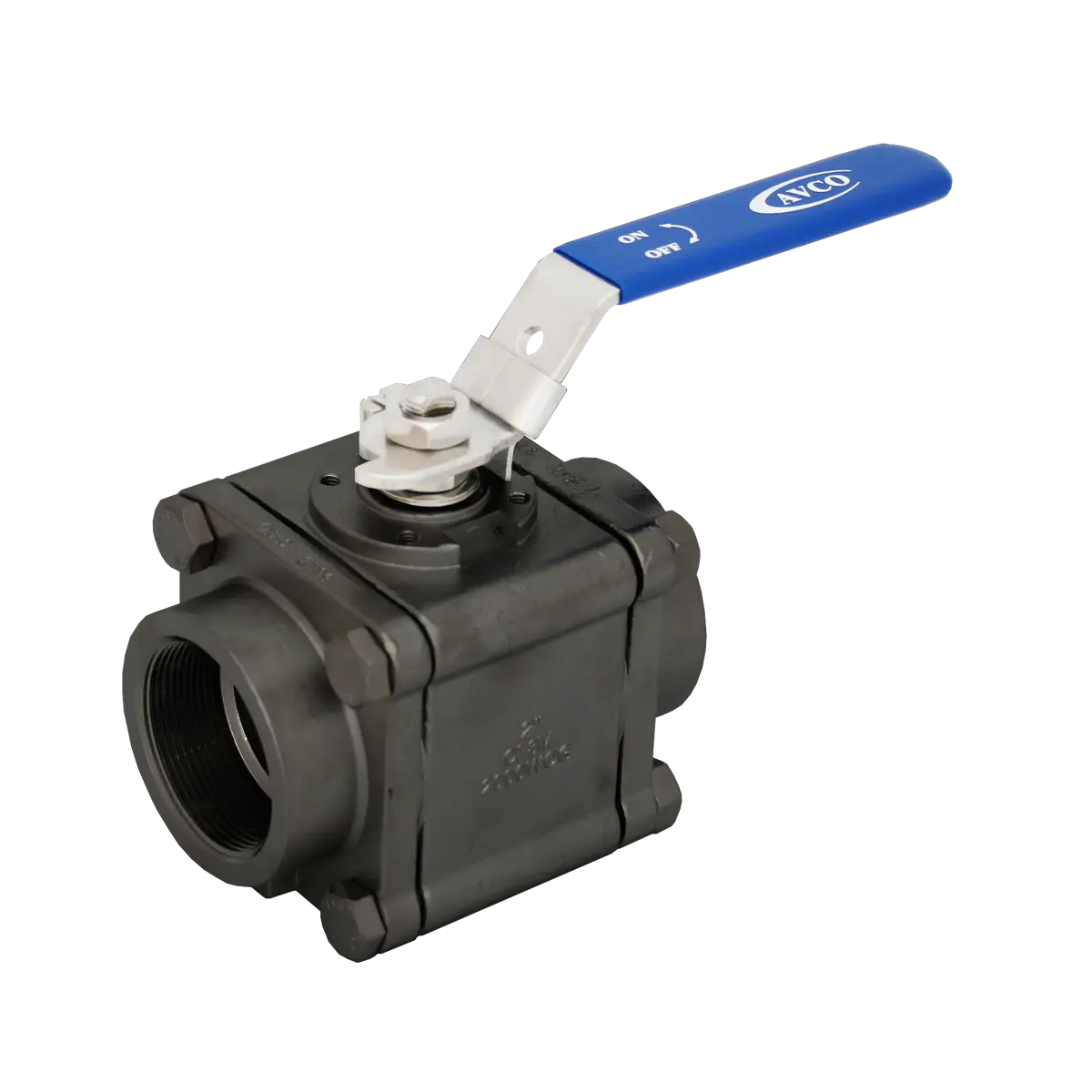
Chlorine Service Ball Valve
Chemical compatibility is documented for Gases & Elemental/Inorganic Misc. Documented models include AVCO Chlorine Service Ball Valve. Send James the fluid, concentration, temperature and flow for a free spec review.
30+ years spec experience. Send James the process data and get a real answer — not a catalog page.
Request a Spec Review →Where LibertyCES specs Chlorine Service Ball Valve
No documented sector-specific application yet for this category — treat as a spec-review item until real field data exists.
Chemical compatibility
Technical guides for Chlorine Service Ball Valve
Frequently Asked Questions
Can Chlorine Service Ball Valve handle Gases & Elemental/Inorganic Misc?
Chlorine Service Ball Valve has documented compatibility with Gases & Elemental/Inorganic Misc Materials to confirm: Carbon steel WCB body and ends, Monel 400 or Hastelloy C ball, stem and retainers (full-Monel or full-Hastelloy construction also offered), B7 body bolts and 2H nuts, 25% carbon filled Teflon / Teflon seats, Flowline chart: 316SS rates only C on bromine vapor 25%, saturated bromine water, wet fluorine gas and aqua regia — while PVDF and PTFE rate E; PVC rates F on those same media. Specific chemicals include chlorine gas (Cl2), liquid chlorine, wet chlorine gas, hypochlorites, bromine vapor 25%, bromine water (saturated), wet fluorine gas.
How do I specify Chlorine Service Ball Valve for my application?
Send LibertyCES your fluid, chemistry, concentration, temperature, flow, pressure, and suction conditions for a free spec review of Chlorine Service Ball Valve against your actual process data — not a generic catalog match.
Send LibertyCES the process data, not a part number
Fluid, chemistry, concentration, temperature, flow, pressure, line size, and current equipment — that's what a real spec review needs to start.
Ready to buy or need a fast answer? Call, text, or email James directly — (559) 395-5500 · [email protected].
Other flow-control categories
Send James your spec
Fluid, concentration, temperature, flow or volume, and where it goes. James replies with a real answer, not a catalog page.
Reviewed by James Riggins, 30+ years specifying water and chemical process equipment · Updated