Instrumentation, matched to the tank — not the catalog page
Level, flow, pH/ORP, conductivity, pressure, temperature, and gas-detection instrumentation, selected against your fluid's real foam, vapor, agitation, and chemistry conditions.
Sensing & control instrumentation categories

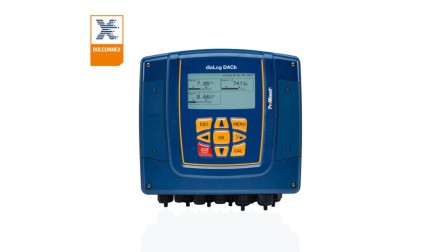


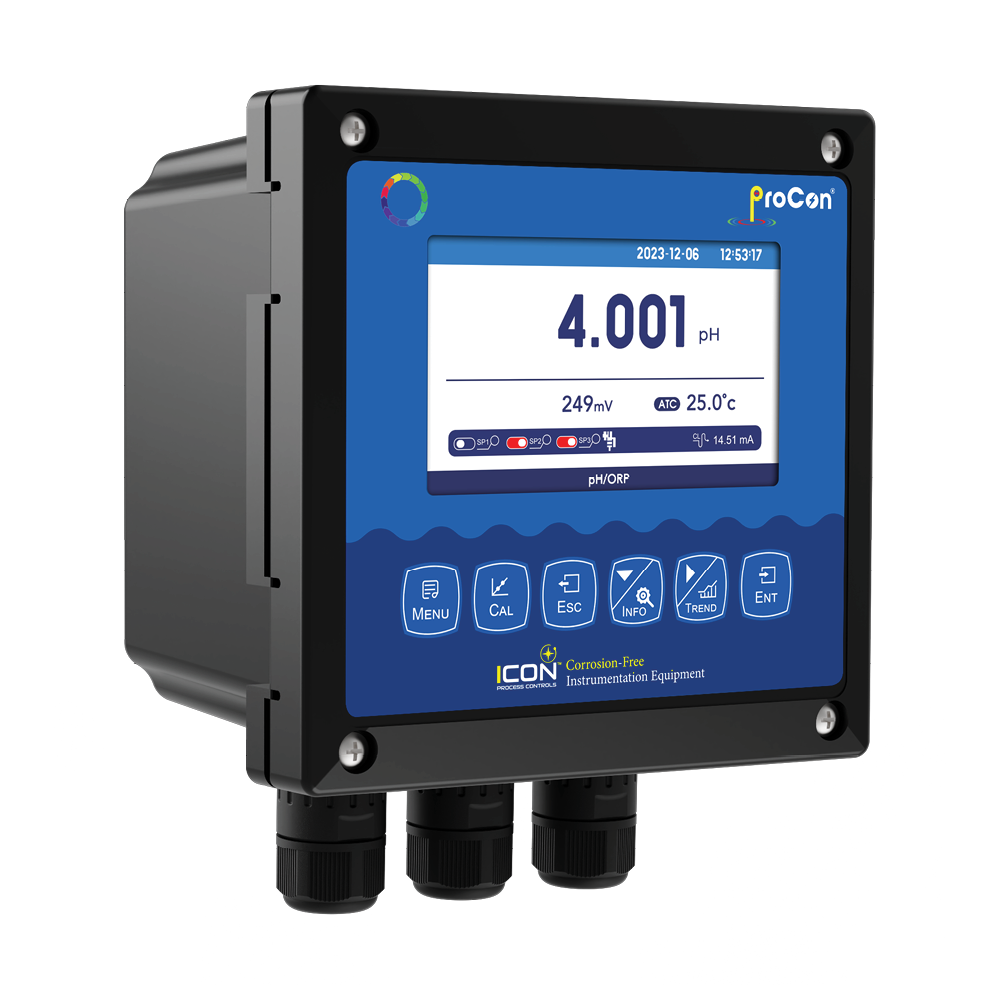
TB450 — named for municipal sewage & industrial wastewater plants
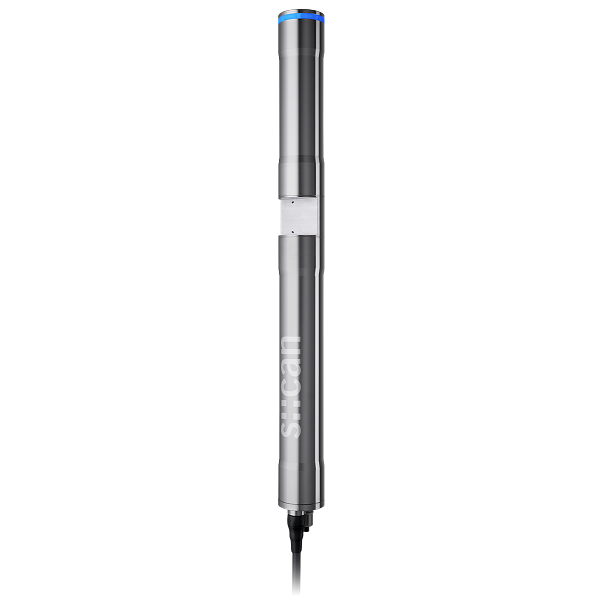

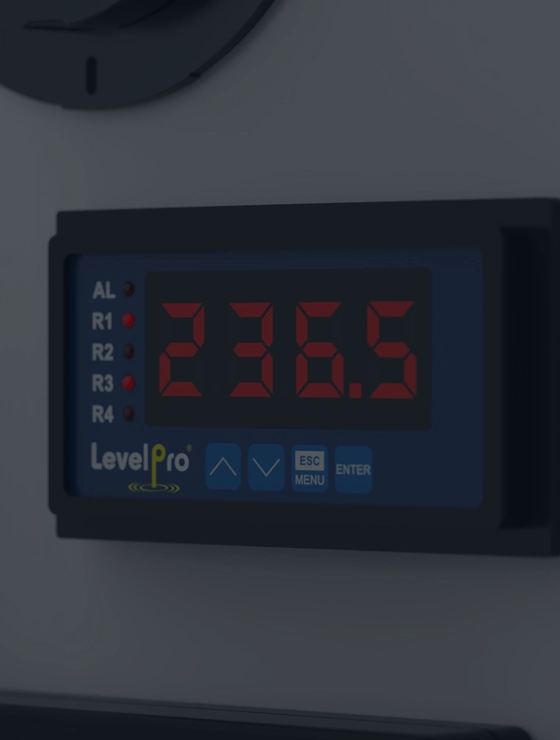

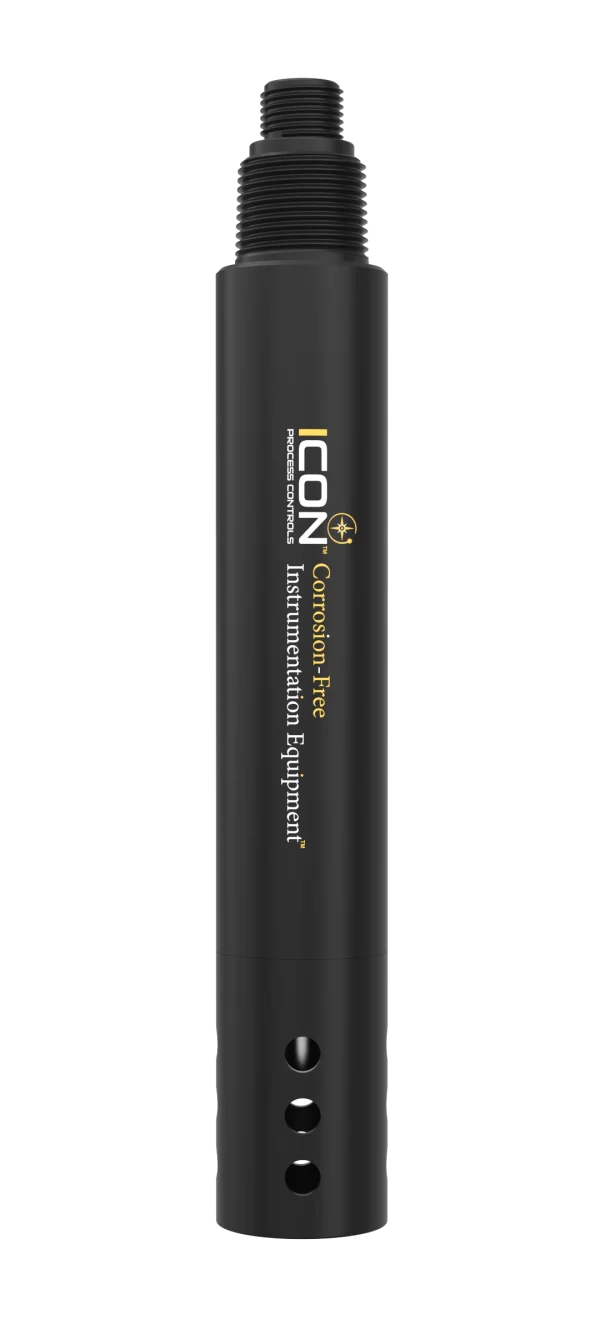
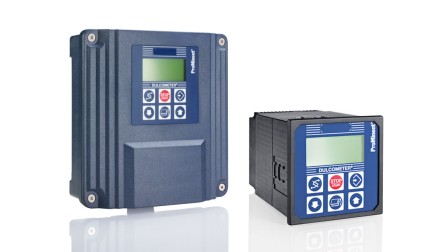
16-filter-circuit capacity — water-park / municipal-aquatic scale

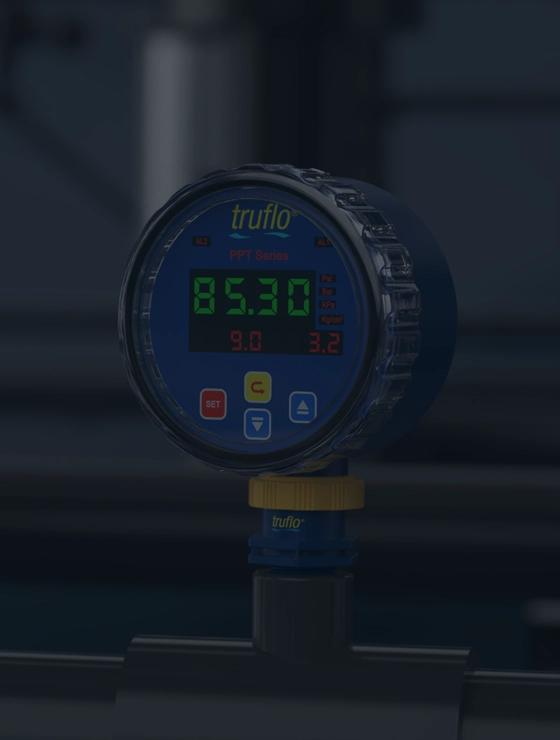
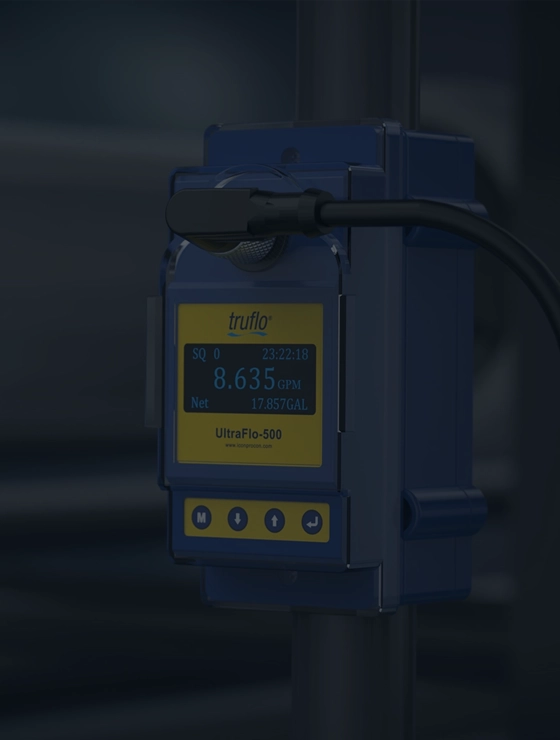
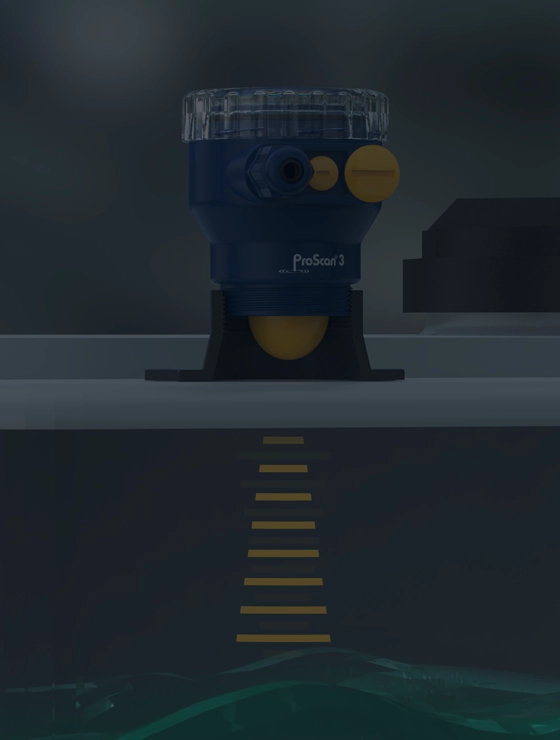
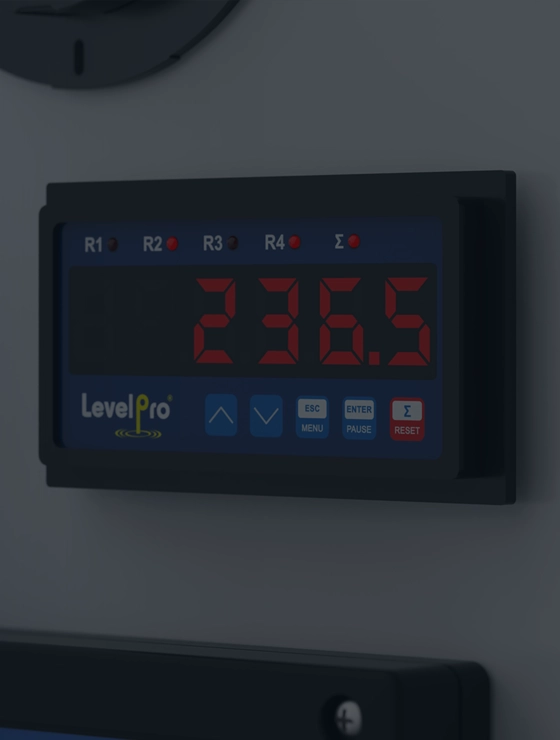
Replaces manual tank climbing — avoids ~$50K/yr inventory-variance risk

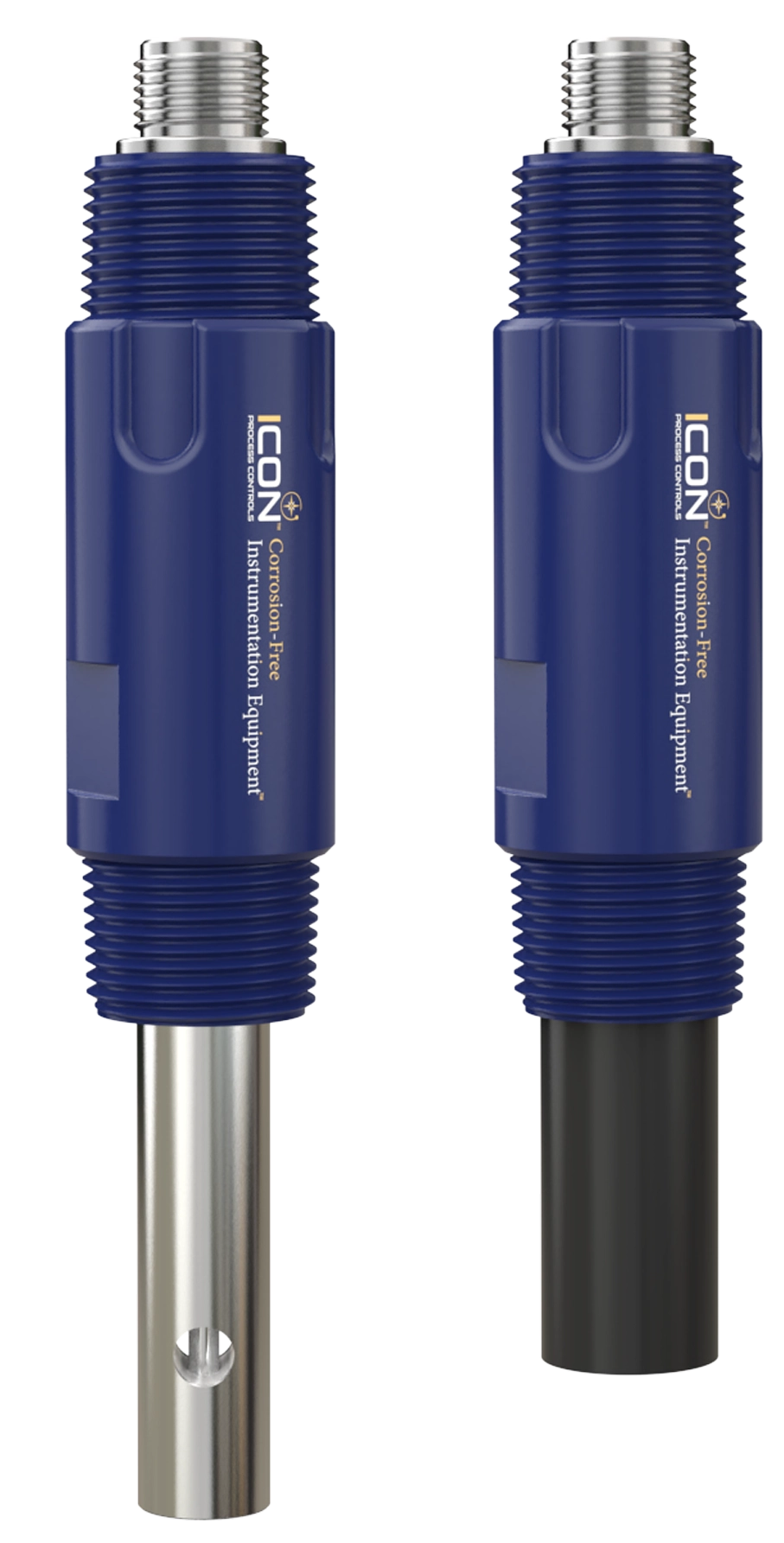
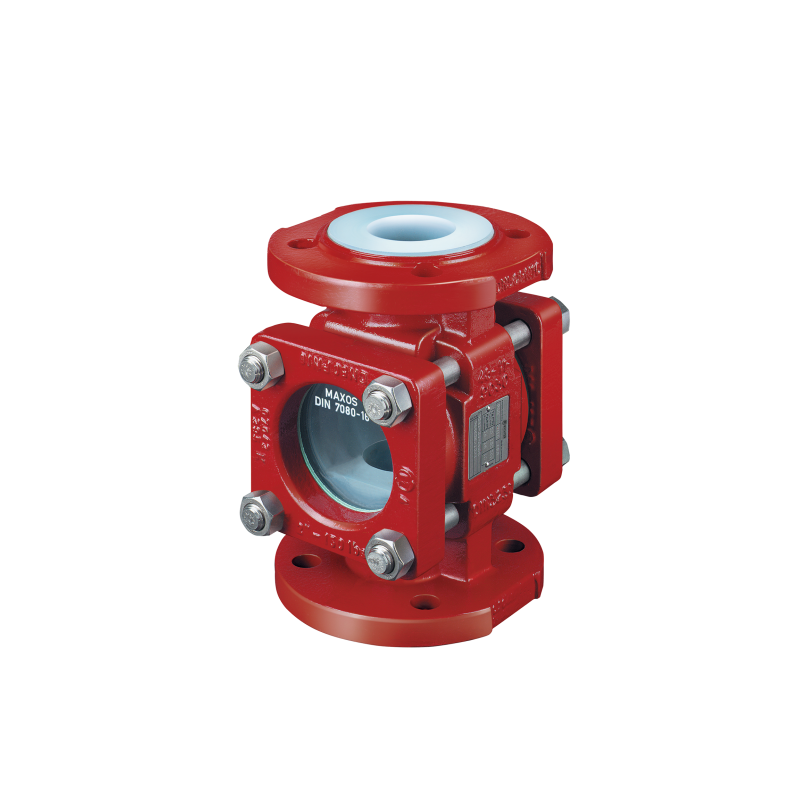



Where LibertyCES specs Sensing & Control equipment
Frequently Asked Questions
What's the real difference between radar and ultrasonic level sensing?
Both are non-contact level technologies, but they respond differently to vapor, foam, dust, and turbulence in the tank — the right choice depends on the specific application conditions, not just the tank size. See LibertyCES's Radar vs. Ultrasonic Level Sensing Guide for the full comparison built from real vendor data (Flowline, GF Signet).
What does a motor power monitor detect that a standard overload relay misses?
A power monitor watches the pump's actual electrical load pattern. When suction is lost, hydraulic load — and therefore motor power draw — drops before motor current rises enough to trip a standard overload relay. Finish Thompson's M20 power monitor, for example, provides four levels of protection specifically to catch dry running, deadheading, decoupling, and priming loss before a standard relay would react.
Why does instrumentation get added to a system?
Per the Zero-Guesswork Instrumentation Specification gate, every instrument should close a specific, identified failure mode — flow, pressure, level, low-low level, temperature, leak detection, or power monitoring — not get added because a generic template says to include it. An instrument with no defined failure mode it protects against is instrumentation without a purpose.
What's a control narrative, and why does a P&ID need one?
The control narrative defines automatic vs. manual operation, permissives, interlocks, alarm levels, fail positions, and duty/standby sequencing — the logic that ties instruments together into an actual response. A P&ID with instruments listed but no defined control narrative is incomplete; the instruments alone don't specify what the system actually does when a condition is detected.
Send LibertyCES the process data, not a part number
Fluid, chemistry, concentration, temperature, flow, pressure, line size, and current equipment — that's what a real spec review needs to start.
Ready to buy or need a fast answer? Call, text, or email James directly — (559) 395-5500 · [email protected].