
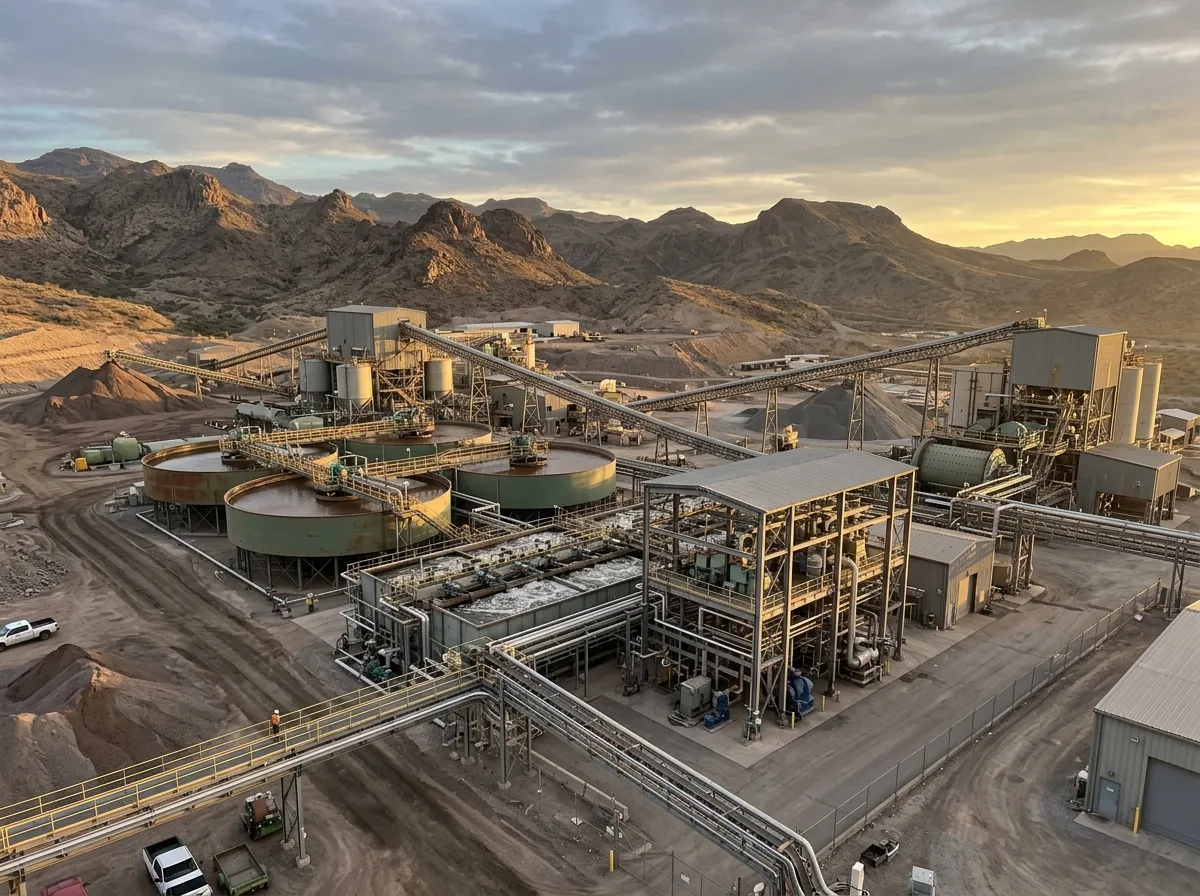
Mining Pump Solutions: Peristaltic, EODD, and Mag Drive for Industrial Operations
The pump specification problem — three distinct pump technologies with unique strengths that overlap in some duties, each addressing a different primary failure mode. Getting the technology wrong causes premature component failure, repeated maintenance, and unnecessary downtime.
Matching Pump Mechanics to Mining Failure Modes
Three pump technologies can overlap in some mining duties, but each addresses a different primary failure mode. Getting the technology wrong can cause premature component failure, repeated maintenance, and unnecessary downtime.
The selection starts with the duty: the actual chemical or slurry, concentration, temperature, pressure, required flow and head, specific gravity, viscosity, solids, suction conditions, duty cycle, controls, and containment requirements.
The Graco SoloTech, Graco QUANTM, and Finish Thompson DB Series represent three different mechanical approaches. The correct choice depends on the real service conditions, not on a catalog category or a single maximum-flow number.
Three Pump Designs for Three Distinct Mining Duties
Use the primary failure mode to screen the technology, then verify the complete operating envelope and wetted-material configuration with manufacturer data.
Reagent Dosing & Abrasive Slurry Transfer → Graco SoloTech
The Graco SoloTech peristaltic hose pump isolates the process fluid inside the hose. The process fluid does not contact a dynamic process shaft seal or wetted check valves, removing two common wear and plugging points in abrasive or caustic service. Final hose and barb selection still depends on the chemical, concentration, temperature, solids, pressure, and duty cycle.
Read the Peristaltic Mining GuideAODD Replacement, Dewatering & Remote Sites → Graco QUANTM
The Graco QUANTM electric double diaphragm pump (EODD) replaces compressed-air drive with an electric drive. Graco states energy-cost reductions of up to 80% compared with pneumatic pumps. Its remote-control capability can support engineered remote installations with an engineered electrical supply, subject to the selected model, controls, hazardous-location requirements, and site design.
Compare EODD vs. AODD in MiningCorrosive Chemical Containment → Finish Thompson DB Series
The Finish Thompson DB Series magnetic-drive pump eliminates the rotating process shaft seal by coupling the motor and impeller magnetically across a containment shell. That architecture is designed for corrosive chemical transfer, including services involving sulfuric acid (H2SO4), hydrochloric acid (HCl), or sodium hydroxide (NaOH), when the selected PP or PVDF construction and every wetted component are verified for the actual concentration, temperature, pressure, and duty cycle.
Read the Mag-Drive Reagent Transfer GuideMining Pump Technology Selection Matrix
Use this table for initial technology screening. Maximum ratings are family-level manufacturer values and do not mean every material, model, impeller, hose, diaphragm, motor, or control configuration is suitable for the same duty.
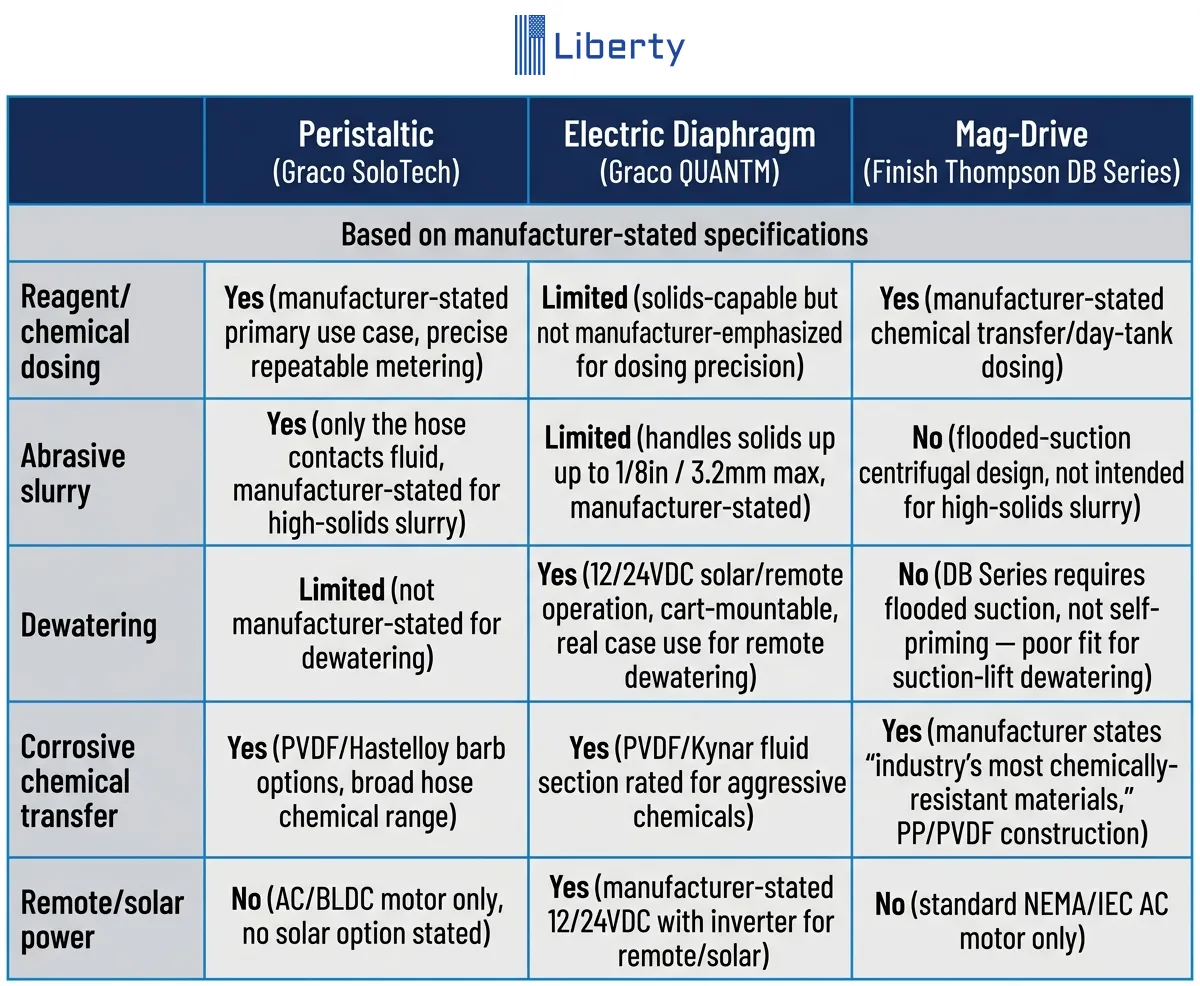
| Feature / Spec | SoloTech | QUANTM | FT DB Series |
|---|---|---|---|
| Flow | Up to 17.7 GPM | Up to 120 GPM | Up to 221 GPM |
| Max Pressure | 125 psi | 100 psi (i30/i80); 60 psi (i120/i120LP) | 90 psi |
| Best For | Slurry / reagent | AODD replacement / dewatering | Corrosive chemical transfer |
| Power | AC / BLDC | Electric (no air) | AC motor |
| Seal Design | Hose-isolated — no dynamic process shaft seal or wetted check valves | Diaphragm-isolated — no rotary process shaft seal | Magnetic drive — no dynamic shaft seal |
Compatibility and performance must be checked against the exact chemical, concentration, temperature, pressure, flow, head, specific gravity, viscosity, solids, suction conditions, duty cycle, controls, and manufacturer data.
Supporting Products & Campaign Guides
Explore wetted trim specs, manufacturer brochures, and engineering articles for SoloTech, QUANTM, and Finish Thompson DB Series pumps.
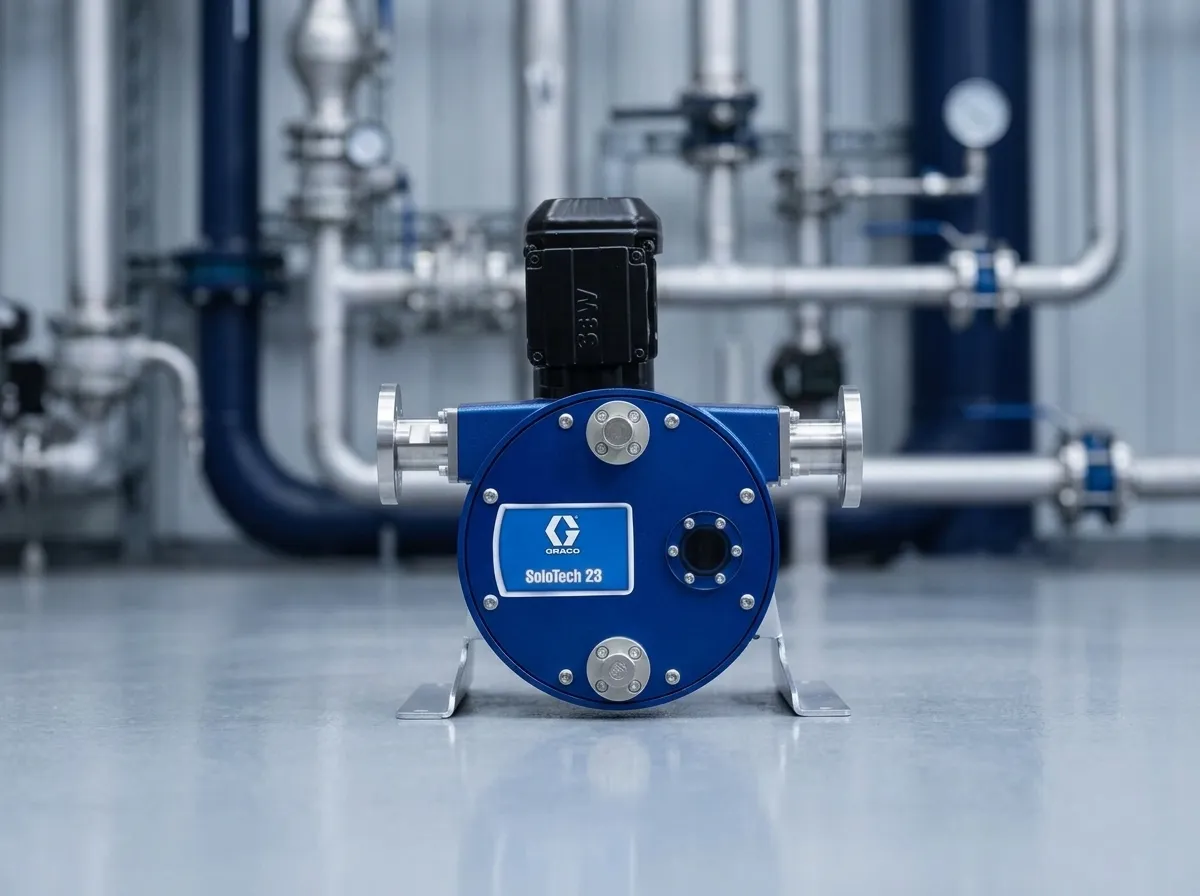
SoloTech Hose Pumps
Review flow capacity charts, motor controls, and wetted barb details for Graco's single-roller peristaltic hose pumps. Use the page to screen low-shear chemical metering and transfer duties.
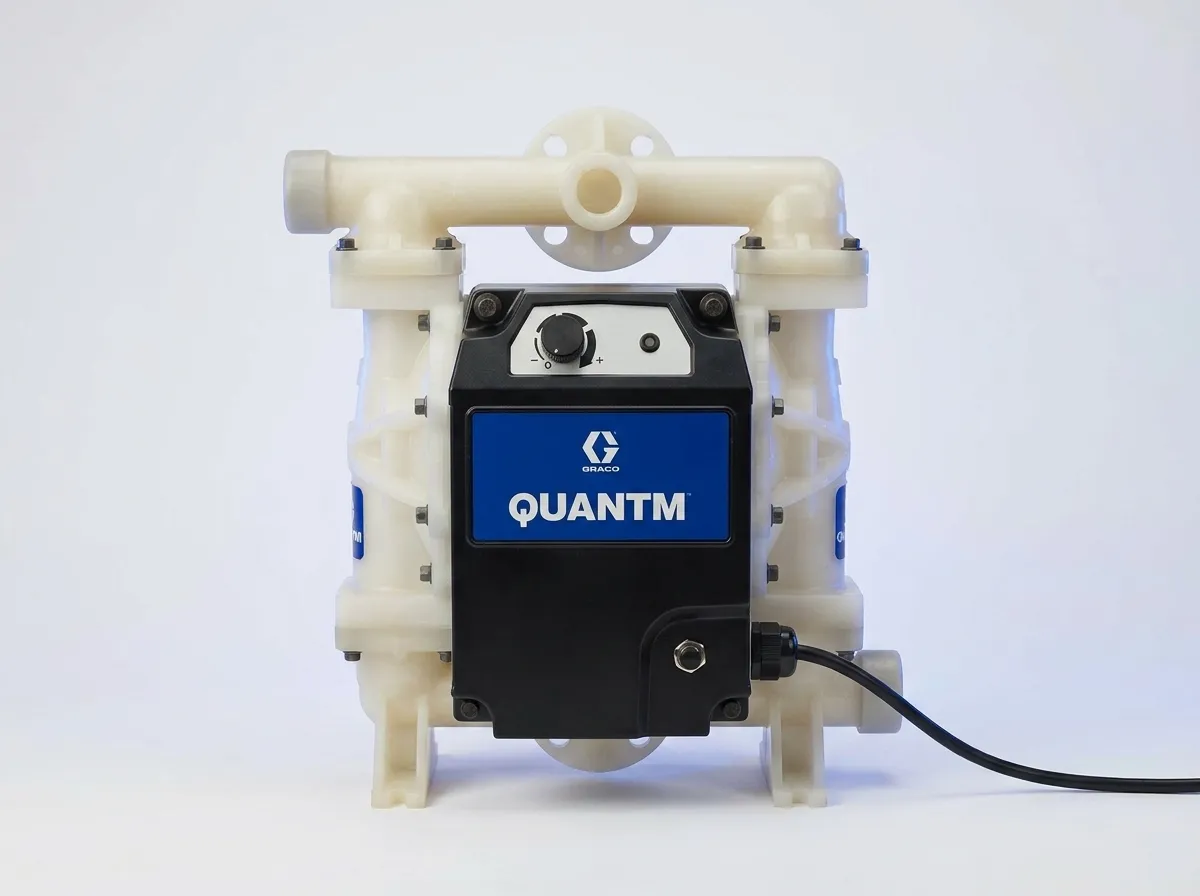
QUANTM EODD Pumps
Explore wetted casing materials (PP, PVDF, Stainless, Cast Iron), IE5 motor specs, electrical requirements, and remote-control integration options.

FTI DB Series Pumps
Inspect wetted dimensions, magnetic coupling torque capacities, and wetted materials of construction (Polypropylene and PVDF) for corrosive containment.
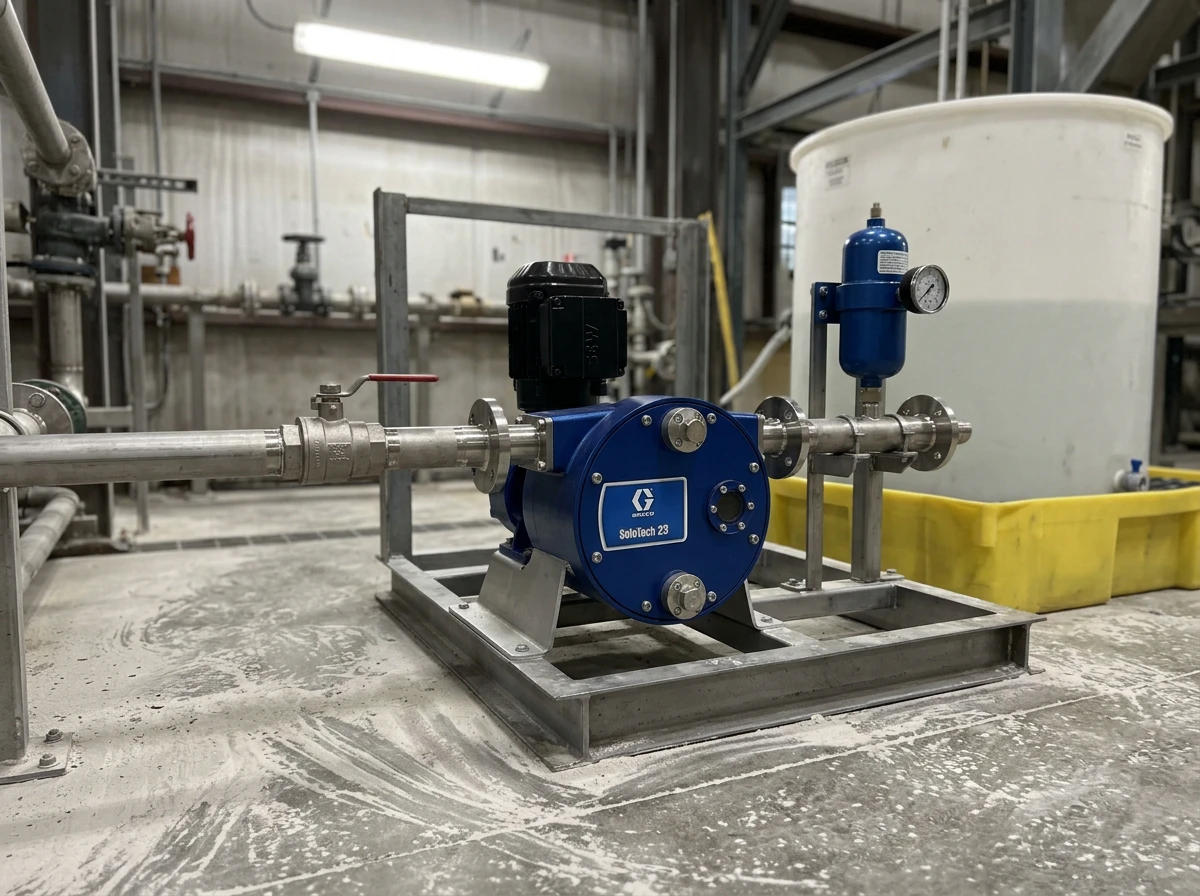
Peristaltic Dosing Guide
An engineering look at hose materials (Natural Rubber, EPDM, CSM, Nitrile) and wetted PVDF barbs handling lime slurry and aggressive float reagents.
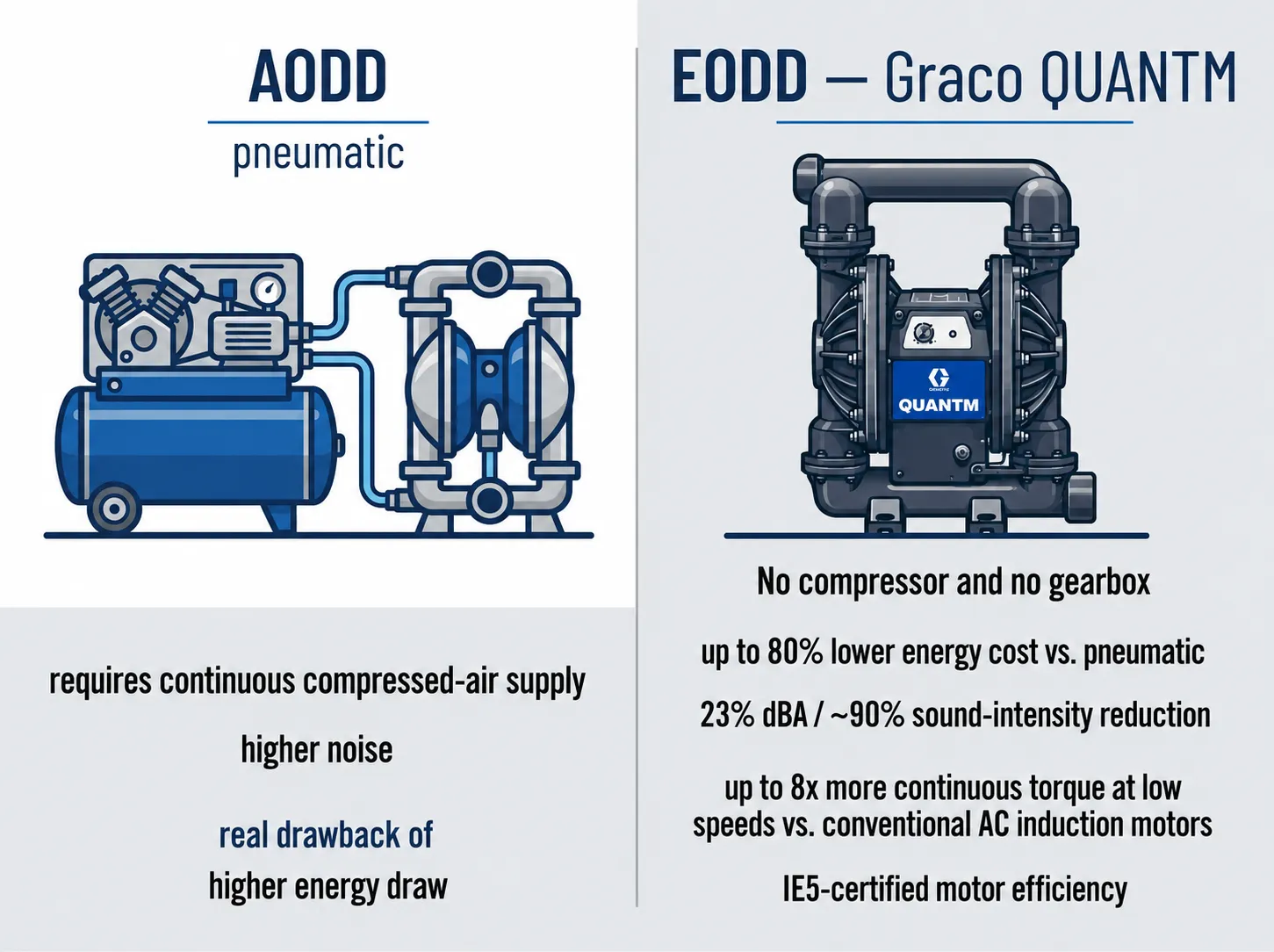
EODD vs. AODD Payback
Compare pneumatic AODD infrastructure and energy demand with electric diaphragm (EODD) operation for mine-site dewatering and transfer duties.
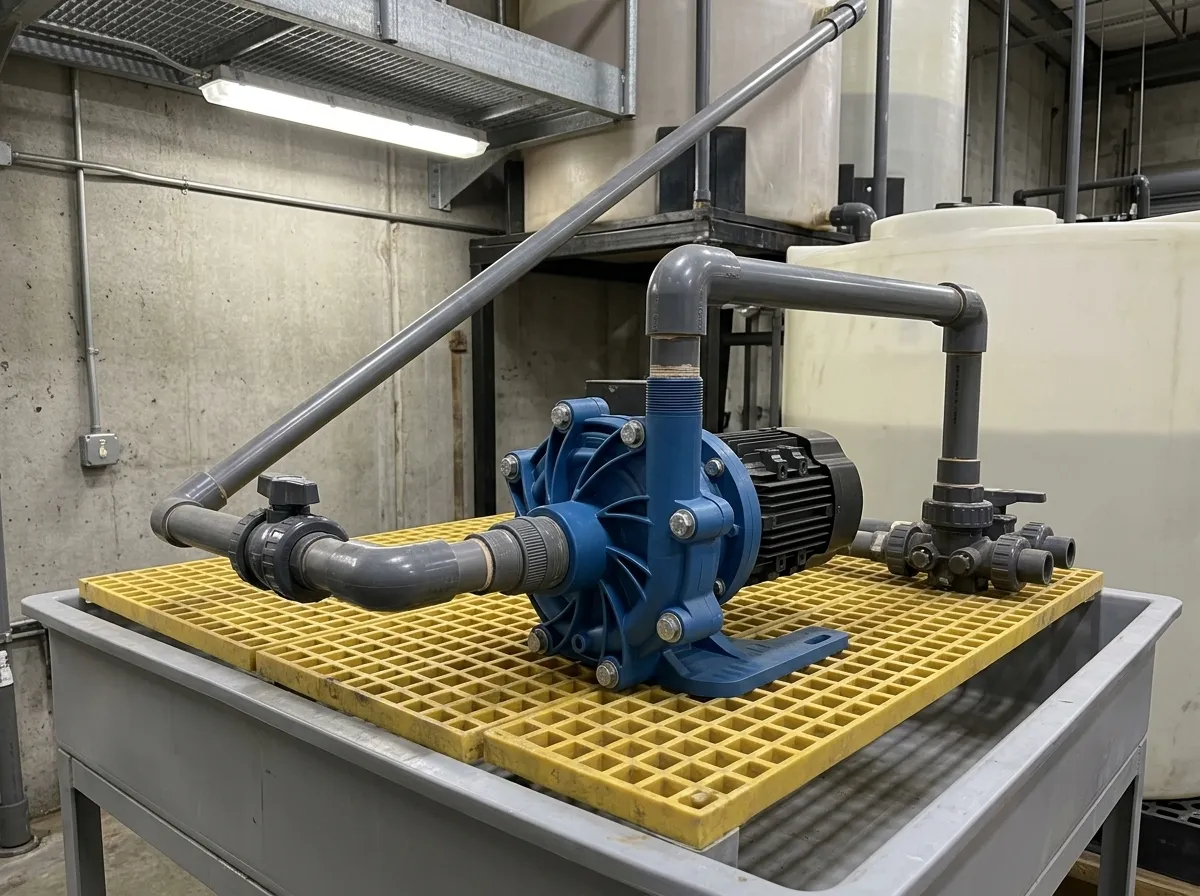
Mag-Drive Acid Containment
Technical analysis of sealless magnetic-drive pumps for sulfuric acid and caustic transfer where eliminating the rotating process shaft seal is a primary containment objective.
Internal Links & Campaign Resources
To view our manufacturer pages, chemical compatibility data sheets, and specific industry applications, consult the directory below. Every page in this campaign is linked to ensure seamless navigation for engineering and procurement planning.
Mining Pump Technology Selection Field Guide
Stop replacing the same worn impellers and leaking shaft seals. Get wetted material compatibilities, chemical handling guidelines, and utility energy calculations mapped specifically to mining environments.
Download the Selection Field Guide (PDF)
This comprehensive 6×9 booklet compares peristaltic hose, electric double-diaphragm (EODD), and magnetic-drive centrifugal pump technologies. Ground your next procurement decision in wetted compatibility charts, motor efficiencies, and real-world copper mine case studies.
Mining Pump Solutions FAQs
Why do mechanical seals fail in mining pump service?
Mechanical seals fail because abrasive slurry particles migrate between the seal faces, causing rapid scoring and leakage, or because aggressive chemical reagents attack wetted seal elastomers. Sealless pumps like mag-drives, peristaltic hose, and EODD pumps eliminate dynamic wetted shaft seals entirely to prevent this failure path.
Why are peristaltic hose pumps chosen for reagent dosing?
Graco SoloTech peristaltic hose pumps isolate wetted chemicals entirely inside a single rubber hose, meaning there are no wetted shaft seals, check valves, or impellers to wear out. The variable-speed BLDC controller delivers precise metering, making it ideal for viscous flocculants and abrasive lime slurries.
How do electric double diaphragm (EODD) pumps compare to AODDs?
EODD pumps like Graco QUANTM run on highly efficient transverse-flux electric motors instead of compressed air, saving up to 80% in energy costs. They also enable remote SCADA monitoring, run-dry capabilities, and 12/24VDC inverter setups for solar-powered dewatering at remote sites.
When should I specify a sealless magnetic-drive centrifugal pump?
You should specify a mag-drive pump (like Finish Thompson's DB Series) for corrosive wetted transfer where fluid containment is critical (e.g. handling concentrated sulfuric acid or caustic soda). The sealless design isolates chemicals inside a hermetic containment shell, eliminating dynamic leak paths.
Get a Mining Pump Wetted Spec Check
Before purchasing or replacing another pump, check wetted chemical compatibilities, pressures, temperatures, and motor efficiencies. Getting the technology wrong can cause repeated seal damage and downtime. Send LibertyCES your service conditions, and our engineering team will help verify the correct configuration.
Send LibertyCES your service conditions and we'll help verify the correct pump configuration.
Questions? Contact LibertyCES directly.
(559) 395-5500 sales@libertyces.com james@libertyces.com libertyces.com