Precision pH Control for Industrial Wastewater
LibertyCES engineered a closed-loop industrial wastewater pH control system for a major U.S. cheese plant using electric chemical dosing pumps, inline pH sensors, PLC logic, and SCADA feedback.
30+ years spec experience. Send James the process data and get a real answer — not a catalog page.
Request a Spec Review →The Challenge
- No reliable pH sensor feedback made corrections guesswork-based
- Overshooting driven by batch flow swings, lag time, delayed control response
- Fouled probes delayed dosing cycles
- Manual dosing adjustments caused 18–25% chemical overuse
- Permit compliance risk when pH swings moved outside required range
The Solution
- Closed-loop logic for real-time chemical feed correction via PLC
- Inline pH sensors for feedback before overcorrection
- Electric chemical dosing pumps for controlled low-flow precision
- SCADA integration for continuous data-driven visibility
- 24% chemical savings documented in sulfuric acid and KOH usage
"Since Liberty installed the system, our operators finally trust the numbers on screen — no more guessing, no more violations." — Plant Engineer

The active Graco QUANTM dosing skid handling 50% sulfuric acid and 45% KOH feed inside its containment cabinet.

Labeled 50% sulfuric acid and 45% potassium hydroxide storage tanks feeding the closed-loop dosing system.

Bulk chemical storage at the Central Valley cheese processing facility, sized for continuous 125,000 GPD dosing demand.
Stabilizing 125,000 GPD of industrial wastewater for one of the nation's largest dairy cooperatives required more than a pump swap — inline sensors, PLC logic, and SCADA visibility turned manual correction into controlled chemical feed at a facility running continuous, high-volume cheese production.
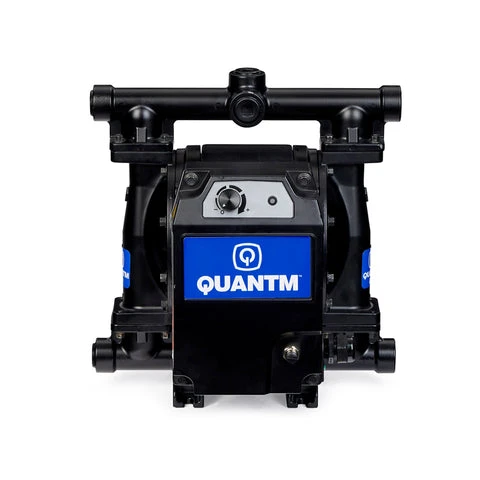
Electric diaphragm dosing designed for precise chemical feed and continuous-duty control.

Smooths discharge flow and helps reduce pressure shock to downstream instrumentation.

Provides chemical isolation between corrosive process fluid and pressure instrumentation.

Automated thermoplastic valve selected for chemical service and control integration.

Chemical-resistant process piping specified for acid feed routing and system reliability.

Double-wall containment design that may help simplify secondary containment planning.
What is a closed-loop wastewater pH control system?
Uses real-time pH sensor feedback, automated dosing pumps, and control logic to adjust chemical feed automatically. Instead of relying on manual corrections, the system responds to changing wastewater conditions as they happen.
Why do industrial wastewater systems overshoot pH?
Overshooting often happens when chemical dosing is delayed, manually adjusted, or based on poor sensor feedback. Batch flows, lag time, fouled probes, and aggressive chemical feed can push wastewater beyond the target pH range.
How did LibertyCES reduce chemical waste?
Used inline pH sensors, electric chemical dosing pumps, PLC logic, and SCADA feedback to make dosing more precise, reducing overcorrection and lowering sulfuric acid and KOH usage.
What industries need automated pH control?
Food and beverage plants, dairies, cheese plants, industrial manufacturing, municipal wastewater pretreatment, chemical processing, and facilities with regulated wastewater discharge limits.
Stop guessing on wastewater pH compliance
Ready to buy or need a fast answer? Call, text, or email James directly — (559) 395-5500 · [email protected].