
Chemical Feed System Skids for Transfer, Dosing, Containment & Controls
A reliable chemical feed system is not a pump mounted on a frame. It is a complete fluid path engineered around the chemical, hydraulic duty, metering accuracy, pressure control, isolation, containment, leak response, automation, and maintenance environment.
What Is a Chemical Feed System?
A chemical feed system stores or receives chemical, moves it from the source, meters or transfers it at the required rate, controls pressure and backflow, injects it into the process, contains credible leaks, and reports the operating state to the operator or control system.
The pump matters, but pump selection alone does not create a reliable skid. The complete design must account for suction conditions, discharge pressure, chemical compatibility, off-gassing, viscosity, solids, required turndown, relief paths, valve serviceability, leak detection, control logic, and maintenance access.
Verify the Whole Wetted Path
Check every pump component, tube, pipe, valve body, seat, seal, O-ring, diaphragm, gasket, instrument connection, and injection fitting against the real service.
Calculate Suction and Discharge
Use static head, friction, elevation, back pressure, pump shutoff, blocked-discharge exposure, minimum flow, and the full operating range.
Contain and Detect Credible Leaks
Match the containment volume, routing, sensor type, alarm location, shutdown sequence, and recovery method to the chemical and site consequence.
Design for the People Maintaining It
Isolation, drain-down, flushing, calibration, tube or pump service, valve removal, access, labeling, and commissioning must be planned before fabrication.
The Complete Chemical Feed System Fluid Path
A defensible skid begins by mapping every stage from the chemical source to the process injection point. Each stage has a separate function, failure mode, and material decision.

Chemical Source
Tank outlet, day tank, tote, drum, or bulk unloading connection. Confirm level, venting, outlet geometry, suction elevation, temperature, and the source-side isolation strategy.
Suction Conditioning
Strainers, flooded suction, foot valves, degassing provisions, calibration columns, flushing, and line sizing must support the selected pump without excessive vacuum or gas accumulation.
Transfer or Metering Pump
Select the pump architecture for the actual duty: bulk movement, precision feed, high pressure, off-gassing chemistry, viscosity, solids, run-dry exposure, and required turndown.
Pressure Management
Relief, back-pressure control, pulsation dampening, minimum-flow return, anti-siphon protection, and pressure indication protect the pump and stabilize delivery.
Isolation and Service
True-union valves, drains, flush connections, bypass decisions, removable spools, and safe depressurization determine whether maintenance is controlled or improvised.
Injection and Process Interface
Injection hardware, backflow prevention, quill material, mixer or contact point, process pressure, and control signal connect the skid to the actual treatment or production objective.
Separate Chemical Transfer From Precision Metering
Many systems fail because a single pump is forced to cover two different jobs. Transfer duty moves chemical between locations. Metering duty delivers a controlled amount into a process. The correct chemical feed system may use one architecture or two coordinated pumping stages.
| Decision | Chemical Transfer Duty | Chemical Metering Duty |
|---|---|---|
| Primary objective | Move inventory between source, day tank, process, or unloading point | Deliver a controlled dose or flow tied to process demand |
| Typical design focus | Required flow and head, suction conditions, continuous or batch duty, containment, and material compatibility | Accuracy, repeatability, turndown, discharge pressure, anti-siphon protection, calibration, and control signal |
| Potential pump families | Sealless magnetic-drive centrifugal, AODD, EODD, hose, drum, or other process pumps depending on service | Peristaltic, diaphragm, piston, or other positive-displacement metering technologies depending on the chemical and control objective |
| Common selection error | Choosing from nominal flow alone without checking system curve, specific gravity, viscosity, solids, or minimum flow | Choosing from maximum capacity alone without checking turndown, gas binding, suction conditions, back pressure, and verification method |
| Required protection | Dry-run or low-flow detection, relief or minimum-flow strategy where applicable, level permissives, and isolation | Relief, back-pressure or anti-siphon control where applicable, calibration or flow verification, and chemical-specific leak response |
Candidate pump families are screening categories, not final approvals. The actual selection depends on chemical concentration, temperature, pressure, specific gravity, viscosity, solids, duty cycle, controls, and manufacturer data.
Every Component Must Eliminate a Known Failure Mode
The source page correctly centered the skid on sealless transfer, valve-free metering, serviceable isolation, and automated protection. The rebuild keeps that purpose while qualifying each technology against its actual operating limits.

Sealless Magnetic-Drive Pumping
A magnetic-drive centrifugal pump removes the rotating shaft mechanical seal, reducing one common external leak path. It does not eliminate every failure mechanism.
- Verify the system curve, specific gravity, viscosity, temperature, solids, vapor behavior, and minimum flow.
- Protect against dry running, blocked suction, deadhead, decoupling, and operation outside the intended range.
- Verify housing, impeller, shaft, bushings, O-rings, gaskets, and containment-shell materials as one wetted system.

Peristaltic Metering for Difficult Suction Conditions
Peristaltic pumps move chemical by compressing a replaceable tube. The pumping mechanism has no suction or discharge check valves, which can be useful for off-gassing, crystallizing, or solids-bearing services.
- Tube material, pressure rating, speed, chemical permeation, temperature, and expected tube life must be verified.
- System-level relief, anti-siphon, backflow, isolation, and injection requirements still apply.
- Maintenance becomes predictable only when tube replacement is built into the operating plan.

True-Union Thermoplastic Valves
True-union construction allows the valve body to be removed without cutting the surrounding line. That improves serviceability, but the valve still has a complete material and pressure specification.
- Verify body material, seat, O-ring or seal, stem, connection, pressure-temperature rating, cavity behavior, and chemical exposure.
- Place isolation so pumps, instruments, calibration devices, and injection hardware can be serviced safely.
- Plan drain-down, flushing, trapped chemical, and thermal expansion before deciding valve locations.
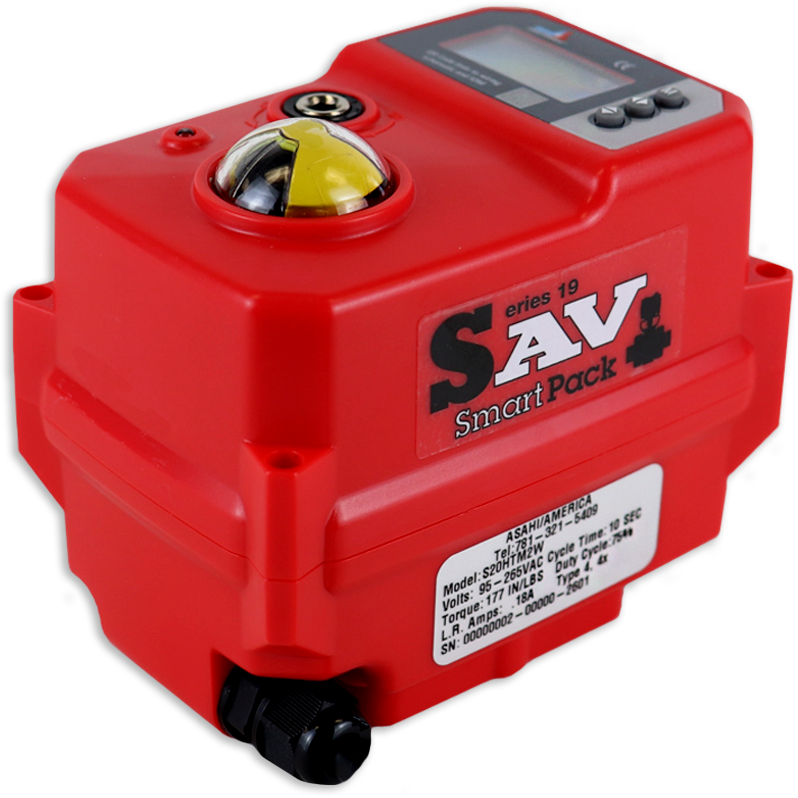
Electric Valve Actuation and Interlocks
Electric actuation can provide remote commands, position indication, alarms, and integration with PLC or SCADA logic when the selected actuator and accessories support the required I/O.
- Define on/off or modulating duty, torque, cycle frequency, enclosure, area classification, local controls, and feedback.
- Select fail-open, fail-closed, or fail-in-place from the process hazard analysis—not from a generic preference.
- Coordinate valve travel, pump permissives, leak alarms, tank level, pressure, and emergency shutdown logic.
Secondary Containment Is a System — Not a Pan Under the Pump
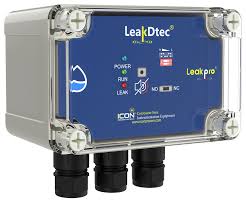
Containment must cover the credible release path and provide a defined method to detect, isolate, recover, and safely service the leak. The correct approach may include a skid basin, cabinet, double-wall pipe, remote sump, interstitial monitoring, or a combination.

Contain the Credible Volume
Define the release scenario, available containment volume, drainage path, chemical segregation, rain or wash-water exposure, and how responders will remove the captured liquid.
Place Sensors Where Fluid Reaches Them
Sensor location must follow slope, low points, cabinet geometry, pipe annulus design, and the likely leak path. A sensor that remains dry during the design-basis leak is not protection.
Program a Defensible Response
Decide whether detection creates a local alarm, remote alarm, pump stop, valve isolation, flush sequence, redundant confirmation, or operator verification before shutdown.
Test the Entire Cause-and-Effect
Commissioning should prove sensor response, alarm transmission, shutdown timing, valve position, pump permissives, reset logic, and the operator procedure—not merely verify that the sensor has power.
Regulatory note: Secondary containment and leak-detection requirements vary by chemical, quantity, route, occupancy, environmental consequence, code, permit, and jurisdiction. Do not represent one skid configuration as universally code-compliant.
What a Properly Specified Chemical Feed System Is Designed to Prevent
A complete skid does not promise that nothing can ever fail. It reduces known failure risk, detects abnormal conditions earlier, and gives operators a controlled response.
Mechanical-Seal Leakage
Use sealless transfer where appropriate, or select and monitor a sealed pump with the correct seal plan, materials, flush, operating envelope, and maintenance strategy.
Gas Binding and Loss of Prime
Account for chemical off-gassing, suction lift, head orientation, degassing, line routing, source level, temperature, and pump technology before the skid is fabricated.
Overpressure and Deadhead
Provide a verified relief path, pressure instrumentation, blocked-discharge analysis, minimum-flow strategy, and control interlocks appropriate to the pump type.
Dry Running and Decoupling
Use level, flow, power, pressure, temperature, or other protection appropriate to the pump. Set trip logic from actual testing and manufacturer guidance.
Wrong Elastomer or Tube
Verify concentration, temperature, pressure, exposure time, cleaning chemistry, and the exact material grade. A correct pump body does not compensate for an incompatible O-ring or tube.
Silent Containment Failure
Design the containment route, sensor location, alarm, shutdown, inspection, and proof-test so the first indication is not chemical outside the skid.
Eight Steps to a Defensible Chemical Feed System Specification
Use this sequence before releasing a pump skid, chemical dosing system, transfer package, valve schedule, or containment design for purchase.
- Define every chemical and operating stateList the normal chemical, concentration range, impurities, cleaning fluids, rinse water, credible cross-contamination, startup, shutdown, and upset conditions.
- Separate transfer duty from metering dutyDefine which pump moves bulk chemical and which pump must deliver a controlled dose. Record minimum, normal, and maximum flow for each duty.
- Calculate the hydraulic envelopeDocument suction lift or flooded suction, static head, friction loss, discharge pressure, pump shutoff conditions, line size, velocity, and required turndown.
- Verify the complete wetted pathCheck pump internals, tubing or pipe, valve body, seats, seals, O-rings, diaphragms, gaskets, injection hardware, instruments, and containment materials against current manufacturer data.
- Select pressure-control and protection devicesDetermine the need for relief, back-pressure control, pulsation dampening, anti-siphon protection, calibration, flushing, minimum-flow control, and dry-run protection.
- Engineer containment and leak responseDefine the containment volume, drainage, double-wall routing, sensor locations, alarm thresholds, shutdown logic, access, and recovery plan.
- Define controls and the safe stateSpecify local and remote commands, 4-20 mA or pulse signals, feedback, alarms, valve fail position, pump permissives, interlocks, and SCADA integration.
- Complete manufacturer and project reviewReconcile the final skid with manufacturer limits, project standards, code, authority having jurisdiction, process-safety findings, installation details, and commissioning requirements.
Send the Real Service Conditions
Provide the chemical, concentration, temperature, transfer and dosing rates, suction conditions, discharge pressure, specific gravity, viscosity, solids, vapor behavior, duty cycle, utilities, controls, area classification, containment requirement, and applicable standards. LibertyCES can then review the complete system instead of guessing from a chemical name.
Start the Chemical Feed ReviewContinue the Chemical Feed System Review
Chemical Feed System Skid FAQ
What is a chemical feed system?
A chemical feed system stores, transfers, meters, conditions, and injects a chemical into a process at a controlled rate. A complete system may include the source tank connection, suction piping, transfer or metering pump, isolation valves, calibration or verification devices, pressure-control accessories, injection hardware, secondary containment, instrumentation, and control logic.
What is the difference between a chemical transfer pump and a metering pump?
A transfer pump moves chemical from one location to another, usually at a comparatively higher flow rate. A metering pump delivers a controlled volume or flow into a process. Some skids require both: a bulk transfer stage and a separate precision chemical feed stage.
Can a magnetic drive pump run dry?
Most conventional magnetic-drive centrifugal pumps depend on the pumped liquid to cool and lubricate internal components. Dry running can overheat bearings, bushings, shafts, and containment components. The final design should include a verified minimum-flow condition and appropriate power, flow, level, or temperature protection.
Do peristaltic pumps use check valves?
The pumping mechanism does not require suction and discharge check valves because flow is created by compressing flexible tubing. The surrounding system may still require isolation, pressure relief, anti-siphon, backflow prevention, or injection hardware depending on the process.
When should a chemical feed skid use double containment?
Use a consequence-based review. Double containment may be justified for hazardous chemicals, buried or inaccessible routes, occupied or environmentally sensitive areas, and services where a primary leak cannot be allowed to reach the surrounding space. The exact requirement depends on the chemical, route, applicable code, jurisdiction, and site risk analysis.
How does a leak detection system work on a chemical skid?
Sensors are placed in a sump, containment pan, cabinet, or the interstitial space of a double-contained line. The alarm can provide local indication, report to a PLC or SCADA system, and initiate a defined shutdown or isolation sequence. Sensor material, placement, testing, fail-safe behavior, and response logic must match the chemical and containment geometry.
Why use true-union valves on a chemical feed system?
True-union valves allow the valve body to be removed from the line without cutting adjacent pipe. That can reduce maintenance time and limit disturbance to the surrounding piping. Body, seat, O-ring, diaphragm, connection, pressure, temperature, and chemical compatibility still require project-specific verification.
What information is required to specify a chemical feed skid?
Provide the exact chemical and concentration range, temperature, required transfer or dosing rate, suction conditions, discharge pressure, specific gravity, viscosity, solids, vapor or off-gassing behavior, duty cycle, available utilities, control signal, area classification, containment requirements, materials standards, and maintenance-access constraints.
Specify the Complete Chemical Feed System Before the Skid Is Built
Do not approve the pump, valves, tubing, containment, instruments, and controls as disconnected line items. Send the real service conditions so the full skid can be reviewed as one operating system.
Direct engineering line: James Riggins — 559-395-5500