
ENGINEERED FLOW CONTROL • VALVES • ACTUATION • SCADA-READY
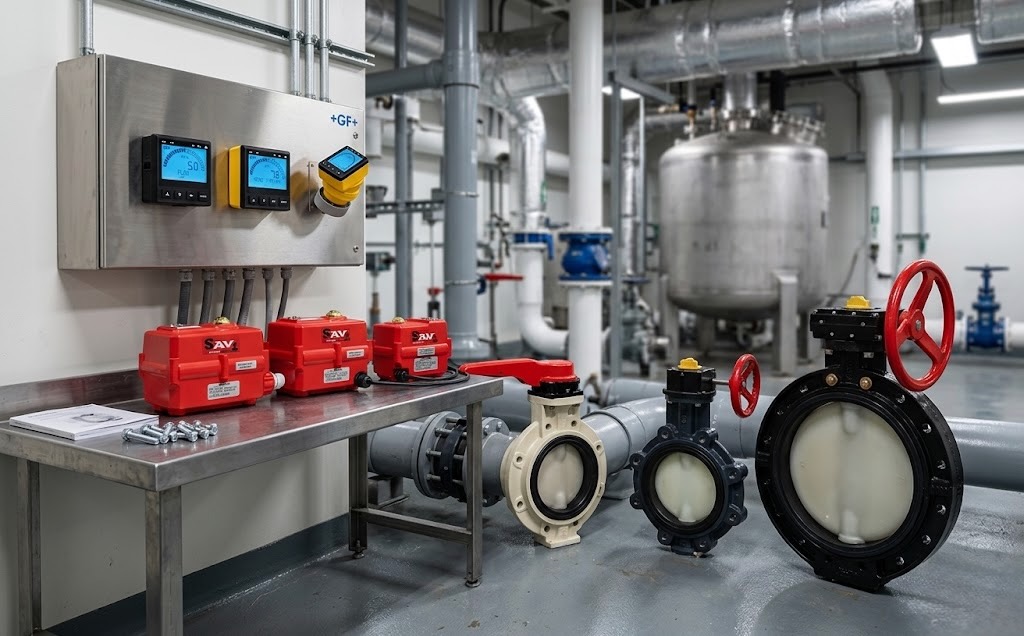
Industrial Valves, Actuators, and Engineered Process Control
The Zero-Spec-Failure standard — bridging complex chemistry, mechanical reliability, and automation so your system performs when it matters most. This hub connects piping, valves & fittings, valve actuation & SCADA, instrumentation & monitoring, and pump and control packages into one spec-first workflow.
The James Factor™
A single specification miss can trigger cascading downtime, rework, and safety risk. LibertyCES exists to prevent that. James Riggins has spec’d 100+ municipal and industrial projects — down to valve bodies, seats, gaskets, and actuation logic — with a reputation built on zero spec-failure outcomes. We don’t just ship parts; we engineer reliability across the full fluid path.
Prefer direct? Send drawings/specs for a fast recommendation or visit the James Riggins engineering profile.
HIGH-VOLUME KEYWORD HUB
Industrial Valves • Actuators • SCADA & Smart Metering
This page is engineered as a reference hub — broad enough to match how buyers search, and deep enough to win the high-intent technical decisions that determine reliability. Use it alongside Piping, Valves & Fittings, Industrial Process Piping Systems, and Valve Automation Supply to move from problem identification to exact specification.
Industrial Valves
Isolation, throttling, pressure control, and chemical feed valves specified by duty, chemistry, temperature, solids, and required shutoff class.
- Ball • Butterfly • Check • Diaphragm • Plug • Knife Gate
- Thermoplastic (PVC/CPVC/PP/PVDF) + metal/lined options
- Severe service selection for slurry, brine, abrasive, and high-ΔP conditions
Actuators & Automation
Electric and pneumatic packages designed for real plant conditions: torque margins, feedback, fail-safe behavior, and hazardous location requirements.
- Electric + pneumatic actuator options for on/off and modulating control
- Pre-matched assemblies to reduce field guesswork
- Position feedback + limit switching designed into the submittal
SCADA & Smart Metering
The digital layer of the operation — visibility, alarms, interlocks, and remote control so valves do what the process requires instead of what the last tech guessed.
- Automation-ready valves with command + feedback expectations defined upfront
- Instrumentation + controllers as the visibility layer of the system
- Use cases: dosing systems, remote sites, compliance-driven facilities
INTERNAL LINK NETWORK
Explore the Industrial Flow & Piping Subcategories
Built to cross-link your high-intent pages consistently — with clean anchor text, mobile-first cards, and navigation that keeps engineers inside the LibertyCES spec ecosystem.
SEVERE DUTY TECHNOLOGY
Severe Duty & Corrosion Resistant Valve Technologies
We spec by failure mode — not by what’s cheapest on paper. Thermoplastics where chemistry destroys metal, and engineered metal/lined designs where temperature, pressure, or solids demand it. Pair these technologies with industrial process piping, fittings and flanges, and process instrumentation for a full engineered package.
Thermoplastic Specialists (Hayward • Asahi)
Built for chemical service where corrosion, off-gassing, and compatibility drive the design — not just “stainless vs. plastic.” These selections commonly interface with thermoplastic piping systems and chemical feed skid systems.
- Materials: PVC, CPVC, PP/GFPP, PVDF matched to chemical duty
- Actuated packages for automation-heavy plants and SCADA-controlled facilities
- From small ball valves to large-bore butterfly service when chemistry demands it


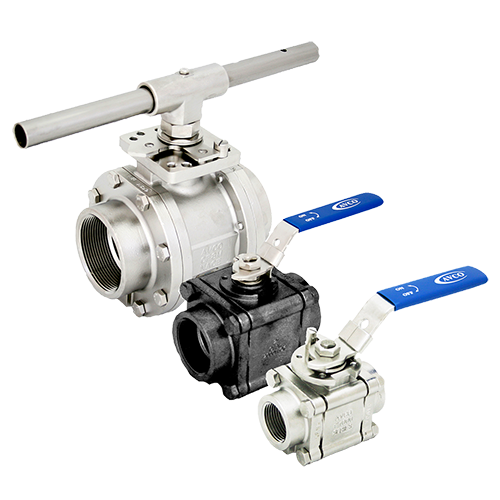
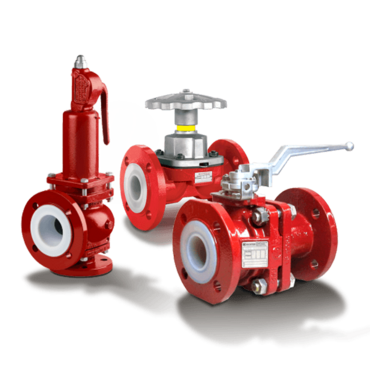
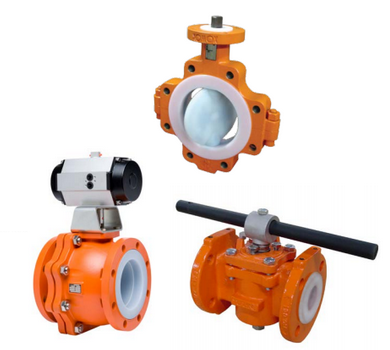
Metal & Lined Specialists (AVCO • XOMOX • Richter)
For high temperature, high pressure, severe isolation, and abrasion — where geometry, shutoff class, and seat technology prevent leaks, torque spikes, and premature wear. These recommendations often tie into actuation packages and high-consequence treatment systems.
- Triple Offset Butterfly Valve for bubble-tight shutoff in severe service
- Double Block & Bleed (DBB) for verifiable isolation and safety
- Lined valve technologies for aggressive chemistry at elevated temperatures
ENGINEERING STANDARDS
Engineering Standards & Sizing (ASME • API)
Compliance is not optional in municipal and chemical service. We validate compatibility and selection details so the submittal is clean — and the plant runs without surprises. This often overlaps with process piping, flange and fitting selection, and instrumentation logic.
ASME B31.3 Process Piping
Valve selection under process piping requirements includes material compatibility, pressure class, joining method, and service conditions.
- Pressure class aligned to maximums + transients
- Connection strategy: flanged vs. welded vs. unions
- Selection logic that supports clean submittals
Control Valve Sizing (Cv)
We size for stable control — preventing cavitation, noise, hunting, and premature seat wear.
- Validate flow range + ΔP across operating envelope
- Target stability and avoid oversized control valves
- Check cavitation/flash potential for liquids
API 6D & Critical Isolation
When isolation must be provable, DBB strategies and shutoff class selection matter for safety.
- DBB logic: two seals + bleed for verifiable isolation
- Seat technology matched to duty
- Fail-safe strategy when “closed” must mean closed
FAILURE-MODE CONTENT
Rapid Diagnostics: Why Valves Leak, Stick, or Fail Early
This is the real-world layer that separates a catalog from an authority hub: identify the leak path, then correct the spec root cause. For broader system issues, connect this section with pump and control selection, monitoring and alarms, and LibertyCES case studies.
Through-Valve Leakage (Passing)
Seat damage, debris, wrong seat material, or erosion from solids/cavitation.
- Cycle fully open/closed to clear debris if process allows
- Confirm seat/elastomer compatibility with the chemical
- Check ΔP and flashing/cavitation conditions
External Leakage (Packing/Stem)
Packing load, vibration, thermal cycling, or scored/corroded stems.
- Evenly tighten packing gland and avoid over-compression
- Inspect stem for scoring or corrosion
- Confirm actuator alignment and side-loading
Actuation / Position Failure
Torque undersize, supply issues, wiring/logic errors, or mechanical binding.
- Verify breakaway torque margin and safety factor
- Check moisture and pressure stability for pneumatics
- Confirm limit switch/feedback wiring for control systems
Want a fast root-cause spec correction?
Send photos of the failed component (stem/seat/body marking), your chemical + concentration, temperature range, line size, and control method (manual/electric/pneumatic/SCADA). We’ll tell you what to change so it doesn’t happen again.
FREQUENTLY ASKED SPEC QUESTIONS
The 8 Questions Engineers Ask Before They Spec Valves & Actuation
Structured for fast scanning: direct answer → selection logic → “James Factor” insight.
1) How do you select the right industrial valve for high-pressure systems?
Select high-pressure valves by pressure class + seat integrity first, then confirm connection type and actuator torque margins.
- Pressure class: match maximum operating + transient pressures
- Connection: flanged or welded for critical service; reduce weak points
- Torque margin: ensure the actuator can overcome breakaway torque under worst-case ΔP
2) What are the best materials for industrial valves in corrosive environments?
Thermoplastics (PVC/CPVC/PP/PVDF) are often best for chemical duty, while lined metals can be best when temperature/pressure exceed thermoplastic limits.
- PVC/CPVC: common for water treatment acids/caustics within temperature limits
- PP/GFPP: rugged, widely used for chemical handling and skid systems
- PVDF: high chemical resistance for aggressive duty and broader compatibility
- Lined options: for severe corrosives at elevated temperature/pressure
3) What is the difference between pneumatic and electric valve actuators?
Pneumatic actuators use compressed air for fast cycling and fail-safe options; electric actuators use motors/gears for precise positioning and straightforward controls integration.
- Pneumatic: fast cycle, strong for on/off isolation, spring return fail-safe options
- Electric: precise, convenient where air systems are unreliable
- Selection reality: the best actuator depends on torque, utilities, and safety requirements
4) How do SCADA systems integrate with industrial control valves?
SCADA integrates by sending command signals and receiving valve position/status feedback so operators can monitor, alarm, and control valves remotely.
- Commands: setpoints and open/close logic sent to the actuator/positioner
- Feedback: open/closed status, position feedback, faults/alarms
- Outcome: consistent operation, faster troubleshooting, fewer field guesses
5) When should you use a Triple Offset Butterfly Valve over a standard butterfly valve?
Use a Triple Offset Butterfly Valve when you need bubble-tight shutoff in severe service where resilient-seat butterfly valves can wear, leak, or fail under higher temperature/pressure.
- High temperature/pressure isolation
- Abrasive or demanding cycle conditions
- Critical shutoff where “closed” must mean closed
6) How do you calculate the correct Control Valve Sizing (Cv) to prevent cavitation?
Correct Cv sizing balances flow range and pressure drop so the valve controls smoothly without cavitation, flashing, or hunting.
- Determine required min/max flow
- Evaluate ΔP across operating conditions
- Check cavitation/flash risk and velocity limits
- Size for a stable operating band
7) How do you troubleshoot common industrial valve leakage and failure issues?
Start by identifying the leak path: through-valve leakage points to seat/trim; external leakage points to packing/stem issues.
- Stem leakage: inspect packing load and stem condition
- Seat leakage: debris damage, erosion, wrong seat material, cavitation
- Actuator issues: torque margin, supply/power reliability, feedback wiring
8) What is a Double Block and Bleed (DBB) valve and why is it critical for safety?
A DBB setup provides two independent sealing barriers with a bleed point between, enabling verifiable isolation for safer maintenance.
- Verifiable isolation: open the bleed to confirm no pressure passes
- Reduced risk for hazardous lines and critical shutdown conditions
- Cleaner safety logic when “closed means closed” matters
AUTHORITY LAYER
Meet James Riggins — The Zero-Failure Spec Standard
LibertyCES is built around one thing: preventing specification mistakes that create downtime, safety incidents, and expensive rework. This page connects directly with James’s profile, case studies, pumps & controls, instrumentation & monitoring, and storage tanks.
30+ Years • Compliance-Driven • Field-Proven
James Riggins is a 30+ year veteran in industrial chemical equipment, specializing in chemical feed systems, storage tanks, pumps & controls, instrumentation, and the flow control components that tie the system together. He is known for personally spec’ing projects to match process requirements, regulatory constraints, and operational goals — fast, clean, and code-aware.
What clients value most: clear selection logic, the right materials for the chemistry, correct pressure/temperature class, and actuation packages that work in the real world.
How we work: you send drawings/specs or photos of the problem, we confirm duty + chemistry + controls requirements, then we recommend the most reliable valve/actuation strategy for your operating envelope.
- Send your chemical + concentration + temperature range
- Include line size + pressure range + flow range if known
- Tell us control method: manual / electric / pneumatic / PLC / SCADA
- Add photos of the failed part (seat/packing/stem/body marking)
