
PROCESS PIPING • CHEMICAL SERVICE • HIGH-PURITY • COMPRESSED AIR
Industrial Process Piping Systems & Engineered Fabrication
Process piping isn’t plumbing — it’s a safety-critical system governed by design rules, material limits, and installation realities. LibertyCES helps you spec piping that holds up to chemistry, pressure, temperature, and plant uptime demands, while connecting cleanly with piping, valves & fittings, valves, actuators & SCADA, fittings and flanges, and treatment systems.
The Code Shield™
The fastest way to burn a project is ambiguity: wrong materials, wrong joining method, or “close enough” pressure design. LibertyCES supports ASME B31.3-informed process piping selection so the system is engineered for the duty, not the brochure. That includes material compatibility, spool strategy, containment planning, and real install logic that holds up in the field.
Have drawings? Send line list, media, concentration, temperature range, and operating pressure — we’ll recommend the right material + joining method + containment strategy.
SITEWIDE NAVIGATION
Industrial Piping & Flow Systems — Subcategories
Fast internal navigation for engineers: browse adjacent LibertyCES subcategories without hunting menus.
HIGH-INTENT SEARCH HUB
Process Piping for Chemical, High-Purity & Plant Utilities
This page is structured to match how engineers search: materials, failure modes, containment, and code-driven selection. It works best when paired with Piping, Valves & Fittings, automation-ready flow control, and fittings and flange supply.
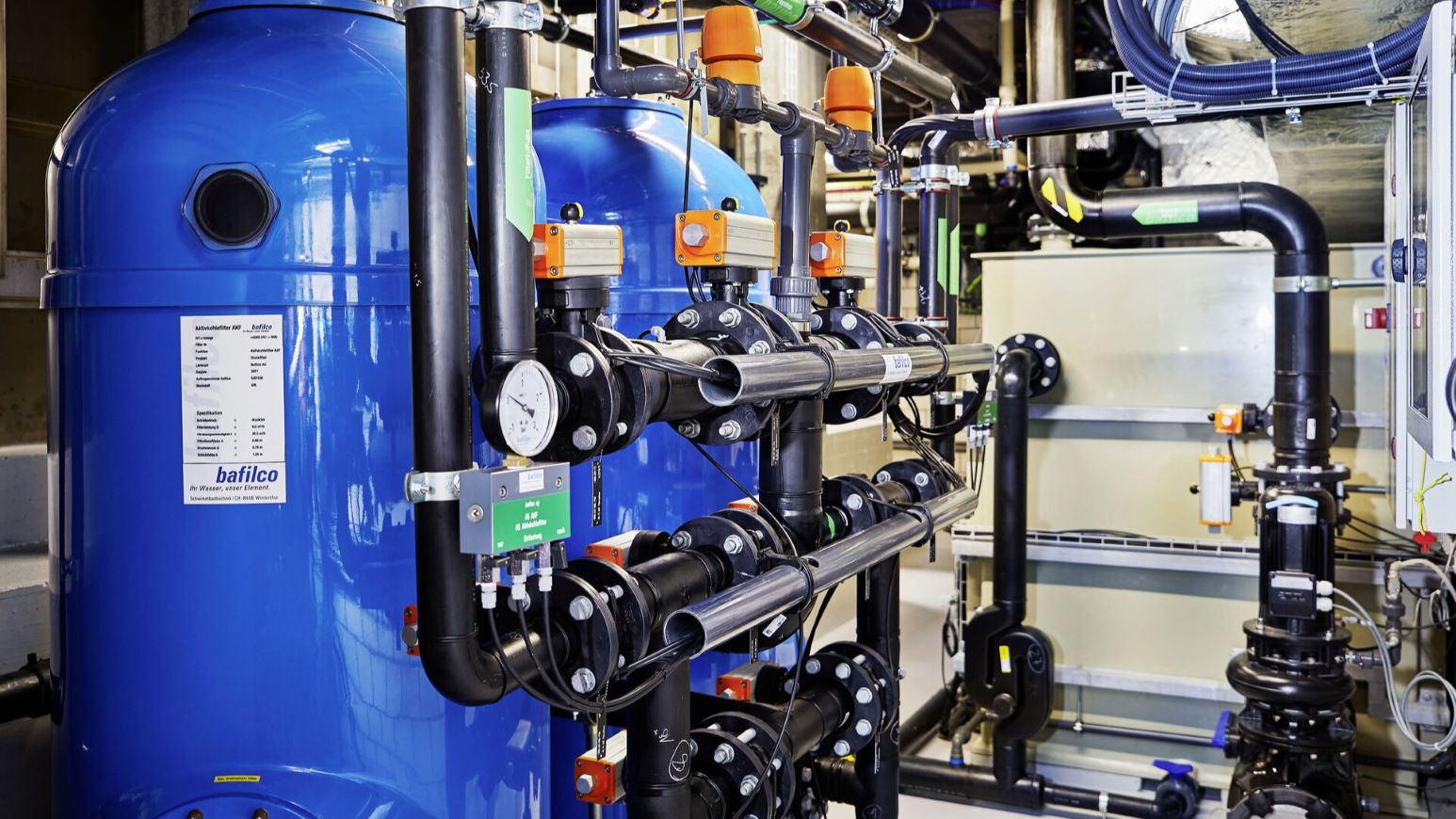
Chemical Process Piping
Corrosive media demands more than “stainless vs plastic.” We align body material + seal strategy + joining method to the actual chemical duty.
- Thermoplastics: CPVC, PP, PVDF for chemistry-first selection
- Lined options when temperature/pressure exceed plastic limits
- System thinking: pipe + valves + fittings + supports + containment
High-Purity & Clean Environments
High-purity systems are built around contamination control, repeatable joining, and clean routing. The spec needs to match both the process and the facility reality.
- Fusion / mechanical joining choices by cleanliness + access
- Routing strategy that protects maintenance and validation
- Documentation-ready selection logic for approvals and submittals
Compressed Air Piping
Air distribution is a hidden ROI lever: pressure drop, leaks, and corrosion drive energy cost and downtime. We support durable, efficient layouts and material choices.
- Layout and component strategy to reduce pressure drop
- Leak control mindset: isolation points + monitoring readiness
- Material choice to avoid rust and contamination issues
MATERIAL SELECTION
Material Selection for Aggressive Environments
The goal is simple: prevent mismatch failures. LibertyCES selects material and joining method based on chemical compatibility, temperature, pressure, permeability risk, and maintenance realities.
High-Purity Plastics (PVDF / PP / CPVC)
Built for chemical duty where corrosion punishes metals. Ideal for many acids, caustics, and clean service when specified within limits.
- PVDF: strong chemical resistance for aggressive duty
- PP: tough, widely used for chemical handling systems
- CPVC: common chemical-service option within temperature limits
Stainless Steel & Alloys
Ideal for many sanitary and high-temperature applications — but not a universal answer. Selection must consider corrosion mechanisms and real operating conditions.
- Pressure + temperature performance for demanding duty
- Traceability mindset for critical service
- Selection must consider corrosion risk in specific chemistries
Compressed Air Distribution
Compressed air is often your facility’s fourth utility. Piping choices impact pressure drop, leak rates, air quality, and long-term maintenance.
- Reduce pressure drop with smart routing + proper sizing
- Prevent contamination issues with corrosion-aware materials
- Add isolation points for fast maintenance and future expansion
SCHEDULE & RISK CONTROL
Custom Fabrication, Spooling & Build Strategy
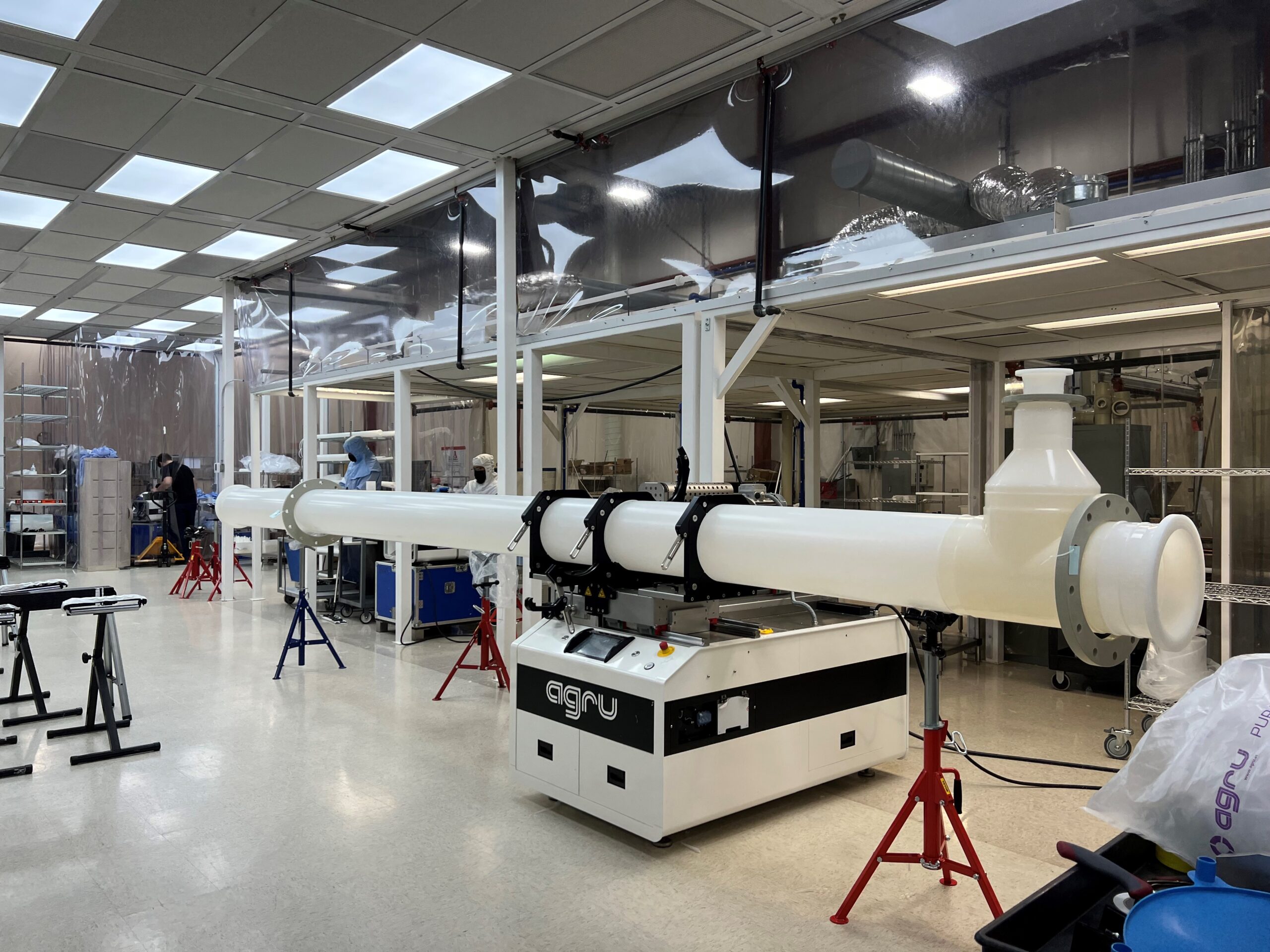
Field welding in a live plant is expensive and risky. Where the project allows, controlled fabrication and spool planning can reduce downtime exposure and improve build consistency.
Off-Site Spool Fabrication
Spooling means assembling pipe sections with repeatable work practices — reducing surprises during install.
- Parallel workstream: fabrication progresses while site is prepped
- More consistent workmanship than weather-driven field work
- Cleaner fit-up and faster tie-ins during shutdown windows
Connection Strategy
Selection isn’t only about chemistry. It’s also about maintenance access, vibration, thermal movement, and whether the plant can actually service the connection type.
- Flanged vs welded vs mechanical joins: chosen by duty + service access
- Support and hanger strategy to prevent stress and movement damage
- Isolation points placed intentionally, not randomly
LEAK PREVENTION & EARLY WARNING
Double Containment Piping & Leak Detection Pathways
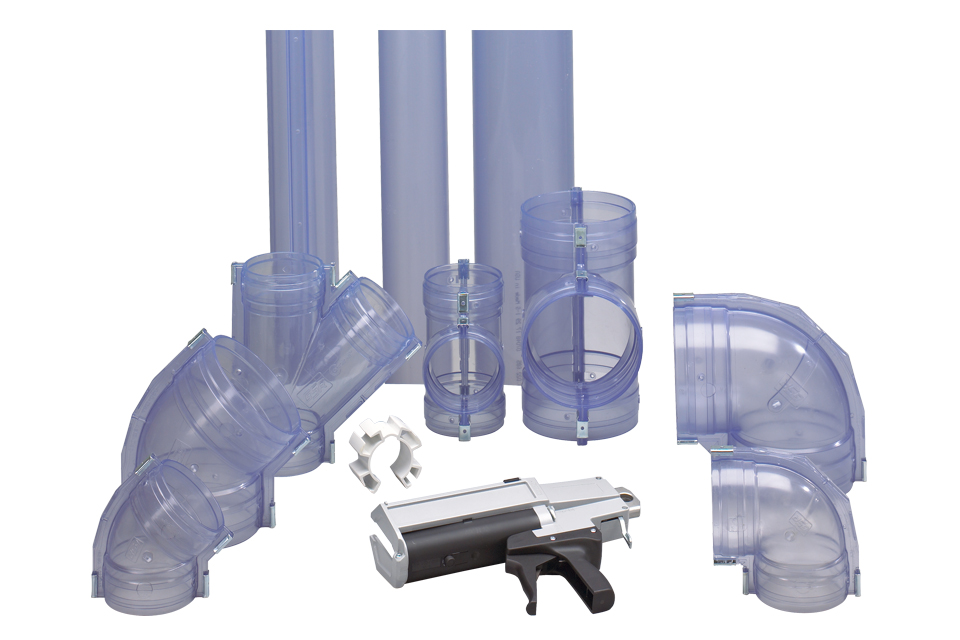
For hazardous chemicals, underground runs, or compliance-driven sites, double containment provides a second barrier plus a pathway to detect leaks before they become an incident.
What Double Containment Does
An inner carrier pipe holds the process media. An outer containment pipe provides secondary containment, with an interstitial space that can be monitored.
- Reduces soil and secondary impact risk for underground lines
- Supports monitoring strategies that help pinpoint leak events
- Pairs well with SCADA alarm workflows in critical sites
Leak Detection Approaches
Detection varies by application: visual inspection ports, sump monitoring, sensor cable strategies, or measured interstitial events depending on system type.
- Define what triggers an alarm before install
- Plan access points so maintenance can act fast
- Align detection to actual site response procedures
Where It’s Used Most
Double containment is common when leakage has consequences beyond cleanup — safety, compliance, and downtime.
- Underground chemical transfer
- Hazardous process areas and containment-required zones
- Remote sites where early detection prevents big damage
Want to Spec Containment the Right Way?
Send media, concentration, temperature, routing (aboveground/underground), and the consequence of leakage. We’ll recommend a containment approach and monitoring pathway that matches the risk.
ENGINEERING CHECKS
ASME B31.3 Lens + Selection Checks
B31.3 is the process piping framework engineers use for pressure design, materials, and inspection expectations. LibertyCES uses it as a selection lens so system choices match the duty and risk profile.
Pressure + Temperature Reality
Design pressure is more than normal operating. Systems must consider transients, thermal swings, and the real max conditions that show up during upset events.
- Define operating envelope: normal + upset
- Match pressure class and connection strategy
- Confirm material limitations at temperature
Material Compatibility + Permeation
Chemical service failures usually trace back to compatibility mismatch, permeation risk, or the wrong seal/elastomer selection for the media.
- Compatibility by chemical + concentration + temperature
- Seal and elastomer strategy, not an afterthought
- Consider permeation risk where it matters
Inspection + Documentation Readiness
The best specs are easy to approve: clear basis of design, clear connection strategy, and clear install expectations.
- Submittal-ready rationale: what and why
- Defined test expectations by service criticality
- Maintainability planned into routing and access
FEATURED SNIPPET STRUCTURE
The 8 Questions Engineers Ask Before They Spec Process Piping
Built for fast scanning: direct answer → selection logic → practical insight.
1) What is the difference between plumbing and process piping?
Plumbing supports occupancy and hygiene, while process piping supports manufacturing and chemical processing. Process piping is engineered around the process media, pressure and temperature demands, and safety risk — which typically requires stricter design and documentation discipline.
2) What is the best piping material for corrosive chemical plants?
The best material depends on the exact chemical, concentration, and temperature. Thermoplastics such as PVDF, PP, and CPVC often perform well in chemical duty, while lined or alloy systems may be needed when temperature or pressure exceed thermoplastic limits.
- Choose by chemical + concentration + temperature, not by habit
- Confirm seal and elastomer compatibility for the media
- Consider containment strategy when the consequence of leakage is high
3) Why does ASME B31.3 matter for industrial systems?
ASME B31.3 is a process piping framework used across industrial processing. It supports clear thinking about pressure design, material limits, connection strategy, inspection expectations, and safety risk so the system is engineered for real operating conditions.
4) Why use corrosion-resistant piping approaches for compressed air?
Compressed air performance is won or lost in pressure drop and leaks. Corrosion and internal roughness can increase pressure loss and contaminate downstream tools. Corrosion-resistant approaches and clean routing help maintain pressure stability and air quality.
- Lower pressure drop improves system efficiency
- Corrosion control helps protect tools and valves
- Isolation points simplify maintenance and future expansion
5) How do you detect leaks in underground industrial piping systems?
High-risk underground runs often use double containment with an interstitial space that can be monitored. Detection may be visual or sensor-based depending on system type and site requirements.
- Define detection method and alarm logic before installation
- Plan access so maintenance can respond quickly
- Match monitoring to the facility’s actual response plan
6) What are the benefits of off-site pipe spool fabrication?
Off-site spool fabrication reduces install uncertainty by assembling sections in a repeatable workflow. It often supports shorter shutdown windows and fewer fit-up surprises on site.
- More predictable build sequence
- Cleaner tie-ins during limited downtime windows
- Reduced on-site rework and field delays
7) When is seamless pipe preferred over welded pipe in industrial applications?
It depends on service criticality, pressure and temperature demands, and project requirements. Some critical applications prefer seamless pipe for mechanical performance and risk reduction, while other services can perform well with properly specified welded pipe.
- Define duty: pressure, temperature, media risk, and consequence of failure
- Align selection to project specs and inspection expectations
- Focus on the system design, not only one component choice
8) Why is insulation critical for process piping efficiency and safety?
Insulation supports process stability and personnel safety. It helps maintain temperature and reduces burn hazards on hot lines. Proper insulation can also reduce energy waste and help prevent freezing or viscosity-related process issues.
AUTHORITY LAYER
Meet James Riggins — Spec-Driven, Field-Proven Guidance
LibertyCES is built to prevent costly specification mistakes. We focus on the details that control outcomes: material compatibility, connection strategy, containment planning, and maintenance realities.
What You Get When You Ask for Guidance
- Clarity on material selection: chemical + temperature + pressure
- Connection strategy aligned to maintenance access and install conditions
- Containment and monitoring guidance for high-consequence lines
- Spec language that reads clean in submittals
- Media + concentration
- Temperature range
- Operating pressure + any upset/transient expectations
- Routing: aboveground / underground + containment expectations
- Drawings or a basic line list if available

