Aquatics: Pools, Aquariums, Water Parks & Zoo Life Support
Filtration, chlorine/ORP/dissolved-oxygen instrumentation, dosing pumps, and valves for commercial pools, public aquariums, water parks, and zoo aquatic life support — six real manufacturers who name aquatic service directly in their own product literature.
Aquatic facilities need NSF/ANSI 50 sand filters and strainers, chlorine, ORP and dissolved-oxygen instrumentation, pool controllers, valves and dosing pumps. The key spec risk is chlorine sensing: GF Signet’s 2630 electrode should not be used with cyanuric acid stabilizers, which are standard in most outdoor pools, so confirm water chemistry before specifying.
The GF Signet 2630 Chlorine Electrode Must Not Be Used With Cyanuric Acid Stabilizers
GF Signet's own application guidance states the 2630 amperometric free-chlorine electrode should not be used in water containing surfactants, oils, organic chlorine, or cyanuric acid stabilizers — and cyanuric acid is standard chemistry in most stabilized outdoor pools. This is exactly the kind of detail that gets missed at spec time and causes a chlorine sensor to read wrong in the field. Confirm your pool's actual water chemistry (stabilized vs. unstabilized) before a chlorine electrode is specified.
Real Aquatic-Named Manufacturers & Product Lines
Six independent vendors, each naming pool, aquarium, water park, or aquatic life-support service directly in their own product literature — the best-evidenced roster of any new sector in this project.


Aquatics Equipment FAQs
Why can't the GF Signet 2630 chlorine electrode be used in a standard outdoor pool?
GF Signet's own application guidance for the 2630 amperometric chlorine electrode states it should not be used in water containing surfactants, oils, organic chlorine, or cyanuric acid stabilizers — and cyanuric acid (used to stabilize chlorine against UV breakdown) is standard chemistry in most outdoor pools. This is a real, easy-to-miss selection detail: an outdoor pool with stabilized chlorine needs a different chlorine-measurement approach than the 2630, and it is exactly the kind of caveat LibertyCES confirms before a sensor gets specified rather than after it fails in the field.
What certification should an aquatic sand filter carry?
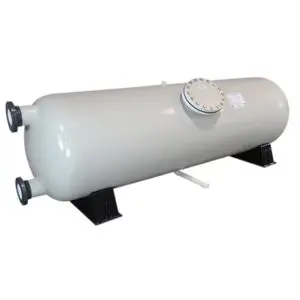
NSF/ANSI Standard 50 is the recognized aquatic and recreational-water filtration standard. Fluidtrol's High Rate Sand Filters (Style A/B/C and Vertical) are certified to it, rated 50 psi at a 5-20 GPM/ft² flow rate — that certification is a real, checkable spec line, not a marketing claim.
Is there dedicated instrumentation for monitoring air quality in an indoor pool facility, not just water chemistry?
Yes — ProMinent's DULCOMETER AirGuard is a dedicated trichloramine air monitor built specifically for swimming pool halls, measuring 0.00-2.00 mg/m³. Trichloramine buildup in indoor pool air (the source of the characteristic "chlorine smell") is a distinct problem from water-chemistry dosing, and AirGuard is the one product in this roster built to monitor it directly.
What is the difference between the ProMinent DULCOPOOL and DULCOMARIN 3 controllers?
DULCOPOOL is sized for a single private pool, with two integrated peristaltic pumps handling pH and chlorine dosing directly. DULCOMARIN 3 is the multi-pool platform, managing up to 16 filter circuits from one touch-display controller — the real selection line is single-pool vs. multi-circuit commercial/aquatic-facility scale. DULCOPOOL Pro sits between them for a single higher-stakes pool (private/hotel/Olympic grade) that still needs web/SmartHome/PLC integration and a wider measured-parameter set (pH, ORP, free chlorine, total chlorine, bromine, ozone, hydrogen peroxide).
Specifying filtration, dosing, or instrumentation for an aquatic facility?
Send LibertyCES your pool/aquarium volume, water chemistry (stabilized or unstabilized), filter circuit count, and current equipment — we'll confirm the right manufacturer and configuration before you spec a model.
Ready to buy or need a fast answer? Call, text, or email James directly — (559) 395-5500 · [email protected].
Send James your spec
Fluid, concentration, temperature, flow or volume, and where it goes. James replies with a real answer, not a catalog page.
Reviewed by James Riggins, 30+ years specifying water and chemical process equipment · Updated